Mideast Tensions Push Oil Prices Toward $100 Mark
Oil prices rose on April 9, 2026, with Brent near $100 as Middle East tensions and ceasefire doubts lifted supply-risk premiums.
Atlas Newsdesk ·
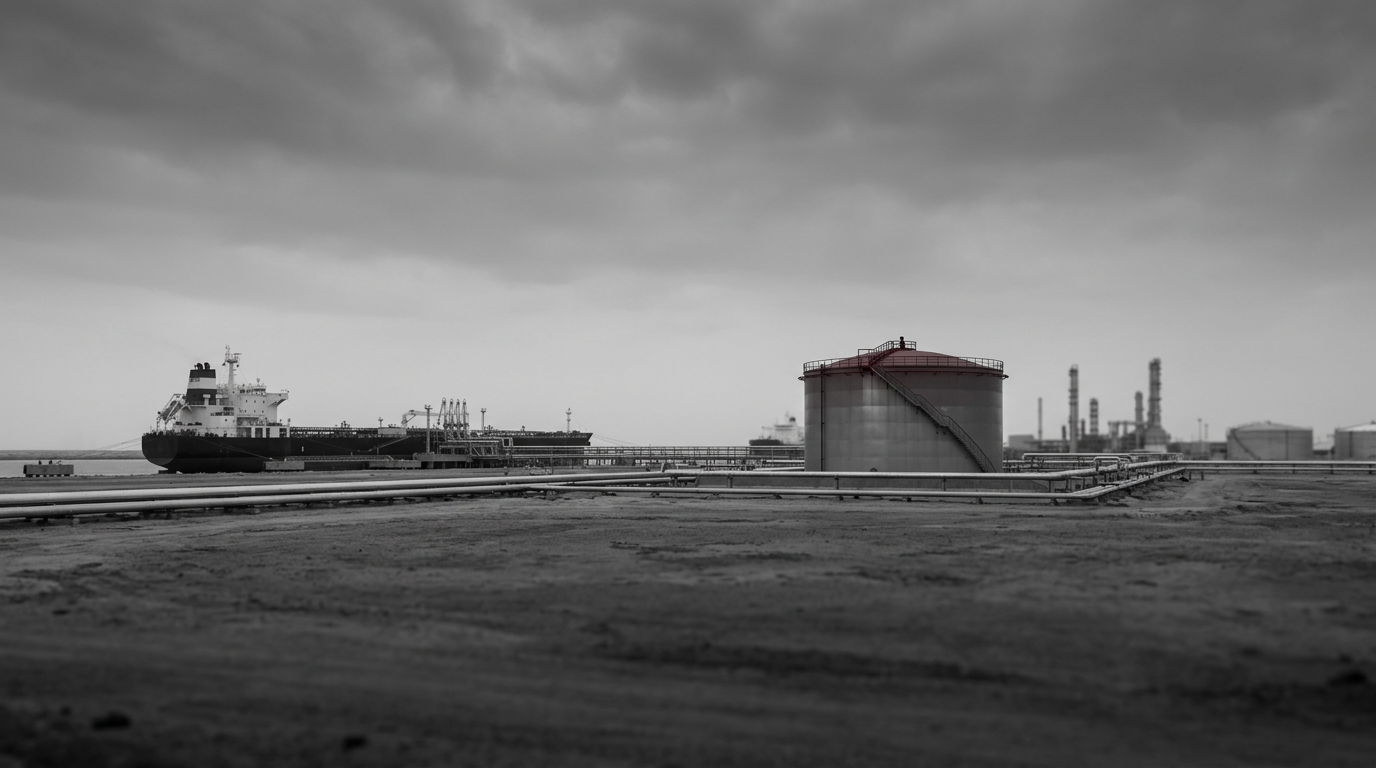
Global oil prices moved higher on Tuesday, April 9, 2026, as traders reacted to escalating tensions in the Middle East and the growing risk of supply disruption in a region central to global energy flows. Brent crude futures, the main international benchmark, climbed toward the $100-per-barrel level, reflecting a rise in the geopolitical risk premium built into prices.
Brent crude was up by about 1.5% at $99.85 per barrel. In the United States, West Texas Intermediate (WTI) crude also gained by roughly 1.5%, trading at $95.60 per barrel. The parallel move in both benchmarks signaled broad-based market repricing rather than a localized shift in one trading hub.
Officials and reports cited Israeli strikes in central Beirut that killed at least 182 individuals as a key immediate catalyst for the day’s price action. Iran subsequently warned of “explicit costs and strong responses” if Israeli attacks in Lebanon continue. These developments added to investor concerns that the conflict could widen or intensify, increasing the perceived probability of disruptions to oil production or transport routes linked to the Middle East.
At the same time, doubts about the effectiveness of a potential ceasefire between the United States and Iran contributed to volatility. The uncertainty around whether diplomatic efforts can hold has been a central factor in market sentiment, with traders weighing the possibility that a breakdown could worsen regional conflict dynamics. Market participants have treated the combination of military escalation and fragile diplomacy as a direct risk to supply reliability in an oil-rich area.
What happened is a repricing of risk: oil rose as investors adjusted expectations for uninterrupted supply from the Middle East. What it means is that energy costs can become more sensitive to headlines when geopolitical uncertainty increases, especially when events involve major regional actors and key transit corridors. The move toward $100 Brent underscored how quickly prices can respond when traders perceive higher odds of disruption.
Key unknowns remain, including whether the reported strikes and warnings lead to further escalation, and whether the U.S.-Iran ceasefire discussions produce a durable outcome. With these questions unresolved, price swings may continue as markets reassess risk in real time. For now, the day’s gains reflected heightened concern about stability in the region and the potential consequences for global oil supply.