NY02:09
    LDN07:09
    HKG14:09
    TYO15:09
    Gold4,510-0.27%
    Bitcoin77,370-0.42%
    Gold4,510-0.3%
    Bitcoin77,370-0.4%
    LATEST NEWS
    New York Giants give GM Joe Schoen multi-year extension as John Harbaugh arrives2 minutesNew York Giants set to extend GM Joe Schoen with multiyear deal3 minutesRams confirm Matthew Stafford extension; sources value deal at $55M3 minutesTrump's "Anti-Woke" Crusade: A New Culture War Front4 minutesPolice Call for Ban on Unsafe Online Platforms5 minutesStellantis Shifts Gears: $70 Billion Overhaul Revealed5 minutesBears say Chicago options exhausted, focus on Arlington Heights and Hammond5 minutesBears rule out Chicago sites, focus on Arlington Heights or Hammond5 minutesAlberta to Vote on Canadian Unity6 minutesUS Halts Taiwan Arms Deal6 minutesStellantis Plans Seven Sub-$40,000 Models by 2030about 4 hoursNew York Giants give GM Joe Schoen multi-year extension as John Harbaugh arrives2 minutesNew York Giants set to extend GM Joe Schoen with multiyear deal3 minutesRams confirm Matthew Stafford extension; sources value deal at $55M3 minutesTrump's "Anti-Woke" Crusade: A New Culture War Front4 minutesPolice Call for Ban on Unsafe Online Platforms5 minutesStellantis Shifts Gears: $70 Billion Overhaul Revealed5 minutesBears say Chicago options exhausted, focus on Arlington Heights and Hammond5 minutesBears rule out Chicago sites, focus on Arlington Heights or Hammond5 minutesAlberta to Vote on Canadian Unity6 minutesUS Halts Taiwan Arms Deal6 minutesStellantis Plans Seven Sub-$40,000 Models by 2030about 4 hours
    Markets

    Oil Surges as Strait of Hormuz Tensions Mount

    Crude oil futures jumped, with WTI up 5.23% to $99.35, as a fragile cease-fire and Strait of Hormuz risks lifted supply fears.

    Published9 Apr 2026, 22:30:49
    Oil Surges as Strait of Hormuz Tensions Mount
    A360
    Key Takeaways✦ Atlas AI
    01

    Crude oil futures surged over 5% to $99.35, driven by geopolitical tensions like a fragile cease-fire and Strait of Hormuz risks, signaling heightened market sensitivity to supply disruption threats.

    02

    This significant price increase, up 70.12% in three months, underscores how regional instability directly impacts global energy supply chains and fuels inflationary pressures for policymakers.

    03

    The sustained upward trend and potential for continued volatility mean financial professionals must consider geopolitical developments' implications for commodity investments and broader economic stability.

    Atlas AI

    Atlas AI

    Crude oil WTI front month futures climbed 5.23% to $99.35 USD, extending a sharp upswing that has been marked by heavy volatility. The move comes as traders react to geopolitical stress points that have raised concerns about potential interruptions to global supply flows.


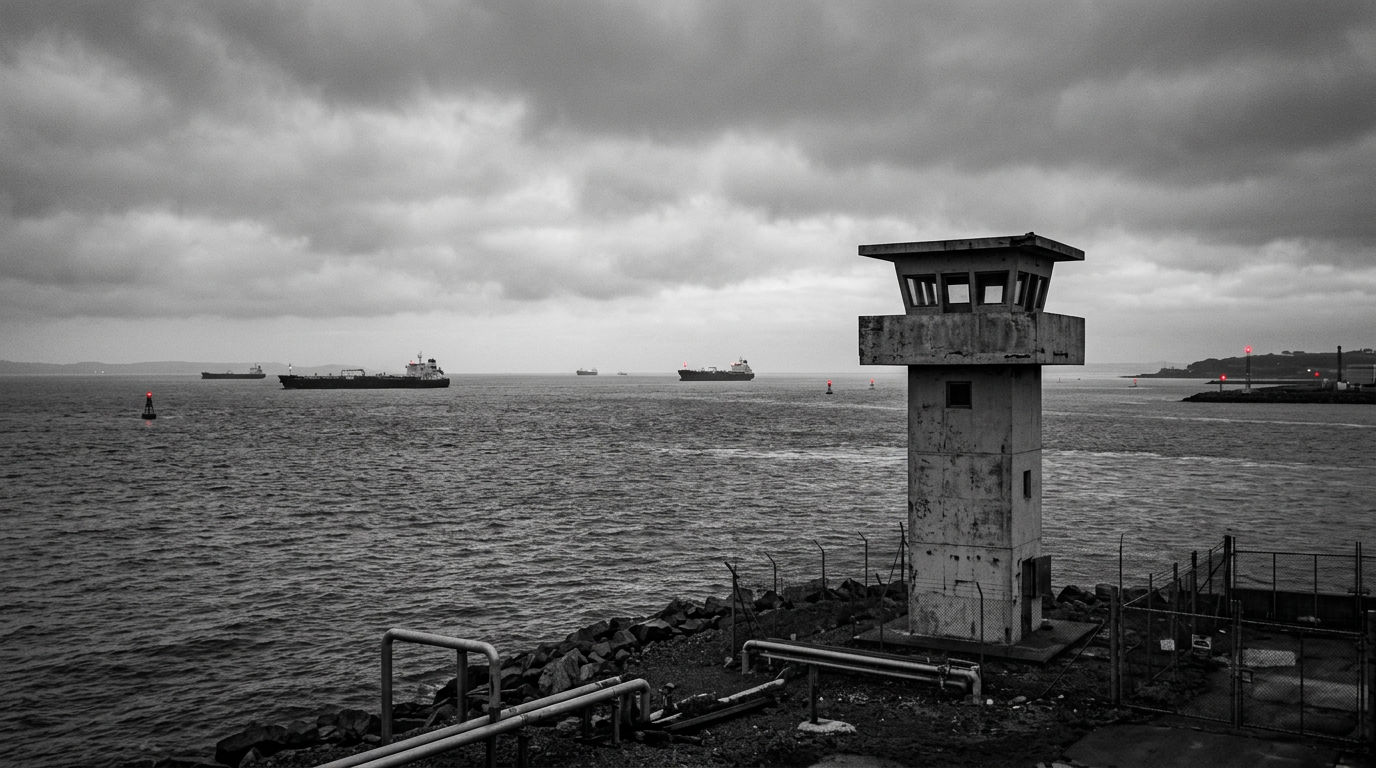
    Officials and market participants have pointed to a fragile cease-fire and heightened risks around the Strait of Hormuz as key drivers behind the latest price jump. The Strait of Hormuz is a critical route for energy shipments, and any perceived threat to transit has amplified fears of supply disruption. Those concerns have fed directly into futures pricing, underscoring how quickly risk sentiment can shift in energy markets.


    ATLAS SIGNALGeopolitics, Energy Markets, Global EconomyHigh1–3 months
    42d

    Geopolitical Instability in the Middle East Threatens Global Energy Supply and Economic Stability

    Escalating conflict in the Middle East, particularly involving Iran and the Strait of Hormuz, has led to significant damage to energy infrastructure and heightened fears of prolonged disruptions to global oil and gas supplies. This geopolitical instability is directly impacting international energy markets, driving up prices, and creating inflationary pressures worldwide, complicating monetary policy decisions for central banks.

    180 stories
    View Issue

    The recent surge follows a wide trading range over the past year. WTI reached a 52-week high of $119.48 in March 2026 and fell to a 52-week low of $54.98 in December 2025, highlighting the scale of recent swings. With prices now near $100, the market is again reflecting a higher premium for geopolitical uncertainty.


    Momentum has been especially pronounced in the near term. Over the past three months, crude oil prices rose 70.12%, and they are up 73.05% year-to-date. The scale and speed of these gains indicate strong sensitivity to regional instability and the perceived vulnerability of energy supply chains tied to the Middle East.


    For policymakers, sustained increases in oil prices can add to inflationary pressures by lifting transportation and input costs across the economy. Higher crude prices can also complicate national energy security planning, particularly for countries that rely heavily on imported oil and refined products. The combination of elevated prices and geopolitical uncertainty can force difficult trade-offs between managing consumer costs and maintaining strategic reserves.


    For financial professionals, the latest move reinforces the potential for continued volatility in commodity-linked exposures. Rapid price changes can affect hedging costs, margin requirements, and risk management decisions across energy producers, airlines, shipping, and other fuel-intensive sectors. Broader market stability can also be tested when energy prices move sharply, given oil’s role as a key input across global supply chains.


    Key uncertainties remain centered on how geopolitical developments evolve and whether risks in the Strait of Hormuz intensify or ease. With the cease-fire described as fragile, the market’s risk premium could shift quickly in either direction, keeping price action highly reactive to headlines and perceived supply threats.


    Share

    Related Articles

    Atlas360

    Sign up for Atlas Daily

    The daily global news briefing you can trust.

    every weekday·Read it now

    or
    Sign in

    Already subscribed? Sign in and we won't show you this message again.