GB Energy Boss: North Sea Output Crucial
GB Energy head Jürgen Maier urged more North Sea oil and gas via existing assets, as UK energy costs stay in focus and prices remain global.
Atlas Newsdesk ·
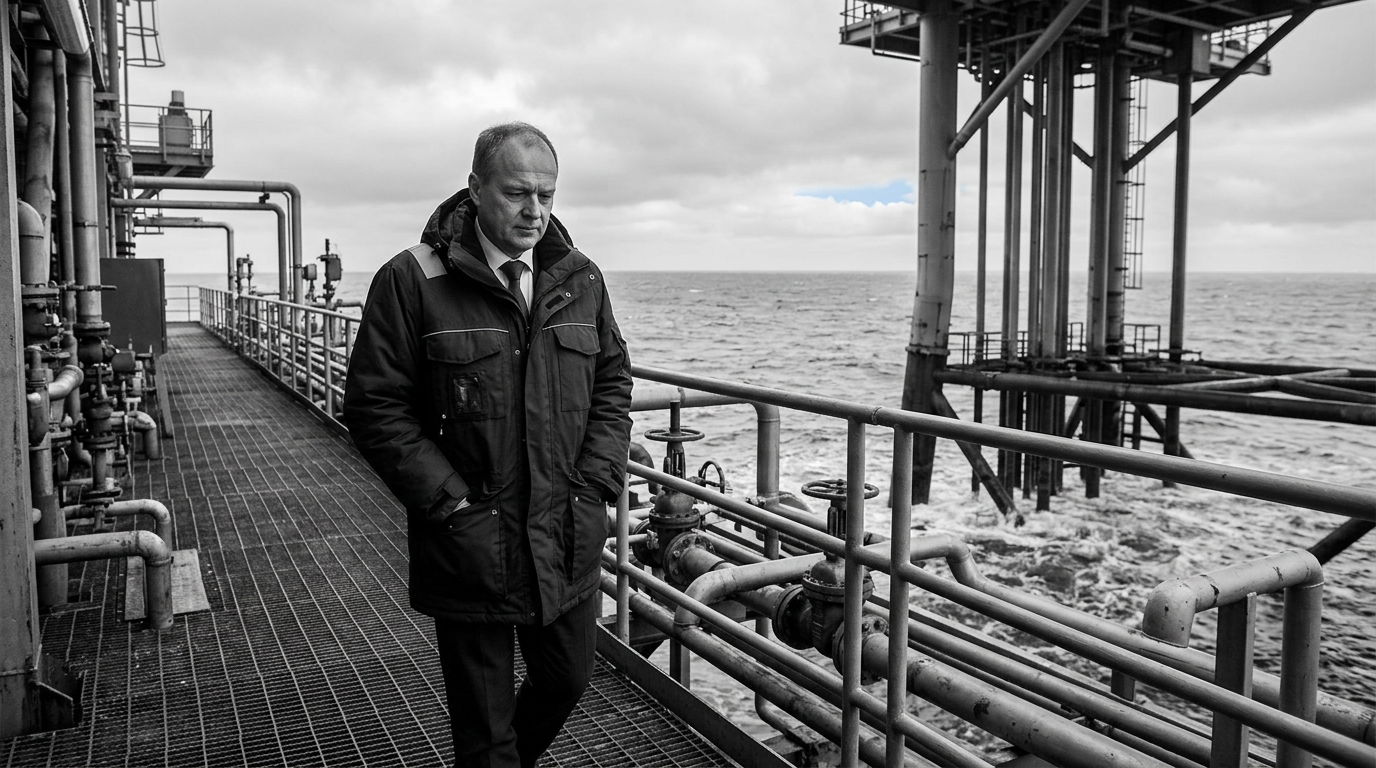
Jürgen Maier, who leads GB Energy, has publicly argued that the UK should lift oil and gas production from the North Sea, framing it as an economic and energy-security measure during a period of heightened concern about household and business energy costs.
In a post on LinkedIn, Maier said higher domestic output could support employment and increase tax receipts. The post’s date was not provided in the available material.
What Maier is proposing
Maier presented his position as compatible with a “managed” shift in the energy system. He drew a line between using existing resources and expanding the sector through new exploration.
Specifically, he pointed to continued development of current fields and the use of “tiebacks,” a method that connects new wells to existing infrastructure, rather than issuing fresh exploration licences. The source material does not include technical or financial details on which projects he believes should be prioritised.
Broader industry alignment
Maier’s comments align with similar arguments made by other senior figures associated with the UK’s clean-energy sector. The source material cites Octopus Energy chief executive Greg Jackson and RenewableUK chief executive Tara Singh as having expressed comparable views.
The shared theme is a pragmatic approach to energy security: producing more energy domestically across multiple sources, including oil and gas, to reduce exposure to international supply and price swings. This argument is presented as a response to volatility that has been intensified by global events, including conflict in the Middle East.
Government position and the policy tension
The UK government’s stated view, as described in the source material, is that granting new exploration licences does not automatically translate into stronger energy security or cheaper bills. It has emphasised that consumer prices are set by international markets rather than solely by domestic production levels.
This creates a central tension for policymakers and investors: advocates of higher North Sea output argue it can improve resilience and public finances, while the government stresses that global pricing limits the direct impact on bills. The source material does not provide any quantified estimate of the potential jobs or tax gains discussed by Maier.
Projects in focus: Rosebank and Jackdaw
Senior industry figures, according to the source material, expect approvals for the Rosebank and Jackdaw fields. They also anticipate that production could begin by the end of the year.
The same material notes that these developments are expected to face criticism from environmental groups. No specific organisations, statements, or timelines for such responses were included.