India Boosts China Intelligence Amid Rising Tensions
India has significantly escalated its intelligence operations targeting China since 2020, utilizing space, drone, and cyber capabilities, raising diplomatic…
Lauren Collins ·
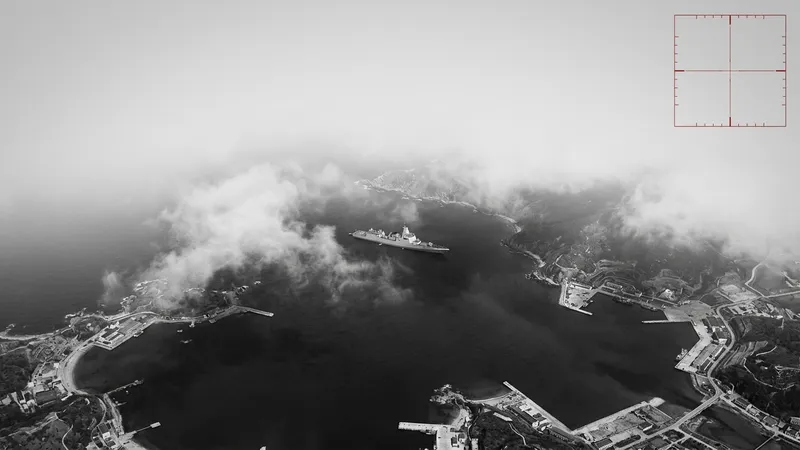
India has substantially intensified its intelligence-gathering efforts directed at China, incorporating advanced capabilities such as space-based reconnaissance, drone surveillance, and cyber intelligence. This strategic enhancement began following the 2020 border conflict in the Galwan Valley, prompting a heightened focus on Beijing's political, economic, and naval activities across South Asia and the broader Indian Ocean region.
This expansion of intelligence activities underscores a growing strategic pivot in India's regional security posture. The move is seen as a long-term development that complicates diplomatic endeavors aimed at managing regional competition, according to researcher Zhao Ruoxi from Macau University of Science and Technology. The threshold for state-level responses to perceived provocations has effectively lowered since the 2020 events.
Evolving Threat Perceptions
Analysts suggest that interpreting routine Chinese activities as direct national security threats increases the potential for miscalculation between the two nuclear-armed nations. This elevated threat perception could lead New Delhi to implement unilateral countermeasures, which might destabilize bilateral relations. A research paper by a Chinese academic noted that India is more inclined to take such actions as its perception of threats intensifies.
The intelligence expansion also encompasses a close watch on China's focus and advancements in emerging technologies. This proactive approach aims to monitor potential dual-use developments that could have strategic implications for regional stability. The broader context includes an ongoing competition for influence and resources throughout Asia.
Diplomatic Challenges and Escalation Risks
The heightened intelligence activities and the associated rise in threat perceptions pose considerable challenges to diplomatic initiatives designed to de-escalate tensions. Should India continue to view a wider spectrum of Chinese activities as direct threats, future bilateral engagements could become increasingly contentious, thereby limiting avenues for peaceful resolution.
The risk of unintended escalation between India and China remains a significant concern for international observers. Both countries have a history of border disputes and geopolitical competition, making any increase in perceived threats a sensitive issue. The lack of robust crisis management mechanisms further amplifies these risks, emphasizing the need for cautious diplomacy and transparent communication.
The strategic shift reflects India's evolving approach to managing its complex relationship with China, characterized by both economic ties and persistent geopolitical rivalry. This sustained intelligence effort signifies a foundational change in how New Delhi plans to secure its interests in a dynamic regional environment.