Europe, Asia Compete for Global Energy Supplies
Europe and Asia are competing for global oil and gas supplies in March 2026, driven by Middle East instability, leading to rising energy prices.
Lauren Collins ·
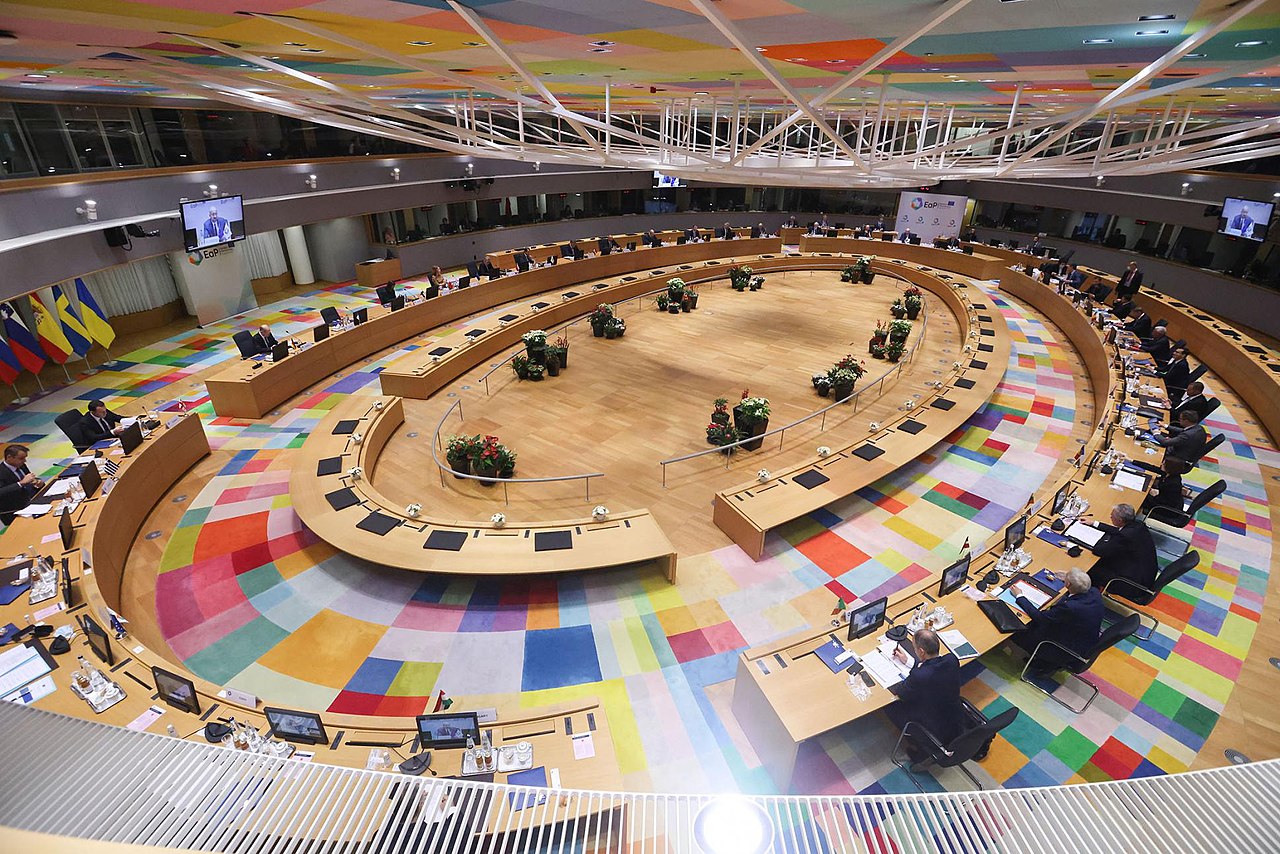
European nations are experiencing heightened competition with Asian markets for global oil and natural gas resources. This dynamic, evident in March 2026, is a direct consequence of geopolitical instability in the Middle East, which has tightened global energy supplies. The increased demand from both continents is contributing to a significant upward trend in energy prices worldwide.
Global Energy Market Dynamics
Impact on European Policy
Geopolitical Ramifications
Economic Consequences
Strategic Considerations
Implications
Country Impact: European countries face increased energy costs and potential economic slowdowns, complicating their geopolitical strategies and relationships with energy suppliers. Asian nations are also contending with higher prices, impacting their industrial sectors and consumer spending.
Industry Impact: The energy sector is experiencing significant price volatility and increased demand, benefiting producers but challenging energy-intensive industries. Renewable energy development may see accelerated investment as countries seek long-term energy security.
Market Impact: Global oil and gas markets are seeing upward price pressure, affecting commodity futures and inflation expectations. Equity markets may react to corporate earnings impacts from higher energy costs, while bond markets could reflect increased inflation risk.