El Salvador's State of Emergency Continues
El Salvador's state of emergency cut crime but raised rights concerns, keeping President Bukele highly approved.
Lauren Collins ·
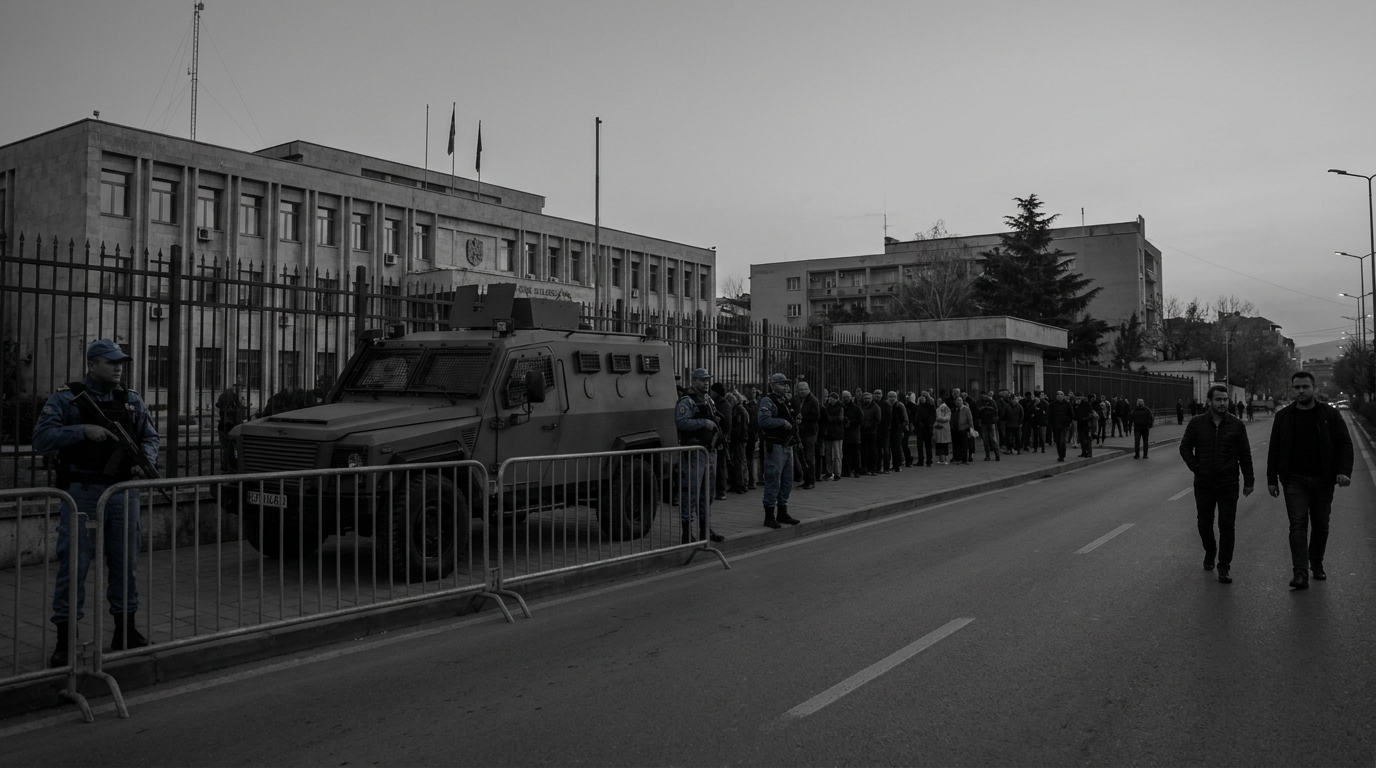
El Salvador Extends Emergency Powers Amid High Approval El Salvador's state of emergency, initiated in March 2022, remains in effect as of May 2026, marking its fourth year. This measure, implemented by President Nayib Bukele following a surge in gang violence that resulted in 87 deaths over a single weekend, has led to the suspension of constitutional rights and the indefinite detention of suspected gang members. Approximately 1.9 percent of the Salvadoran population, or one in 50 individuals, is currently incarcerated, establishing the country's imprisonment rate as the highest globally.
The government's crackdown has significantly reduced the murder rate, transforming El Salvador from the Western Hemisphere's most violent nation to one of its safest. This outcome has garnered substantial public support for President Bukele, with an opinion poll in January indicating a 92 percent approval rating. However, human rights organizations and legal studies have raised concerns about potential crimes against humanity due to mass arrests, which Bukele acknowledges have included thousands of innocent civilians.
Critics also point to the abolition of presidential term limits and the reported intimidation of journalists and civil society members. Despite these criticisms, Bukele's approach has resonated across Latin America, where citizens in other nations are increasingly advocating for similar stringent measures against crime. The long-term implications of these policies on El Salvador's democratic institutions and human rights landscape continue to be a subject of international scrutiny.