Trump Nominates Mullin for Homeland Security Secretary
Donald Trump nominated Senator Markwayne Mullin for Homeland Security Secretary, signaling a potential shift to conservative immigration policies.
Lauren Collins ·
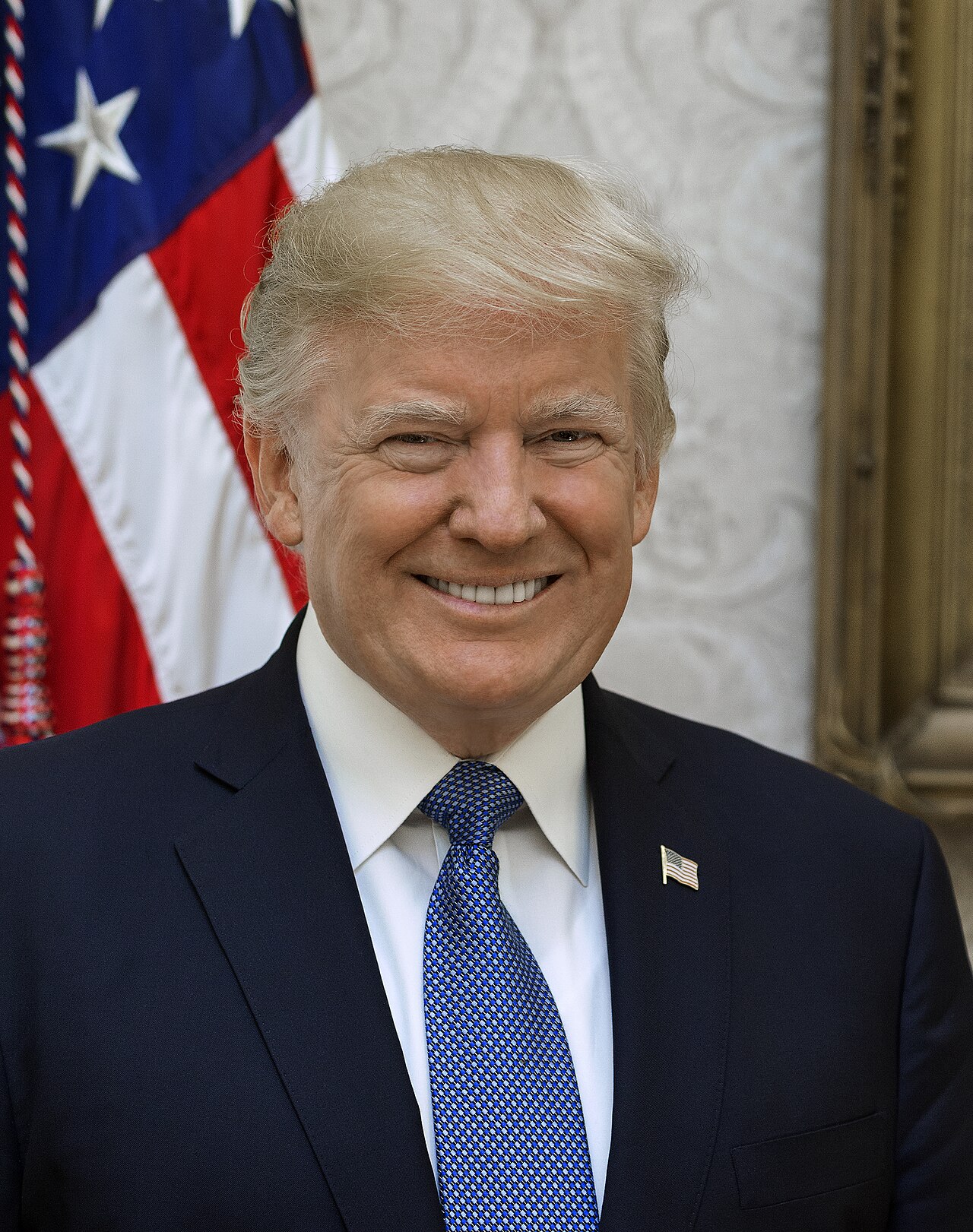
Former President Donald Trump has put forward Senator Markwayne Mullin (R-Oklahoma) as his choice for the next Secretary of Homeland Security. This nomination, announced last week, positions Mullin to potentially lead the department responsible for critical national security functions, including border protection and immigration enforcement. Mullin, a Republican who began his Senate term in 2023, is known for his conservative views on immigration policy.
The Department of Homeland Security (DHS) has been operating without full congressional funding since February 14, 2026, a situation stemming from legislative disputes over immigration enforcement strategies. The incoming Secretary will face the immediate challenge of navigating these budgetary constraints while managing the agency's broad mandate, which also encompasses cybersecurity and disaster response.
Mullin's Policy Stance and Background
Senator Mullin's public statements and legislative record indicate a strong alignment with the previous administration's approach to border security. He has previously voiced skepticism regarding the principle of birthright citizenship, a key tenet of U.S. immigration law. Additionally, Mullin has supported stricter penalties for individuals who resist law enforcement efforts.
His nomination follows the departure of Kristi Noem, the previous Secretary. Mullin's confirmation hearings are scheduled to begin next Wednesday, where he will face scrutiny from members of the Senate Homeland Security and Governmental Affairs Committee.
Congressional Reaction and Departmental Challenges
Democratic lawmakers have acknowledged Mullin's nomination, with some indicating that they do not anticipate a significant shift in the department's policy direction under his leadership. This perspective is largely based on Mullin's consistent support for the former President's hardline immigration policies.
The DHS, established in 2002 following the September 11 attacks, is a vast federal agency with over 240,000 employees. It oversees agencies such as Customs and Border Protection (CBP), Immigration and Customs Enforcement (ICE), the Transportation Security Administration (TSA), and the Federal Emergency Management Agency (FEMA).
The department's operational practices, particularly concerning border management and immigration, have frequently been subjects of intense political debate and public scrutiny.
Outlook for Confirmation and Policy Implementation
Should Mullin be confirmed, he would inherit an agency grappling with ongoing challenges, including managing migrant flows at the southern border, addressing cybersecurity threats, and responding to natural disasters. His tenure would likely see a renewed emphasis on enforcement-centric immigration policies, consistent with the platform of the nominating administration.
The confirmation process will offer a platform for a comprehensive review of his qualifications and policy positions, setting the stage for the department's direction in the coming years.
Implications
Country Impact: The nomination signals a potential continuation of conservative immigration policies, impacting border security operations and the treatment of undocumented immigrants across the United States. It could also intensify political divisions over federal funding for immigration enforcement.
Industry Impact: Industries reliant on cross-border trade and labor, particularly agriculture and construction, may face increased scrutiny and potential disruptions due to stricter enforcement measures. Technology sectors involved in border surveillance and security solutions could see increased demand.
Market Impact: Financial markets may react to policy shifts affecting labor supply or trade, though the direct market impact of a DHS Secretary nomination is typically limited. Companies with significant operations near the U.S. border or those involved in federal contracts for security services might experience indirect effects.