Trump's Iran Uprising Call Recalls 1991 Iraq Events
Donald Trump's call for an Iranian uprising, without military backing, echoes George H.W. Bush's 1991 appeal to Iraqis.
Lauren Collins ·
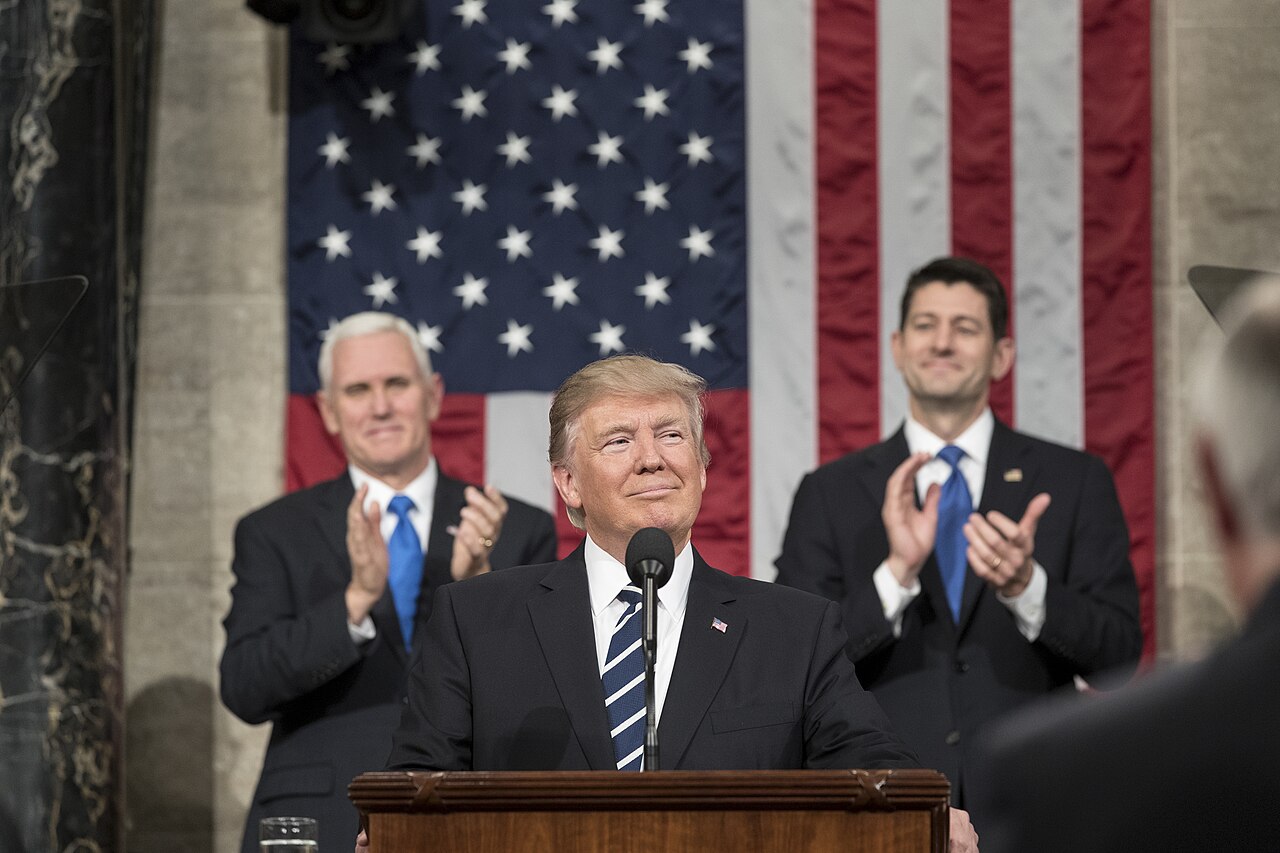
Former U.S. President Donald Trump recently urged the Iranian populace to initiate an uprising against their government. This call, made without explicit commitments of direct military intervention, has drawn comparisons to a similar appeal made by former President George H.W. Bush in 1991 concerning Iraq.
In February 1991, following the expulsion of Iraqi forces from Kuwait during Operation Desert Storm, President Bush publicly encouraged the Iraqi military and its citizens to depose Saddam Hussein. This statement was interpreted by some as a signal of U.S. support for internal rebellion.
Historical Precedent in Iraq
Subsequently, significant revolts erupted within Iraq. Shia communities in the southern regions and Kurdish populations in the north rose against Hussein's regime. These uprisings were fueled by the belief that the United States would provide assistance.
However, despite the initial encouragement, the United States and its coalition allies did not intervene militarily to support these internal rebellions. This lack of intervention allowed Saddam Hussein's forces, which had retained their helicopter fleet under the ceasefire terms, to launch a brutal counter-offensive.
Consequences of Non-Intervention
The suppression of these revolts led to the deaths of thousands of Kurdish and Shia Muslims. The resulting humanitarian crisis, particularly in the Kurdish northern areas, eventually necessitated international intervention to provide aid to refugees and establish safe zones.
This historical episode underscores the potential ramifications of calls for internal regime change when not accompanied by a clear commitment to direct military backing. The events of 1991 contributed to prolonged regional instability, including the establishment of no-fly zones over Iraq and, ultimately, the 2003 invasion.
Regional Geopolitical Impact
The 2003 invasion, which led to the overthrow of Saddam Hussein, inadvertently altered the regional power balance. By removing a significant adversary, it is argued that Iran's influence in the Middle East was subsequently strengthened.
Analysts suggest that such historical parallels serve as a cautionary tale regarding the complexities of international relations and the unintended consequences of foreign policy statements. The current situation in Iran, characterized by internal dissent and external pressure, presents a delicate geopolitical landscape.
Implications
Country Impact: Such calls for internal uprising, if not backed by concrete support, can lead to severe humanitarian crises within the targeted country, potentially destabilizing internal political structures and increasing civilian casualties.
Industry Impact: Geopolitical instability resulting from external calls for regime change can disrupt energy markets, particularly in the Middle East, and impact global supply chains, leading to increased volatility in commodity prices.
Market Impact: Uncertainty surrounding potential military interventions or regime changes can trigger risk-off sentiment in global financial markets, affecting equity valuations, bond yields, and currency exchange rates, especially for assets tied to the region.