Iraq Rejects Regional Launchpad Role Amid Strikes
Iraqi PM al-Sudani told the U.S. that Iraq must not be a regional launchpad, following strikes on PMF and U.S. bases on March 10, 2026.
Lauren Collins ·
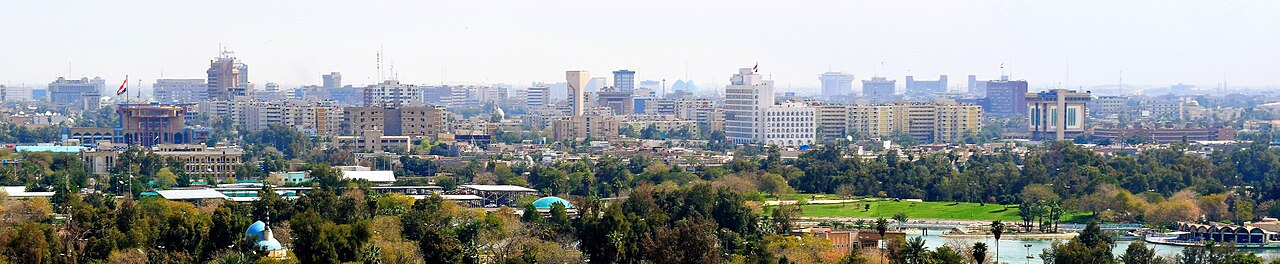
Iraqi Prime Minister Mohammed Shia al-Sudani recently conveyed to U.S. Secretary of State Marco Rubio that Iraq's territory must not be utilized as a staging ground for regional military operations. This diplomatic exchange on March 10, 2026, followed a series of attacks across Iraq, highlighting the nation's precarious position amidst escalating Middle East tensions.
Multiple incidents preceded this statement, including a strike in Kirkuk province that resulted in four fatalities and 12 injuries among members of the Iran-backed Kataib Imam Ali group, part of the Popular Mobilisation Forces (PMF). While Iraqi authorities confirmed the casualties, they did not identify the perpetrators of this specific attack. S. facility located in Iraq's Kurdistan region, on the same day.
Escalating Regional Tensions
These events underscore Iraq's deepening entanglement in broader Middle Eastern conflicts. The nation's territory has become a frequent target for various factions, with attacks impacting both PMF bases and installations housing U.S. military personnel. The pattern of aggression extends beyond these specific incidents, encompassing drone and rocket assaults on critical infrastructure, such as Baghdad International Airport and oil facilities.
On March 9, 2026, just prior to the Prime Minister's statement, two drones were intercepted near a military base, further illustrating the persistent security challenges. The Iraqi government has consistently voiced concerns over these violations of its sovereignty and airspace.
Sovereignty and Non-Alignment Stance
Prime Minister al-Sudani explicitly rejected any attempts to draw Iraq into ongoing regional conflicts. He emphasized the imperative of safeguarding Iraqi airspace, territory, and territorial waters from being exploited for military actions directed at neighboring states or the wider region. This stance reflects Iraq's long-standing policy of attempting to maintain neutrality amidst regional power struggles.
Furthermore, the Prime Minister condemned all violations of Iraqi airspace, irrespective of the party responsible. This condemnation was echoed by the Kurdistan Regional Government, which also denounced a drone attack near the UAE Consulate in Erbil. Kurdish security sources suggested that this particular drone strike might have been aimed at the U.S. Consulate in the city, indicating a broader pattern of targeting diplomatic and military assets.
International Implications
The repeated use of Iraqi territory for such operations poses significant challenges to regional stability and international relations. The presence of various armed groups, coupled with the strategic interests of global powers, creates a complex security environment. Iraq's efforts to assert its sovereignty and prevent its territory from becoming a battleground are crucial for de-escalation.
These incidents highlight the delicate balance Iraq must maintain between its internal security concerns and the external pressures from regional and international actors. The ongoing dialogue with international partners, such as the United States, is vital in navigating these complex geopolitical dynamics and reinforcing Iraq's commitment to regional peace.
Implications
Country Impact: Iraq faces heightened internal security challenges and risks further destabilization as its territory becomes a proxy battleground. The government's ability to assert sovereignty and prevent external interference is crucial for its stability.
Industry Impact: The energy sector, particularly oil facilities, remains vulnerable to attacks, potentially disrupting production and supply chains. Increased regional instability could deter foreign investment in critical Iraqi industries.
Market Impact: Global energy markets could experience volatility due to potential disruptions in Iraqi oil output. Regional geopolitical tensions, amplified by these incidents, may lead to increased risk premiums for assets in the Middle East.