Ukraine Proposes Anti-Drone Systems for Middle East
Ukraine has proposed supplying the U.S. with low-cost interceptor drones to counter Iranian UAVs in the Middle East, leveraging its battlefield experience.
Lauren Collins ·
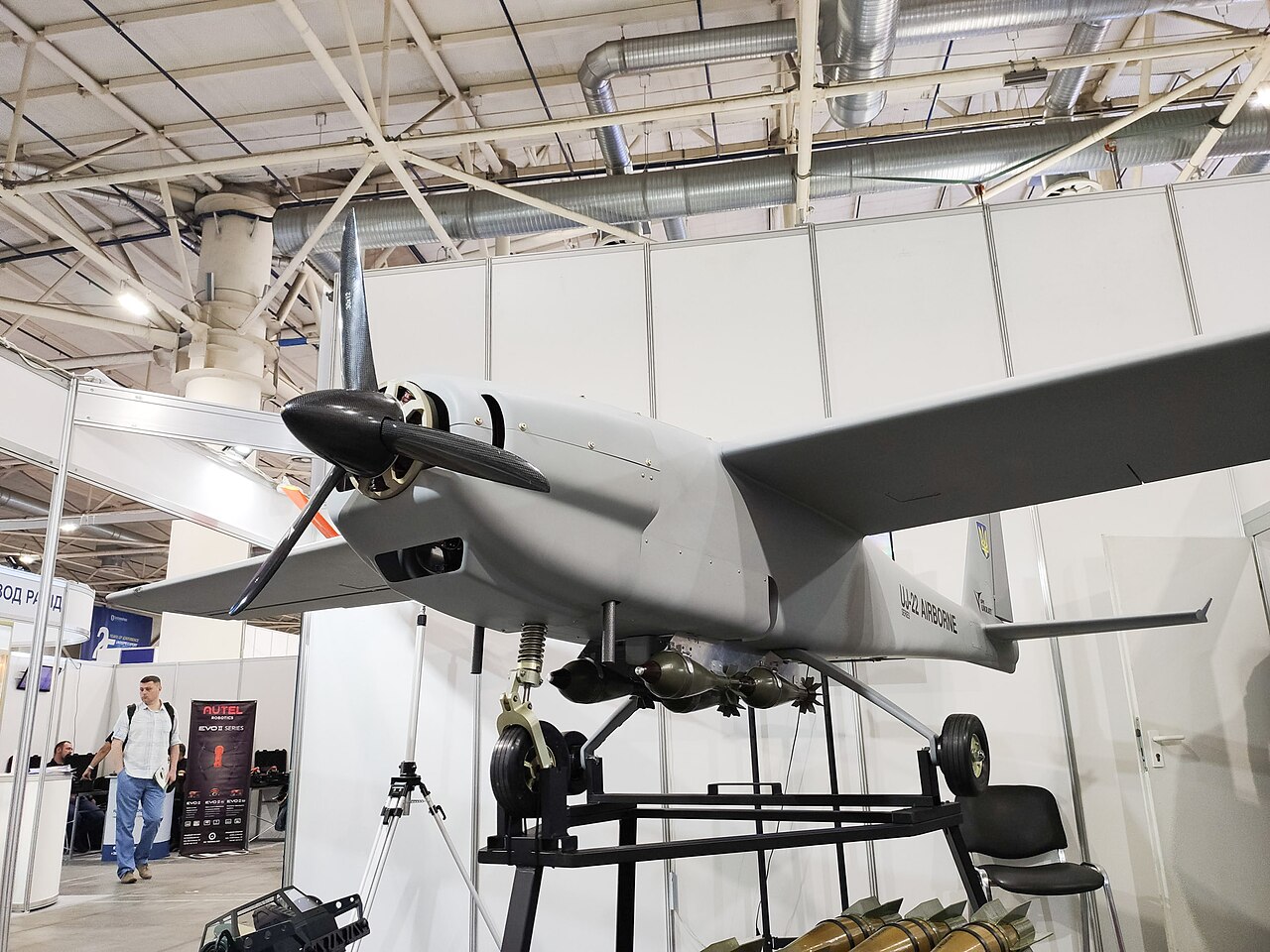
Kyiv has formally presented a proposal to the United States for the provision of cost-effective interceptor drones. This initiative, put forth in March 2026, aims to bolster defenses against Iranian-manufactured unmanned aerial vehicles (UAVs) in the Middle East region. The offer leverages Ukraine's extensive operational experience in countering such drone threats, particularly the Shahed series, which have been widely deployed by Russian forces in the ongoing conflict.
Strategic Defense Initiative
The Ukrainian proposition centers on supplying specialized drones designed for interception, offering a potentially economical solution to a persistent security challenge. These systems are intended to provide a defensive countermeasure against drone attacks targeting U.S. personnel and allied interests across the Middle East. The underlying strategy is to transfer battlefield-tested technology and tactics developed in Eastern Europe to a different geopolitical theater.
Addressing Regional Threats
The United States has been actively seeking robust and scalable solutions to mitigate the increasing frequency and sophistication of drone attacks in the Middle East. These threats often originate from Iran or its affiliated proxy groups, posing significant risks to military installations, critical infrastructure, and maritime navigation. The Ukrainian offer aligns with Washington's broader efforts to enhance regional security and protect strategic assets from aerial incursions.
Battlefield Experience and Innovation
Ukraine's military has gained unparalleled expertise in drone warfare, both in offensive and defensive capacities, since the full-scale invasion began in 2022. The continuous engagement with various types of Iranian-designed drones, including the Shahed-131 and Shahed-136 models, has led to rapid innovation in counter-drone technologies and operational doctrines.
This direct experience forms the basis of the proposed interceptor systems, which are designed for rapid deployment and operational efficiency.
Implications for Global Security
S. accept Ukraine's proposal, it could signify a new dimension in international security cooperation, where battlefield-proven technologies from one conflict zone are adapted for another. This collaboration could also underscore the evolving nature of modern warfare, where low-cost, asymmetric threats like drones necessitate agile and innovative defensive responses.
The initiative highlights the growing global concern over the proliferation of advanced drone technology and the need for effective countermeasures to maintain regional stability.
Future Outlook
The potential deployment of Ukrainian-developed interceptor drones in the Middle East could offer a significant enhancement to existing air defense capabilities. It would also demonstrate a practical application of lessons learned from contemporary conflicts, potentially influencing future defense procurement strategies for countering similar threats worldwide.
The discussions between Kyiv and Washington are expected to continue as both nations assess the technical specifications, logistical requirements, and strategic benefits of such a partnership.
Implications
Country Impact: For Ukraine, this initiative could provide a new avenue for defense industry exports and strengthen strategic ties with the United States. For the U.S., it offers a potentially cost-effective solution to a persistent security challenge in a critical region.
Industry Impact: The defense industry, particularly in the counter-drone sector, could see increased innovation and demand for battle-tested, affordable solutions. It may also foster greater collaboration between defense manufacturers in different nations.
Market Impact: While direct market impact is limited, successful deployment could influence defense spending priorities and investment in counter-UAV technologies. It might also signal a shift towards more agile and cost-efficient defense procurement strategies globally.