Starmer Appointed Mandelson Despite Epstein Warnings
UK Prime Minister Keir Starmer appointed Peter Mandelson as US ambassador in December 2024 despite warnings about Epstein ties.
Lauren Collins ·
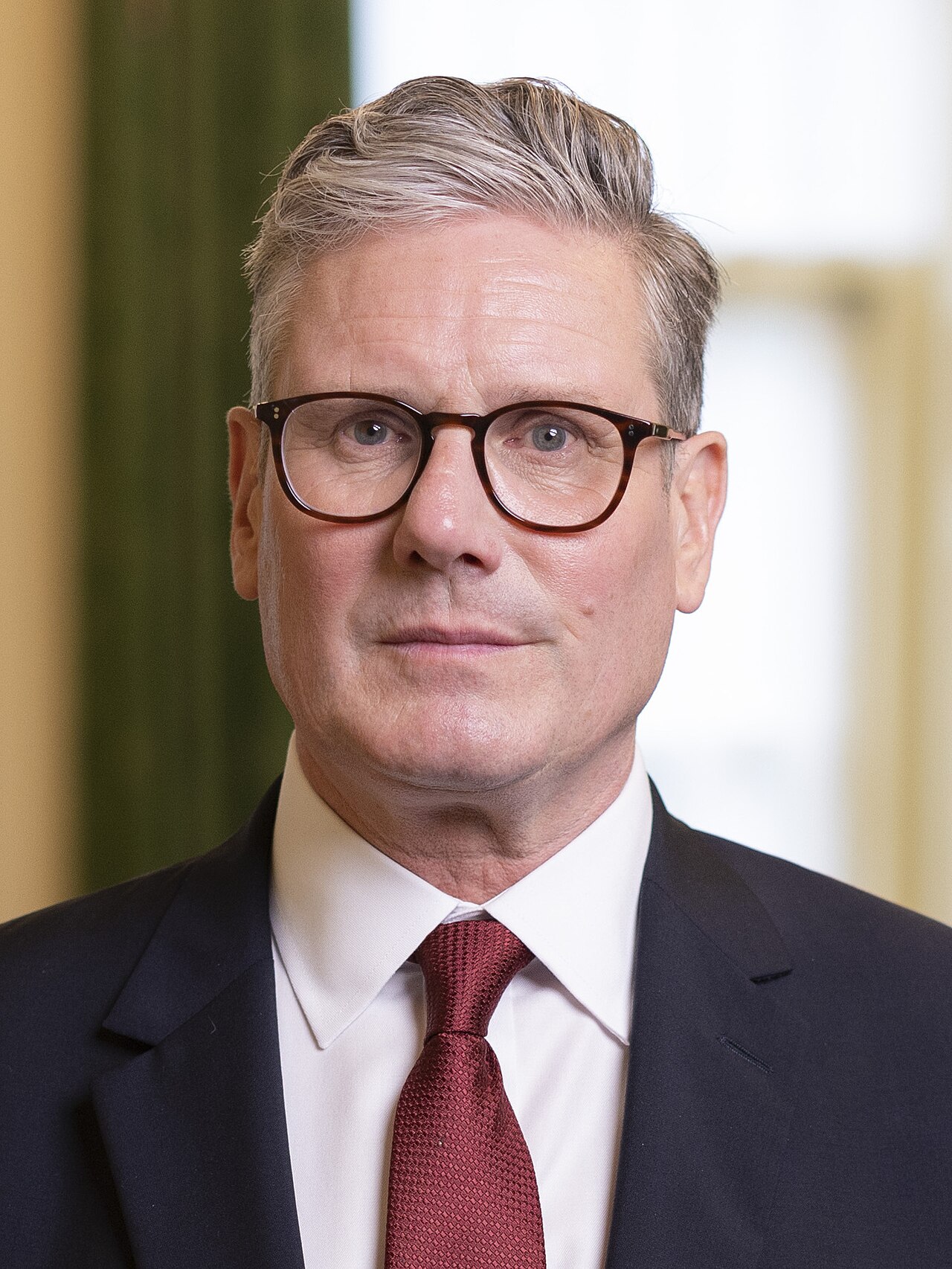
Prime Minister Keir Starmer proceeded with Peter Mandelson's appointment as the UK's ambassador to the United States in December 2024, despite internal warnings regarding Mandelson's association with convicted sex offender Jeffrey Epstein. Government documents released on Wednesday, December 11, 2024, revealed that Starmer's vetting team flagged Mandelson's continued contact with Epstein between 2009 and 2011, a period after Epstein's 2008 conviction for procuring a minor.
Mandelson reportedly stayed at Epstein's residence in June 2009, a detail highlighted in the vetting process. Despite these concerns, Starmer's principal private secretary, Ninjeri Pandit, directed the Foreign Office to accelerate the ambassadorial arrangements. This decision has drawn scrutiny following subsequent developments.
Mandelson's Dismissal and Investigations
Starmer ultimately dismissed Mandelson from the ambassadorial role in September 2025. This action followed further disclosures about the extent of Mandelson's relationship with Epstein, including allegations that Mandelson had forwarded sensitive government documents to Epstein. Mandelson was later arrested by British police in November 2025 concerning accusations of transmitting confidential government information, though he has not been formally charged and maintains his innocence.
The Metropolitan Police requested that specific documents, including Mandelson's vetting responses, be withheld from public release to prevent interference with their ongoing investigation. This request underscores the sensitivity and legal complexities surrounding the case.
Financial Settlement and Political Fallout
Following his dismissal, Mandelson sought to return to the UK with what he termed "maximum dignity." He requested a payout for the remainder of his four-year ambassadorial salary, an amount estimated at approximately £547,201 ($734,000). This request was denied by the government.
Instead, Mandelson received a severance payment of around £75,000. Darren Jones, the prime minister's chief secretary, indicated that the government reluctantly provided this severance as the most expedient method to facilitate Mandelson's removal. Jones also urged Mandelson to either return or donate the payment, signaling the government's desire to distance itself from the controversy.
Broader Context and Implications
The incident highlights the rigorous scrutiny applied to high-level diplomatic appointments and the potential reputational risks associated with past associations. The ongoing police investigation and the public release of vetting documents underscore the importance of transparency in government appointments, particularly when individuals have connections to controversial figures.
The political fallout for Prime Minister Starmer and his administration could be significant, depending on the outcome of the police inquiry and any further revelations regarding the vetting process and Mandelson's conduct.
Implications
Country Impact: The UK's diplomatic standing could face scrutiny regarding the vetting process for high-profile appointments. Public trust in government transparency may be affected by the handling of sensitive information and the police investigation.
Industry Impact: The diplomatic service and government vetting procedures may undergo review to prevent similar controversies. This incident could lead to stricter guidelines for assessing candidates' past associations and potential reputational risks.
Market Impact: While direct market impact is limited, political instability or perceived governmental mismanagement can indirectly influence investor confidence in the long term. The controversy may prompt closer examination of governance standards.