Trump Predicts Rapid End to Iran Conflict
Donald Trump predicted on March 11, 2026, that the Iran conflict would end soon, stating targets were depleted after two weeks of strikes.
Lauren Collins ·
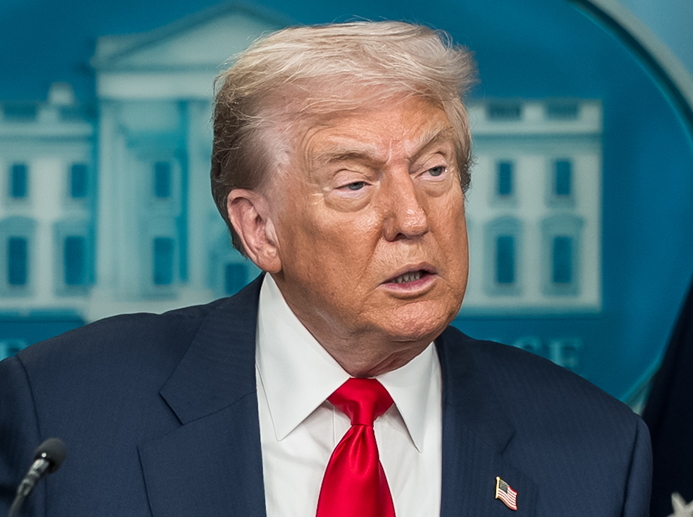
Former U.S. President Donald Trump asserted on Wednesday, March 11, 2026, that the ongoing conflict in Iran would conclude imminently. Speaking in a phone interview with Axios, Trump indicated that military operations had largely achieved their objectives, stating there was "practically nothing left" for forces to target within the country.
Conflict Background and Objectives
The current hostilities, which commenced approximately two weeks prior to Trump's statement, involved coordinated strikes by the United States and Israel against Iranian targets. These operations were reportedly initiated with the primary goals of degrading Iran's military infrastructure and neutralizing elements of its nuclear program. The specific scope and scale of these strikes have been a subject of international scrutiny.
Presidential Authority and Decision-Making
Trump emphasized that the cessation of the conflict was directly contingent on his directive. This statement underscores the significant role of presidential authority in determining the duration and conclusion of military engagements. His remarks suggest a belief that the strategic objectives of the intervention were nearing completion, allowing for a swift disengagement.
Geopolitical Context of Middle East Tensions
The broader geopolitical landscape of the Middle East has been marked by persistent tensions involving Iran, the United States, and Israel for decades. Disputes often center on Iran's nuclear ambitions, its regional influence, and its support for various non-state actors. Previous administrations have employed a range of diplomatic, economic, and military strategies to address these complex issues.
International Reactions and Regional Stability
Any significant military action in the region typically elicits diverse reactions from international bodies and neighboring states. Concerns frequently arise regarding potential humanitarian impacts, the risk of broader regional destabilization, and the implications for global energy markets. The swiftness of any conflict resolution would likely be a key factor in shaping these international responses.
Future Policy Implications
Should the conflict indeed conclude rapidly as predicted, attention would likely shift to the post-conflict phase. This would involve assessing the effectiveness of the military campaign, evaluating the remaining capabilities of Iran's military and nuclear programs, and considering the long-term implications for regional security architecture. The role of international diplomacy in preventing future escalations would also become paramount.
Economic and Market Considerations
Geopolitical instability in the Middle East often has immediate and significant effects on global financial markets, particularly energy prices. A rapid de-escalation, if achieved, could potentially alleviate some market anxieties, though the underlying tensions and long-term policy implications would continue to influence investor sentiment. The economic impact on Iran itself, following military strikes, would also be a critical area of analysis.
Implications
Country Impact: The swift conclusion of hostilities, if realized, could temporarily reduce immediate security threats to Iran and its neighbors. However, the long-term stability of the region would depend on subsequent diplomatic efforts and the resolution of underlying geopolitical grievances.
Industry Impact: A rapid de-escalation could lead to a temporary stabilization in global oil markets, potentially easing concerns about supply disruptions. Industries reliant on stable energy prices would benefit from reduced volatility, though geopolitical risks would remain a factor.
Market Impact: Global equity and bond markets might experience a short-term positive reaction to news of a swift conflict resolution, reflecting reduced geopolitical risk premiums. However, the broader economic outlook would still be influenced by inflation, interest rates, and other macroeconomic factors.