WHO: Ebola Response Lagging in Congo, Uganda
The WHO warns that the fast-moving Ebola outbreak in DRC and Uganda is outpacing response efforts, with suspected deaths rising.
Ayla Demirhan ·
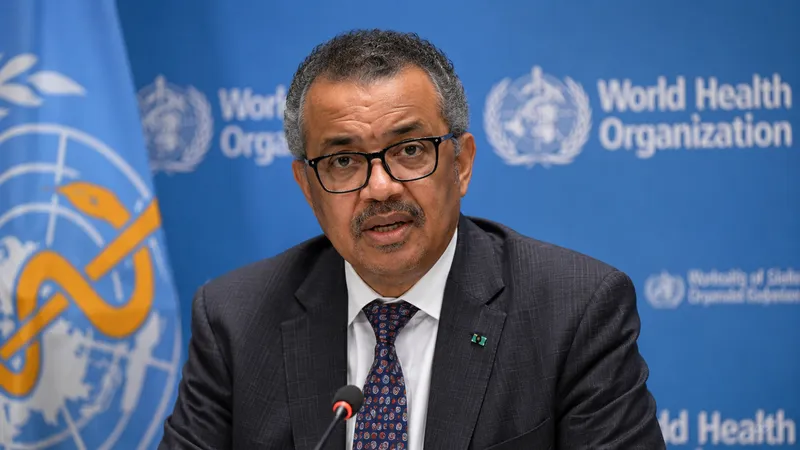
The World Health Organization (WHO) has issued a stark warning that the rapidly spreading Ebola outbreak in the Democratic Republic of Congo (DRC) and Uganda is currently outpacing containment efforts. WHO Director-General Tedros Adhanom Ghebreyesus stated on Monday that delays in case detection have left response teams scrambling to catch up, predicting a worsening situation before any improvement.
Escalating Death Toll and International Concern
The latest figures indicate a grim reality, with the number of suspected deaths climbing to 220. This escalating toll has prompted the WHO to declare the outbreak of the rare Bundibugyo strain of Ebola a public health emergency of international concern. The declaration underscores the significant threat posed by the epidemic beyond the immediate affected regions.
Uganda reported two additional confirmed cases on Monday, bringing its total to seven. Dr. Tedros emphasized that neighboring countries sharing borders with the DRC are at high risk and must implement immediate preventive measures. This highlights the interconnectedness of regional health security in the face of such transmissible diseases.
Challenges Hampering Containment Efforts
Containment of the current Ebola outbreak is significantly complicated by a range of factors, according to Director-General Tedros. The epicenter of the outbreak lies within the DRC's Ituri and North Kivu provinces, areas that are characterized by high levels of insecurity. This instability severely hinders the ability of health workers to access affected populations and deliver essential medical interventions.
Furthermore, the specific Bundibugyo strain of the virus does not have an approved vaccine currently available for its treatment. This lack of a readily deployable vaccination strategy adds another layer of complexity to the response, making it more challenging to prevent further transmission.
In response to the escalating crisis, Dr. Tedros announced his intention to travel to the DRC on Tuesday, accompanied by a senior WHO official responsible for health emergencies. This visit aims to directly assess the situation on the ground and bolster the international response. The WHO's declaration and the Director-General's proactive engagement signal the gravity with which the global health community is treating this dangerous outbreak.
The situation demands urgent and coordinated action from all relevant international bodies and national governments. Continued vigilance, resource allocation, and security improvements in affected regions will be critical in the ensuing weeks and months. The effectiveness of these measures will determine the trajectory of the Ebola outbreak.