White House 'Freedom to Fix' order signals dealer service margin squeeze
A White House fact sheet and Presidential Memorandum direct the EPA to issue guidance on self-repairs of emissions systems and expedite aftermarket parts…
Edward Mullen ·
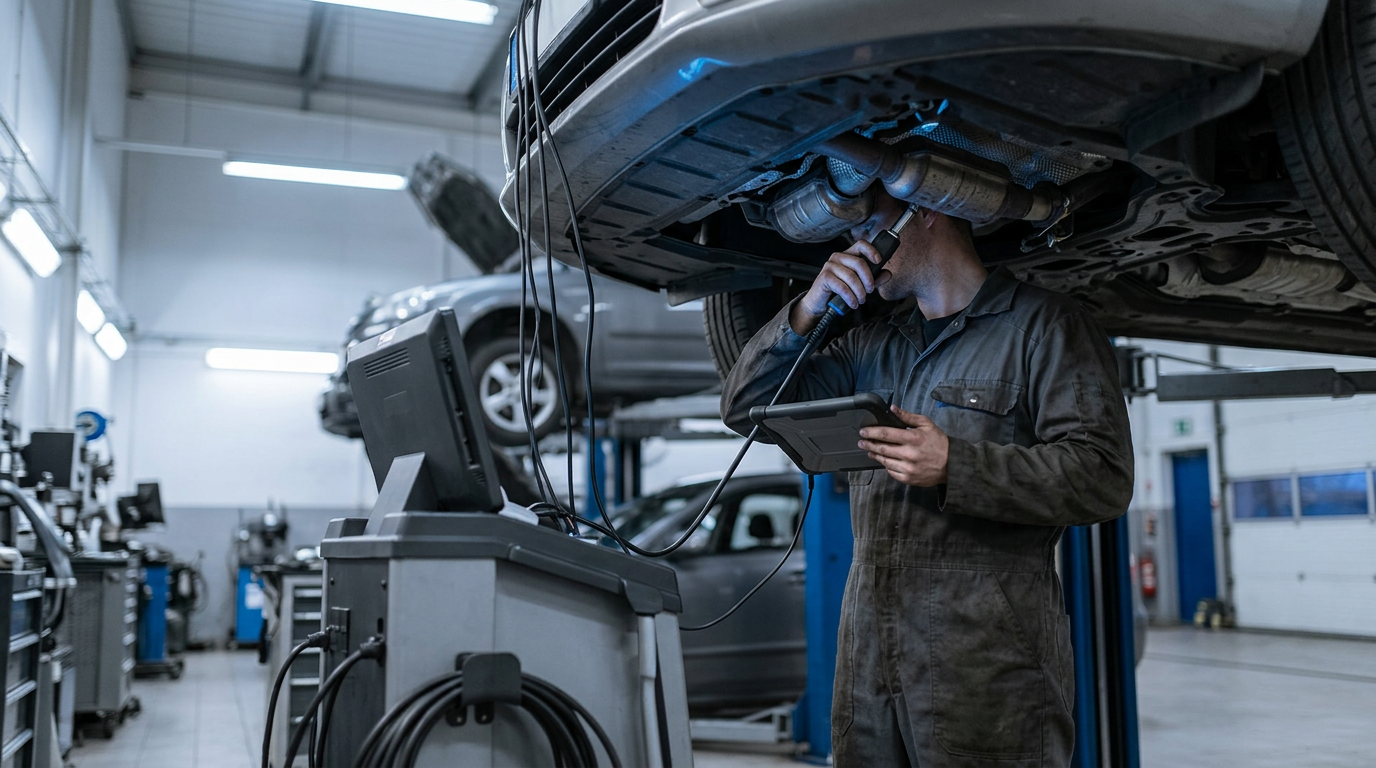
When a truck owner’s exhaust gas recirculation valve fails, the repair has historically sent them to a dealership for an OEM part and specialized labor. This journey, dictated by stringent emissions regulations and proprietary systems, is set to change. New regulations from the White House aim to re-route these profitable repairs, shifting future margins to independent mechanics and aftermarket suppliers.
EPA-directed self-repair guidance targets emissions systems — the repair line item that drives service traffic In a White House [fact sheet](https://www.whitehouse.gov/fact-sheets/2026/06/fact-sheet-president-donald-j-trump-lowers-the-cost-of-living-by-promoting-the-freedom-to-fix), the administration says the President has directed EPA to “issue guidance on self-repairs of emissions systems” and “expedite aftermarket parts” certification, explicitly tying the effort to lowering the cost of living. That narrows the right-to-repair debate to one of the most regulated and dealership-dependent categories—emissions controls—where software interlocks and certification bottlenecks have historically pushed owners to OEM-affiliated service centers.
If EPA guidance permits self-repair paths and recognizes a pipeline for compliant aftermarket components, the default flow of emissions-related jobs could diversify away from dealer networks.
Aftermarket certification is a margin story, not only a consumer story The companion White House [Presidential Memorandum](https://www.whitehouse.gov/presidential-actions/2026/06/lowering-the-cost-of-living-by-promoting-the-freedom-to-fix), dated June 29, 2026, directs the agency to reduce regulatory burdens that inhibit aftermarket parts availability and self-repair. The near-term effect, if the EPA operationalizes this, is a procurement swap: certified emissions parts sourced from third-party suppliers, installed by independent mechanics, rather than OEM parts and dealer labor.
That is a reallocation of revenue, not merely a reduction in consumer out-of-pocket costs. For dealer groups that rely on service lanes to subsidize vehicle sales cycles, fewer captive emissions jobs and more approved non-OEM components would weaken a reliable profit line.
The dominant read misses the business-model consequence
The missing pieces: timelines, tools, and enforcement could slow the shift Neither document provides a calendar for EPA guidance, details an enforcement mechanism, nor commits OEMs to release proprietary diagnostic software, security tokens, or calibration procedures that modern emissions systems often require. Without those specifics, even with an expedited parts certification lane, independent shops may still face practical blocks: incomplete access to fault-tree diagnostics, limited ability to clear codes after component replacement, and uncertainty about warranty and federal emissions compliance post-repair. The White House packet sets intent; the speed and size of the margin shift depend on technical access and EPA’s throughput on certifications.
Dealers’ response will target compliance choke points, not headlines
What changes over the next 12 months for parts buyers and shop operators If EPA issues actionable guidance and stands up a predictable, published process for certifying aftermarket emissions parts, parts catalogs at national distributors will reflect compliant SKUs and insurers will update estimating systems to recognize them—both precursors to volume moving out of dealer networks. Independent shops would invest in approved tooling and training tied to those certified components, justifying new labor lines that have historically defaulted to dealerships.
Conversely, a slow or narrow EPA implementation—especially one that sidesteps software access—would keep the status quo in place, with the White House language serving more as negotiating leverage than a near-term revenue redirect. Watch for three concrete signals: an EPA guidance document that explicitly addresses self-repair and calibration procedures; distributor announcements of newly certified emissions components; and dealer-group earnings commentary on service mix shifts once the first wave of guidance lands.
The popular framing—right-to-repair equals cheaper, faster fixes for consumers—stops too early. By fast-tracking certification for aftermarket emissions components and enabling self-repair pathways, the policy sets who can legally sell and install parts subject to compliance risk.
That flips pricing power on specific SKUs and labor hours from OEM service networks to a broader supplier and shop base. In procurement terms, fleet managers and large insurers would have a green light to specify certified non-OEM emissions parts in estimates and vendor catalogs, cutting dealer exclusivity that has historically propped margins in those categories.
Dealer groups and OEMs do not need to contest the slogan to defend margins; they can emphasize compliance risk and warranty protection to keep emissions work in-network while guidance remains vague. If EPA’s guidance lacks specificity on software unlocks, installation procedures, and post-install verification, service writers can credibly warn customers and fleets about liability exposure, buying time to preserve mix and utilization in dealer bays.
Expect legal parsing of what “self-repair” means for emissions-critical components and whether third-party calibrations meet federal standards—areas where ambiguity alone can keep procurement routed to OEM channels.