Trump Weighs Jones Act Waiver Amid Iran Conflict
Former President Trump is considering a Jones Act waiver by March 2026 to address potential oil supply disruptions from the Iran conflict.
Lauren Collins ·
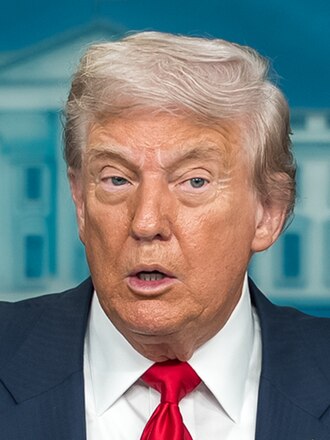
Former U.S. President Donald Trump is reportedly considering a waiver of the Jones Act by March 2026. This potential action aims to mitigate disruptions in oil supply, particularly those stemming from the ongoing conflict in Iran. Such a waiver would permit non-U.S. flagged vessels to transport cargo between American ports.
The Jones Act, formally known as the Merchant Marine Act of 1920, mandates that all maritime transport between U.S. ports must be conducted by ships constructed, owned, crewed, and registered in the United States. The current geopolitical tensions, including the deployment of 2,500 U.S. Marines to the Middle East, are exerting upward pressure on global oil prices, prompting this review of existing maritime regulations.
Historical Precedent for Waivers
Previous U.S. administrations have temporarily suspended the Jones Act during national emergencies. These instances typically involved natural disasters, such as hurricanes, where rapid delivery of essential goods was critical. The current deliberation focuses on enhancing shipping capacity and flexibility for U.S. territories, specifically in response to geopolitical events affecting energy markets.
Economic and Political Implications
Waiving the Jones Act could significantly impact domestic shipping companies, which benefit from the protectionist policy. While potentially lowering shipping costs and increasing supply chain resilience, the move would likely face opposition from advocates of U.S. maritime industry protection. The debate underscores the complex balance between national security, economic efficiency, and domestic industry support.
Broader Geopolitical Context
The consideration of this waiver occurs against a backdrop of heightened international instability. Recent events include a U.S. refueling aircraft crash in Iraq, which resulted in six fatalities, further illustrating the volatile nature of the region. Additionally, Ukrainian President Volodymyr Zelenskyy has voiced concerns over a 30-day U.S. exemption on Russian oil sanctions, highlighting the intricate connections between energy policy and global political dynamics during periods of conflict.
Outlook on Energy Markets
The potential waiver reflects a strategic effort to stabilize energy markets by ensuring diversified shipping options. The ongoing conflict in Iran, a major oil-producing region, poses a significant risk to global crude supplies. By preparing for potential disruptions, the U.S. aims to safeguard its domestic energy security and mitigate price volatility. The decision will be closely watched by energy traders, shipping companies, and international political observers.
Implications
Country Impact: The U.S. domestic shipping industry could face increased competition from foreign-flagged vessels, potentially leading to lower shipping costs for consumers but also impacting American maritime jobs and businesses. Energy security for U.S. territories might improve due to diversified transport options.
Industry Impact: The global shipping industry could see increased opportunities for non-U.S. flagged vessels to operate in American waters, potentially shifting market dynamics. The oil and gas sector would benefit from enhanced supply chain resilience, reducing the risk of price spikes due to transport bottlenecks.
Market Impact: Global oil prices could experience reduced volatility if supply chain disruptions are effectively mitigated by a waiver, providing stability to energy markets. Domestic shipping company stocks might face downward pressure, while international shipping firms could see an upside.