Trump Claims Iran Near Surrender to G7 Leaders
Former U.S. President Trump claimed Iran was near surrender to G7 leaders, but Iran's Supreme Leader vowed continued resistance.
Lauren Collins ·
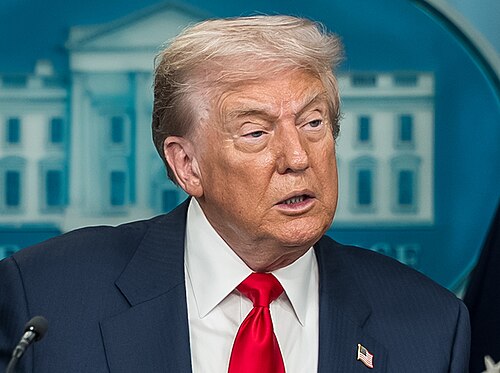
Former U.S. President Donald Trump recently informed G7 leaders during a virtual meeting that Iran was on the verge of surrender. This assertion was made on Wednesday, amidst ongoing international concerns regarding regional stability and the economic repercussions of conflict, particularly rising oil prices and disruptions in the Strait of Hormuz.
Trump's remarks, conveyed to G7 officials, suggested a leadership void within Tehran, stating that no clear authority existed to declare a surrender. However, just 24 hours later, Iran's new Supreme Leader, Mojtaba Khamenei, publicly affirmed the nation's commitment to continued resistance, directly contradicting Trump's assessment.
G7 Leaders Urge De-escalation
During the same virtual discussion, G7 leaders, including German Chancellor Friedrich Merz, British Prime Minister Keir Starmer, and French President Emmanuel Macron, pressed Trump to accelerate efforts to resolve the conflict and ensure the security of the Strait of Hormuz. This critical waterway is vital for global oil shipments.
Trump reportedly offered assurances regarding improved conditions in the Strait. Despite these claims, two oil tankers were subsequently targeted in attacks off the coast of Iraq, highlighting persistent regional instability and maritime security challenges.
Sanctions Waiver and Energy Markets
In a related development, the U.S. Treasury Department issued a one-month waiver on sanctions for Russian oil already in transit on Thursday. This decision, made despite objections from several European nations, aimed to stabilize global energy markets and prevent Russia from gaining substantial financial advantages from existing shipments.
This measure followed discussions between a Russian envoy and advisors to former President Trump concerning the global energy crisis. The waiver underscores the complex interplay between geopolitical tensions, energy security, and international sanctions regimes, as policymakers seek to balance punitive measures with global economic stability.
Regional Geopolitical Context
The broader context involves heightened tensions in the Middle East, impacting global trade routes and energy supplies. The Strait of Hormuz, a narrow chokepoint, remains a focal point for international security due to its strategic importance for oil exports. Disruptions in this area can significantly influence global crude prices and economic stability.
International efforts continue to focus on de-escalation and diplomatic solutions, though the recent statements and incidents indicate persistent challenges. The differing perspectives between U.S. political figures and Iranian leadership highlight the complexities of achieving a resolution in the region.
Implications
Country Impact: The U.S. and Iran remain at odds, with conflicting narratives on regional stability. European G7 nations are pushing for de-escalation, indicating a divergence in strategic approaches to the conflict.
Industry Impact: The energy sector faces continued volatility due to geopolitical tensions and maritime incidents. Oil prices are subject to upward pressure from disruptions in key shipping lanes like the Strait of Hormuz.
Market Impact: Global financial markets may react to perceived instability in the Middle East, particularly concerning oil supply. The U.S. Treasury's sanctions waiver on Russian oil reflects efforts to mitigate broader market shocks.