China's Anti-Corruption Campaign Continues Unabated
China's anti-corruption campaign, led by President Xi Jinping, continues to discipline officials, reinforcing political control and party loyalty.
Lauren Collins ·
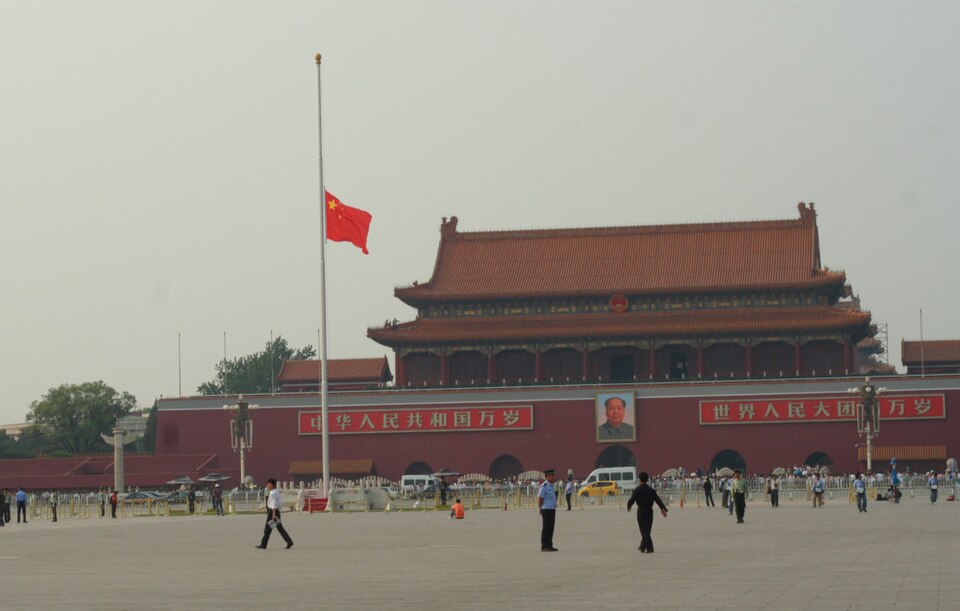
China's extensive anti-corruption campaign, initiated by President Xi Jinping, remains a central feature of the nation's governance, impacting numerous officials across various levels. The ongoing drive, which commenced over a decade ago, aims to address systemic corruption within the Communist Party and reinforce political authority. This sustained effort has led to significant personnel changes, notably observed at recent high-profile political gatherings.
Evidence of the campaign's reach was apparent at the recent National People's Congress in Beijing, where approximately 100 delegates were absent, indicating disciplinary actions or removals. This suggests a continued focus on maintaining party discipline and loyalty, particularly within critical sectors of the economy and government.
Origins and Scope of the Campaign
The anti-corruption initiative began shortly after Xi Jinping assumed the role of general secretary in 2012. From its inception, the campaign has targeted both high-ranking officials, often referred to as "tigers," and lower-level functionaries, known as "flies." This broad approach underscores a comprehensive effort to root out corruption at all echelons of the party structure.
In 2025, China's primary anti-graft agency reported disciplinary actions against nearly one million individuals. This figure highlights the sheer scale of the campaign. Additionally, ten high-ranking officials were removed from their positions in January of the same year, demonstrating the ongoing intensity of these efforts.
Notable Removals and Political Implications
The campaign has resulted in the downfall and imprisonment of several prominent figures. Among these were Bo Xilai, a former rising political star, who faced removal between 2012 and 2013, and a former head of China's security apparatus, who was disciplined in 2014. These high-profile cases illustrate the campaign's capacity to reach even the most influential members of the party.
Analysts suggest that the persistent purges serve a dual purpose. Beyond combating genuine corruption within the Communist Party's vast membership of 100 million, the campaign functions as a critical instrument for political consolidation. It ensures adherence to party directives and strengthens the central leadership's control, particularly over areas receiving substantial state funding, such as advanced technology and military procurement.
Future Outlook and Stability
The continued emphasis on anti-corruption reflects the leadership's conviction that a unified and disciplined party is indispensable for national stability and the achievement of long-term strategic objectives. The campaign is viewed as a necessary mechanism to maintain public trust and ensure the effective implementation of government policies.
The persistence of these efforts indicates that the anti-corruption drive will remain a cornerstone of China's political landscape for the foreseeable future, shaping both internal party dynamics and broader national governance.
Implications
Country Impact: The ongoing anti-corruption campaign in China reinforces central government control and aims to enhance party discipline. This could lead to greater policy coherence but also raises questions about political succession and internal power dynamics.
Industry Impact: Sectors heavily reliant on government funding, such as technology and defense, face increased scrutiny and potential personnel changes. This could impact project timelines and investment decisions as companies navigate a stricter regulatory and political environment.
Market Impact: The sustained campaign introduces an element of political risk for investors, particularly those in state-linked enterprises. While aiming for stability, the purges can create uncertainty regarding leadership and policy direction, potentially affecting market sentiment and foreign direct investment.