Trump Administration Weighs Jones Act Waiver for Fuel
The Trump administration is considering a temporary Jones Act waiver to address rising domestic fuel prices amid global energy disruptions.
Lauren Collins ·
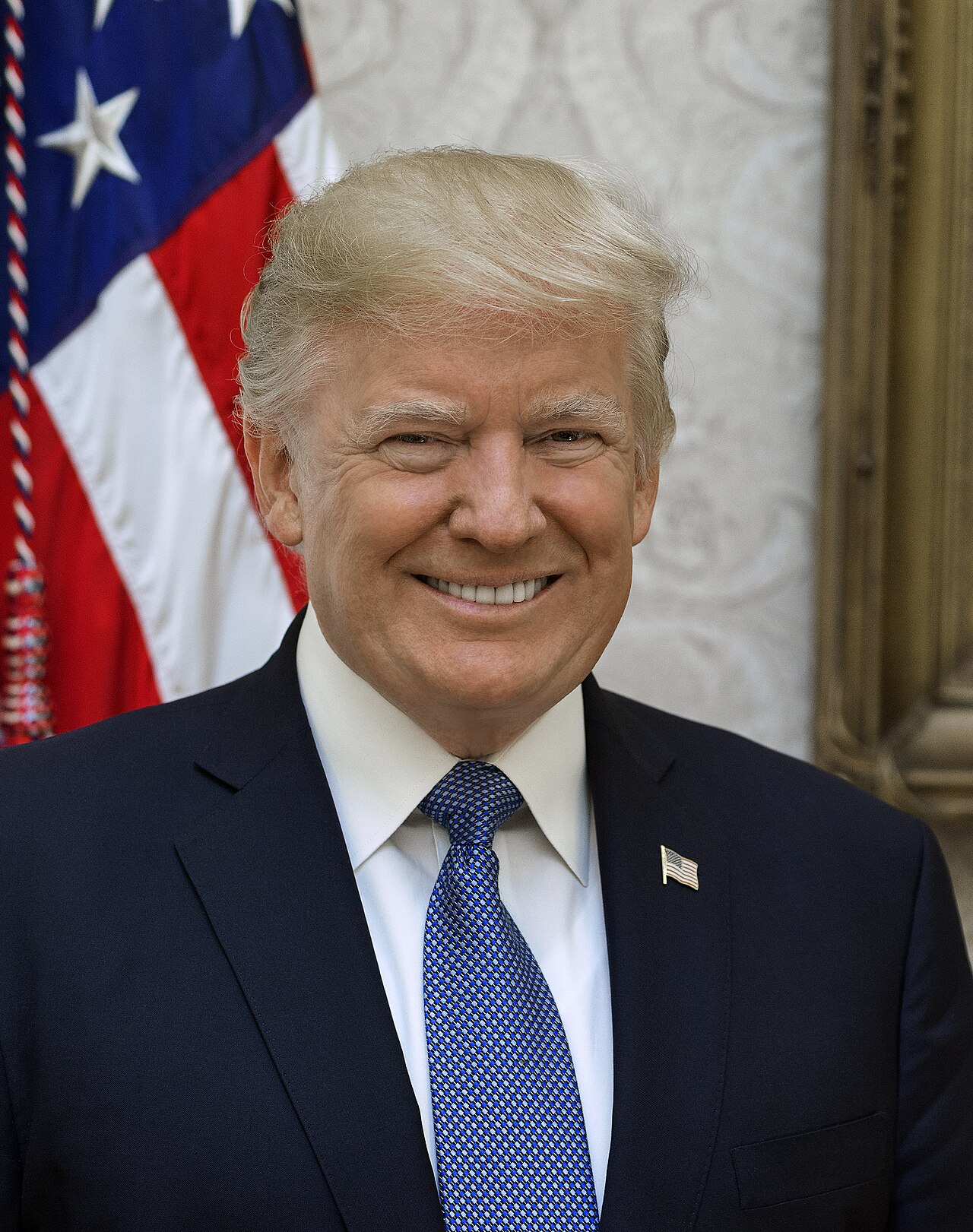
The Trump administration is evaluating a temporary suspension of the Jones Act, a century-old maritime law, to address escalating domestic fuel prices. This consideration, active as of mid-March 2026, aims to facilitate the transport of oil and gas within U.S. waters by non-U.S. flagged vessels.
This potential policy shift comes in response to disruptions in global energy markets, specifically the blockage of the Strait of Hormuz by Iran. The strait is a crucial transit point for a substantial portion of the world's oil and gas, and its closure has contributed to a notable increase in international oil prices and domestic gasoline costs across the United States.
Jones Act Background and Current Considerations
The Merchant Marine Act of 1920, commonly known as the Jones Act, stipulates that all cargo transported between U.S. ports must be carried on vessels that are U.S.-flagged, predominantly U.S.-owned, and primarily crewed by U.S. citizens. Enacted over a century ago, the legislation was designed to bolster national security and protect the domestic maritime industry.
White House spokesperson Karoline Leavitt confirmed that the administration is exploring a waiver, citing national defense interests. The objective is to ensure the uninterrupted flow of essential energy products and agricultural goods to American ports, mitigating the economic impact of current geopolitical tensions.
Geopolitical Context and Economic Impact
The Strait of Hormuz, a narrow sea passage, is strategically vital, accounting for approximately one-fifth of global oil and gas supplies. Iran's actions in this region have directly influenced international energy markets, leading to a surge in crude oil prices worldwide. Domestically, this has translated into higher gasoline prices, with some U.S. cities reporting costs exceeding $5.00 per gallon.
The administration's deliberation reflects a balancing act between long-standing protectionist maritime policies and immediate economic pressures. Previous administrations have occasionally issued Jones Act waivers in emergency situations, such as after hurricanes, to expedite relief efforts and fuel deliveries.
Potential Implications and Outlook
A temporary waiver could alleviate some pressure on U.S. fuel supplies and prices by increasing the available shipping capacity. However, such a move would likely face opposition from domestic maritime industry groups, who argue that the Jones Act is essential for maintaining a robust U.S. merchant marine and ensuring national security.
The decision remains under review, with no final determination announced. The outcome will depend on the administration's assessment of the severity of the energy crisis, the effectiveness of a waiver, and the political ramifications of temporarily suspending a key piece of U.S. maritime law. The situation underscores the intricate link between global geopolitical events and domestic economic stability.
Implications
Country Impact: A temporary waiver could reduce domestic fuel costs and stabilize energy supply chains within the U.S. However, it might also draw criticism from the U.S. maritime industry, which benefits from the existing protectionist legislation.
Industry Impact: The U.S. maritime shipping industry could face increased competition from foreign-flagged vessels if the waiver is implemented. Conversely, the energy sector might see improved logistics and reduced transportation costs for fuel distribution.
Market Impact: Global oil and gas markets could see a slight easing of price pressures if the waiver helps to alleviate U.S. demand-side concerns. Domestic energy futures and shipping stocks could react to the potential policy change.