Japan to Deploy Fighter Jets to India for Joint Drills
Japan will deploy three F-2 fighter jets and 110 personnel to India for the 'Veer 26' exercise, marking a significant first for bilateral defense cooperation.
Lauren Collins ·
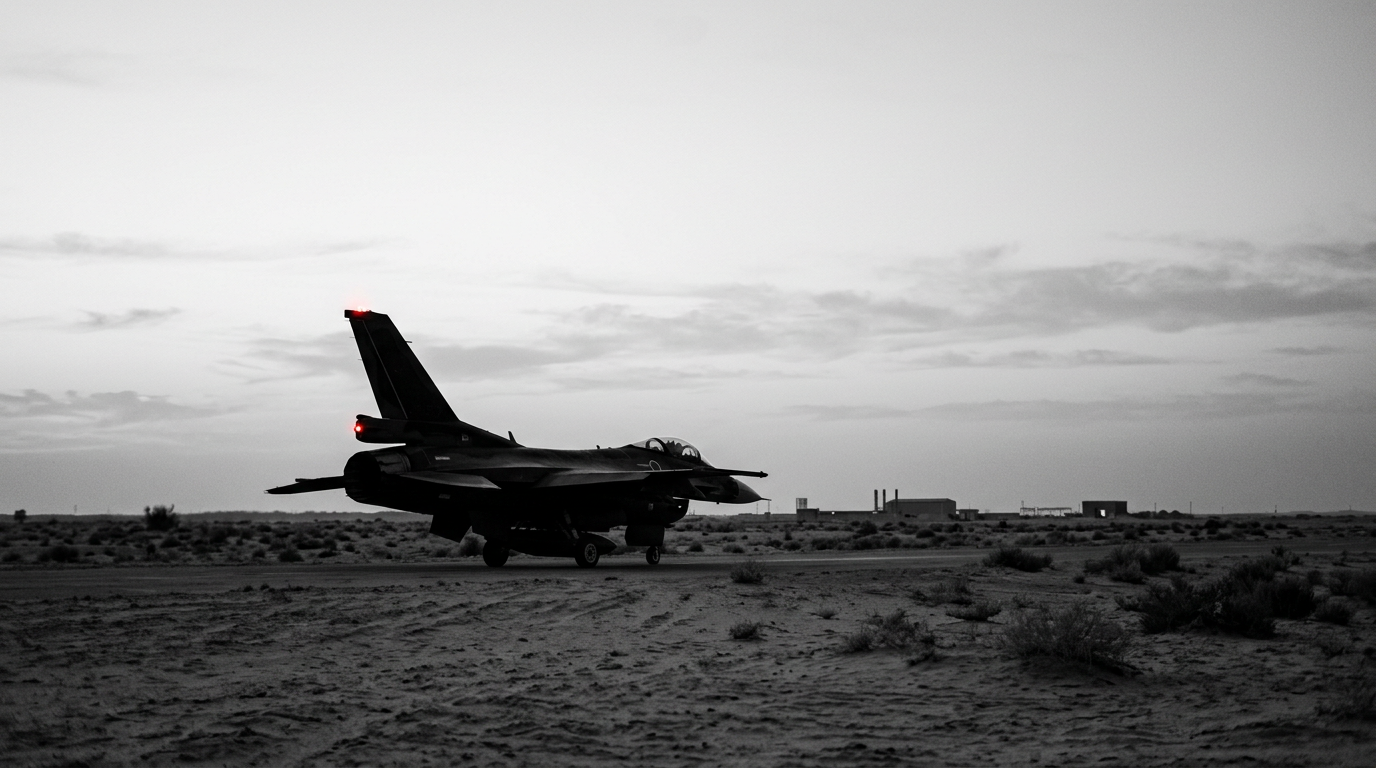
Japan is preparing to send three F-2 fighter jets and 110 military personnel to India for a significant joint training exercise. This deployment, scheduled to occur in Rajasthan from September 9 to 21, represents the first instance of Japanese fighter aircraft being stationed on Indian soil for bilateral military drills. The exercise, named 'Veer 26,' aims to bolster interoperability and foster mutual trust between the air forces of both nations.
This initiative follows recent high-level security consultations between defense officials from Japan and India, underscoring a deepening commitment to bilateral military cooperation. The upcoming drills highlight a broader evolution in Tokyo's defense posture, characterized by increased regional engagement and the expansion of security partnerships across the Indo-Pacific.
Strategic Alignment in the Indo-Pacific
The deployment aligns with Japan's publicly stated objective of upholding a free and open Indo-Pacific region. This strategic focus is a direct response to evolving power dynamics within the region, where both countries share concerns about maritime security and regional stability. By conducting joint exercises, Japan and India are signaling a strengthened resolve to contribute to a balanced security architecture.
Defense analysts widely consider this development a notable advancement in the defense relationship between the two nations. It signifies not only a practical step in military collaboration but also a symbolic gesture of solidarity and shared strategic vision. Previous defense engagements between Japan and India have primarily involved naval exercises and ground force interactions, making this aerial component a significant new dimension.
Growing Defense Ties and Future Outlook
Over recent years, both Japan and India have intensified their defense dialogues and exchanges, recognizing the critical role of multilateral partnerships in regional security. These efforts have included regular ministerial meetings, staff talks, and combined military exercises that span various domains. The 'Veer 26' exercise builds upon this foundation, pushing the boundaries of their cooperative framework into more complex air combat scenarios.
The exchange of fighter jets and personnel facilitates a direct understanding of operational procedures, communication protocols, and tactical doctrines. Such exercises are crucial for developing seamless coordination during potential joint operations or humanitarian assistance missions. The long-term implications of this strengthened defense partnership could include enhanced regional stability and a more robust collective response capability among like-minded nations in the Indo-Pacific.