US Officials Warn of Drowning Risks Amid Persistent Heatwave
US authorities issue water safety warnings following fatal drownings during heatwave, citing cold shock and rip currents as key dangers. Prevention is key.
Lauren Collins ·
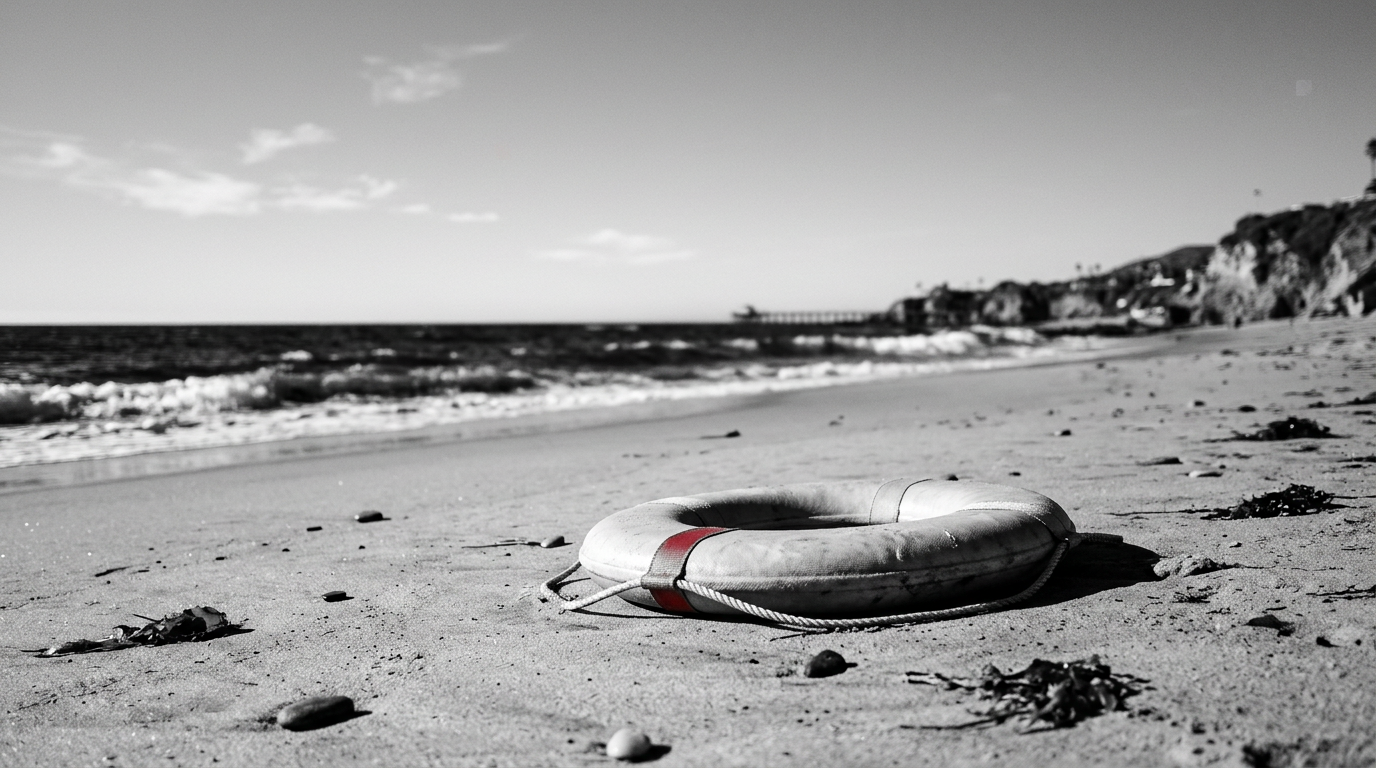
Federal and state agencies across the United States have issued urgent water safety advisories following a surge in fatal drowning incidents. These warnings coincide with an extended period of high temperatures, prompting more individuals to seek relief in natural waterways. Officials are highlighting the elevated risks associated with swimming in lakes, rivers, and coastal areas, particularly given the significant temperature differences between hot air and cooler water bodies.
Recent fatalities reported in California, including locations such as Santa Cruz and Laguna Beach, have been linked to factors like turbulent wave conditions and unexpectedly cold water. The increase in drownings is directly attributed to the physiological impact of cold shock, which can occur when entering water below 70 degrees Fahrenheit (21 degrees Celsius), even as air temperatures soar. This rapid temperature change can induce involuntary gasping, respiratory distress, and quick physical exhaustion, affecting even experienced swimmers.
Understanding Cold Shock and Environmental Hazards
The physiological responses to cold water can be further complicated by unpredictable rip currents and sudden variations in water depth. Officials underscore that environmental conditions can vary greatly from one location to another, meaning prior experience at one site may not translate safely to another. The Park Service advises the public to consistently wear life jackets when near or in water, avoid consuming alcohol before swimming, and critically, to refrain from attempting bystander rescues.
Historical data indicates that unassisted rescue attempts by bystanders frequently result in additional casualties, escalating a single incident into multiple tragedies. To mitigate risks during what is typically the peak drowning season, running from April through September, authorities recommend several preventative measures. Data from the Centers for Disease Control and Prevention (CDC) consistently shows a nationwide rise in drowning deaths during these months.
Implementing Critical Safety Measures
Swimmers are strongly encouraged to learn about and recognize hazards such as rip currents. These powerful, fast-moving channels of water can swiftly pull individuals away from the shore. Instead of directly entering the water to assist someone in distress, officials strongly advise remaining on shore, maintaining clear visual contact with the individual, and immediately alerting professional emergency responders.
This approach prioritizes the safety of potential rescuers while ensuring that trained personnel can manage dangerous situations effectively. Public awareness campaigns are being intensified to educate individuals about these crucial safety protocols. The ongoing heatwave continues to drive more people to seek aquatic relief, inadvertently increasing their exposure to these dangers. Authorities are working to disseminate information through various channels, emphasizing the importance of preparation, awareness of local conditions, and adherence to established safety guidelines.
Communities are also re-evaluating local regulations and resource allocation to enhance their response capabilities for water-related emergencies during this high-risk period. These alerts are not confined to specific regions but represent a national concern, with particular focus on areas known for strong currents or variable water temperatures. The primary is to educate the public about hidden dangers that may not be immediately apparent, despite warm air temperatures. While seasonal warnings are common, their urgency has been amplified by the recent increase in reported incidents, reinforcing the need for vigilance and responsible behavior around water.