Niger Palace Clash Reveals Military Instability
Military insurgents attempted to breach Niger's presidential palace in Niamey, escalating internal security concerns for the ruling junta.
Lauren Collins ·
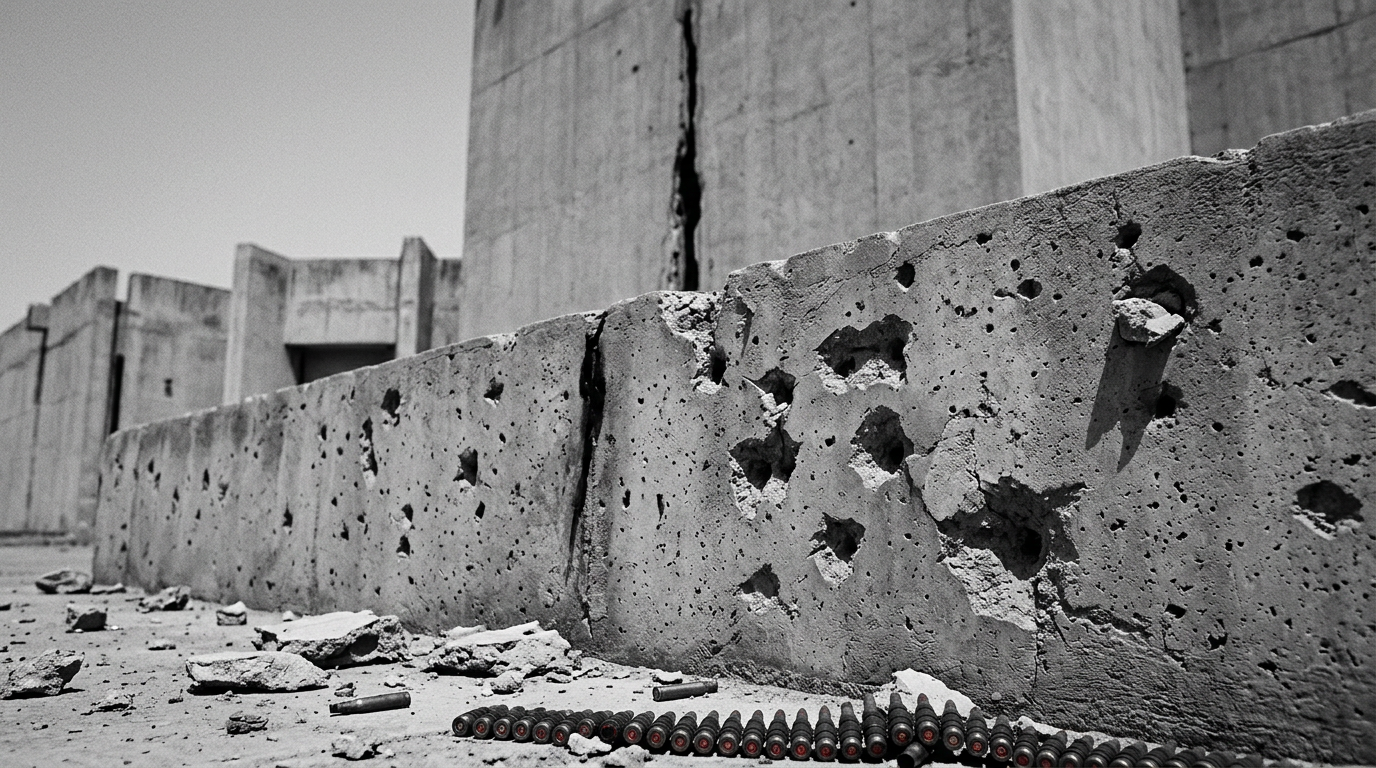
Armed clashes erupted in Niger's capital, Niamey, on Saturday after military insurgents attempted to gain entry to the presidential palace. The presidential guard successfully repelled the initial assault, maintaining secure control over the government facility, according to initial reports.
Following the failed attempt at the palace, security forces launched operations to secure a military base located near Niamey's airport. Mutineers reportedly seized personnel at this facility, significantly heightening the internal security crisis in the West African nation. The exact number of hostages and their condition remain unconfirmed.
Internal Military Divisions Highlighted
An African diplomat based in Niamey indicated that the presidential guard, responsible for the security of the head of state, continues to demonstrate loyalty to General Abdourahamane Tiani. General Tiani currently leads the military junta that has been in power since July 2023, when it overthrew the democratically elected government of President Mohamed Bazoum.
This incident underscores significant internal divisions within Niger's armed forces. Such fragmentation presents a critical challenge for the ruling military junta, which has grappled with persistent regional security issues and ongoing jihadist violence across the Sahel region for the past decade. The stability of the current military leadership is directly jeopardized by these internal conflicts.
Junta's Broader Challenges
The ruling junta, officially known as Council for the Safeguard of the Homeland (CNSP), came to power amidst promises to address insecurity and improve governance. However, it has faced international sanctions and internal pressures, including from some elements within its own military establishment. The coup itself was justified by its leaders as a necessary response to the country's deteriorating security situation, a claim disputed by many international observers and some internal factions.
Niger has been a pivotal country in the fight against Islamist extremism in the Sahel, hosting significant foreign military presences from France and the United States prior to the coup. The recent events further destabilize a nation already struggling with humanitarian crises and complex geopolitical shifts in the region.
Immediate Outlook and Regional Context
Further developments, including the resolution of the hostage situation at the military base and any forthcoming official statements from the junta, will be crucial in shaping the immediate political and security outlook for Niger. This internal unrest occurs against a backdrop of increasing military takeovers in the Sahel, where Mali, Burkina Faso, and Niger have all experienced coups in recent years, forming a new alliance that challenges traditional regional security structures.
The stability of these military regimes often hinges on maintaining a unified front within their armed forces. The clashes in Niamey suggest that such unity may be fracturing, potentially leading to further power struggles and prolonged instability in a strategically vital part of Africa.