

Weather tracker: Unseasonal storms hit parts of Pakistan and India
Unseasonal storms caused 18 deaths in Karachi, Pakistan, and impacted northwest India, while a severe heatwave intensified across the western US.
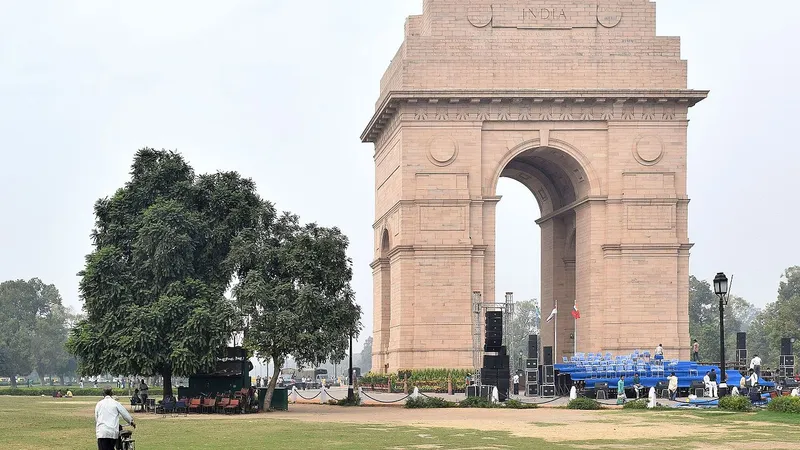
Severe unseasonal storms struck southern Pakistan and northwestern India on Wednesday, resulting in at least 18 fatalities in Karachi, Pakistan. The metropolitan area experienced significant rainfall and high winds, causing widespread disruption and infrastructure damage. Concurrently, a substantial heatwave has developed across the western United States, with temperatures projected to peak over the weekend.
Karachi, a major Pakistani city, recorded over 50mm of precipitation and wind gusts reaching 60mph. These conditions led to structural failures, extensive flooding, and widespread power outages across the city. The unexpected intensity of the weather event has raised concerns about urban resilience and disaster preparedness in the region.
Regional Weather Impacts
Neighboring Indian states of Gujarat and Rajasthan also experienced rainfall, though generally less severe than in Pakistan. Most areas in these provinces reported less than 15mm of rain, with the city of Rajkot being an exception, registering 38mm. Agricultural communities in these Indian regions have voiced concerns regarding potential damage to crops and disruptions to the ongoing harvest season.
Western US Heatwave Escalates
Meanwhile, a significant heatwave has intensified across the western United States throughout the current week. Temperatures are expected to reach their highest points on Friday and Saturday. This weather pattern is attributed to a meandering jet stream and a persistent high-pressure system, which has trapped a mass of warm air over the region.
Maximum temperatures across the Southwestern United States are consistently exceeding 30 degrees Celsius, representing an increase of approximately 10 to 15 degrees Celsius above typical seasonal averages. Indio, California, recorded a temperature of 42.2 degrees Celsius on Thursday, establishing new March records at several local weather stations.
Record Temperatures Expected
Phoenix, Arizona, is forecast to experience temperatures above 40 degrees Celsius for three consecutive days, from Thursday through Saturday. This sustained heat could potentially surpass the city's existing April temperature record. Further north, Denver, Colorado, is predicted to reach over 30 degrees Celsius on Saturday, nearly 20 degrees Celsius higher than its seasonal average for this time of year.
This heatwave is not expected to dissipate quickly; forecasts indicate it will persist into the following week, gradually extending its influence eastward across the United States. The dual weather phenomena highlight the increasing variability and intensity of global weather patterns, posing challenges for infrastructure, agriculture, and public health across affected regions.
Implications
Country Impact: Pakistan faces immediate challenges in disaster response and infrastructure repair following the storms. India's agricultural sector in affected regions may experience economic losses due to crop damage. The US heatwave poses public health risks and increased energy demand.
Industry Impact: The construction and infrastructure sectors in Karachi will likely see increased activity for repairs. Agriculture in northwest India could face disruptions and financial strain. Energy utilities in the western US will experience heightened demand for cooling, potentially straining grids.
Market Impact: Local markets in Karachi may see price volatility for essential goods due to supply chain disruptions. Agricultural commodity markets in India could react to potential crop losses. Energy futures in the US might reflect increased demand, while insurance sectors could face claims from both storm and heat-related damages.
More stories
- Dunkin' Outlet Faces Scrutiny After Viral Mouse Video
- Fatal shooting incident reported in Istanbul's Bagcilar district
- Chess Grandmasters Embrace Superstitions for Confidence Boost
- Suspect detained after road rage shooting in Istanbul Esenyurt
- Yasmina El Abd's Paris Fashion Week Recap Draws Attention
- Prince Harry recounts depression during 2019 royal break
- Los Angeles man blinded by officer’s projectile at anti-ICE protest, claim says
- Natural History Museum tops UK attraction list with record visitors
- Texas Man Stops Runaway SUV on Loop 410
- Falcons Player James Pearce Jr. Faced Prior Harassment Claims
Latest news
- EA buyout lifts games M&A to $57.8 billion in Q3
- Nasdaq 100 breaks support as US indexes retreat
- Trump faces six-day tariff deadline with no public notice
- Saudi airport attack kills 13, strains missile defenses
- Tibidabo marks 125 years as Barcelona landmark
- Ollie Pope Exits Afghanistan Premier League Draft Amid Scrutiny
- Moto X lands on modern platforms Oct. 16 at $5.99
- Eisman says S&P 500’s AI exposure tops 65%