‘We need to think much bigger’: trade minister calls for greater ambition in UK-EU reset
The UK is advocating for a more ambitious and comprehensive trade framework with the EU, aiming to boost exports and align regulations.
Lauren Collins ·
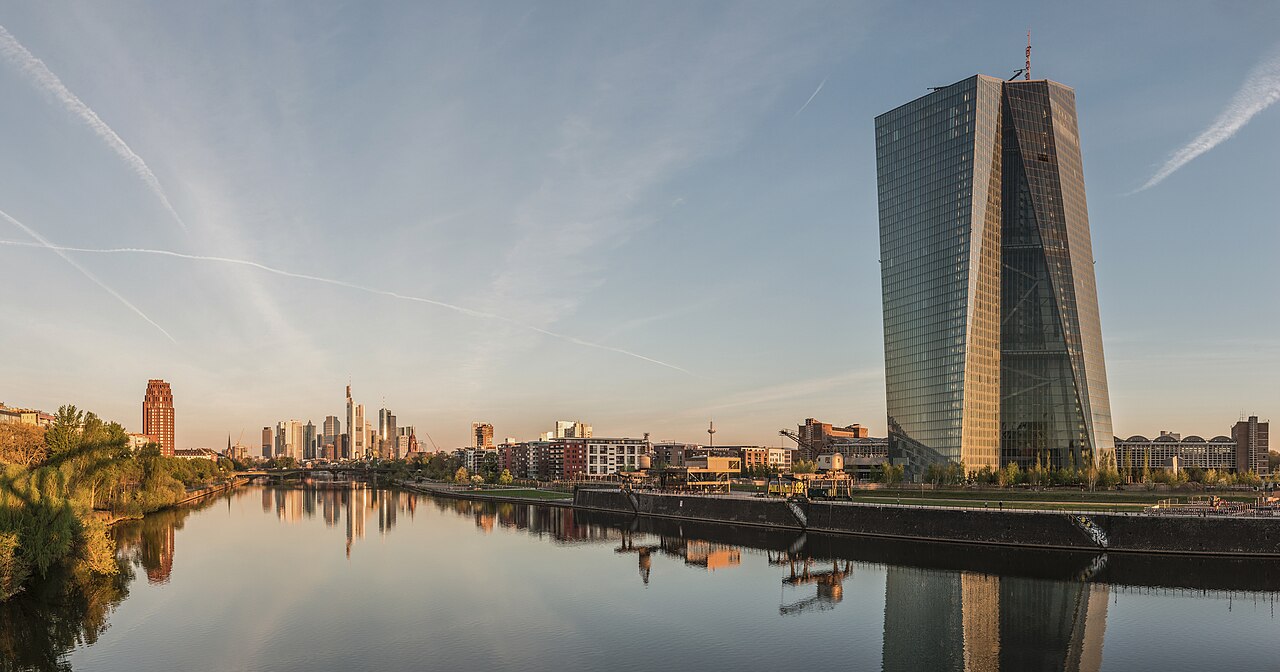
United Kingdom officials are advocating for a more comprehensive and ambitious trade framework with the European Union, moving beyond the existing incremental agreements. This push, articulated by Trade Minister Chris Bryant during recent visits to Brussels and Paris, aims to enhance economic opportunities and regulatory alignment between the two blocs.
The current "piecemeal" approach is deemed insufficient, with calls for a more integrated strategy to boost exports, particularly in key sectors such as medical devices and chemicals.
### Calls for Deeper Economic Integration
### Calls for Deeper Economic Integration
During the EU-UK parliamentary partnership assembly in Brussels, European Commissioner for Trade Maroš Šefčovič indicated a potential for a broader, Swiss-style agreement. Such an arrangement would involve dynamic regulatory alignment across multiple sectors, suggesting a more integrated approach than the current Trade and Cooperation Agreement (TCA).
Chancellor Rachel Reeves has also publicly supported "deeper integration" between the UK and the EU, reflecting a growing sentiment within certain UK political circles that a more robust economic partnership is essential for future prosperity.
### Persistent Obstacles to Progress
### Persistent Obstacles to Progress
Despite these calls for increased ambition, progress on specific bilateral issues remains slow. Discussions regarding youth mobility, for instance, have encountered an impasse. A primary sticking point is the EU's requirement for its citizens to pay home fees when attending UK universities, a condition the UK has not yet accepted.
Similarly, negotiations for a sanitary and phytosanitary (SPS) agreement, initiated in May, faced delays, with EU member states not granting a mandate for these talks until November. This highlights the protracted nature of diplomatic processes and the complexities involved in achieving consensus.
### Economic Rationale for Expanded Trade
Minister Bryant emphasized the significant economic benefits that could result from a more integrated trade relationship. He suggested that increasing the proportion of British businesses engaged in exporting, from the current one in ten to levels comparable with France or Germany (two or three in ten), could substantially transform the UK's economic outlook.
This initiative reflects a broader recognition within the UK government of post-Brexit economic challenges and the potential for closer ties with the EU to mitigate some of these impacts. The focus is on unlocking new trade avenues and reducing non-tariff barriers that have emerged since the UK's departure from the bloc.