Pakistan Intensifies Airstrikes in Afghanistan
Pakistan has intensified airstrikes in Afghanistan to pressure the Taliban on militant groups, raising regional tensions and concerns over stability.
Lauren Collins ·
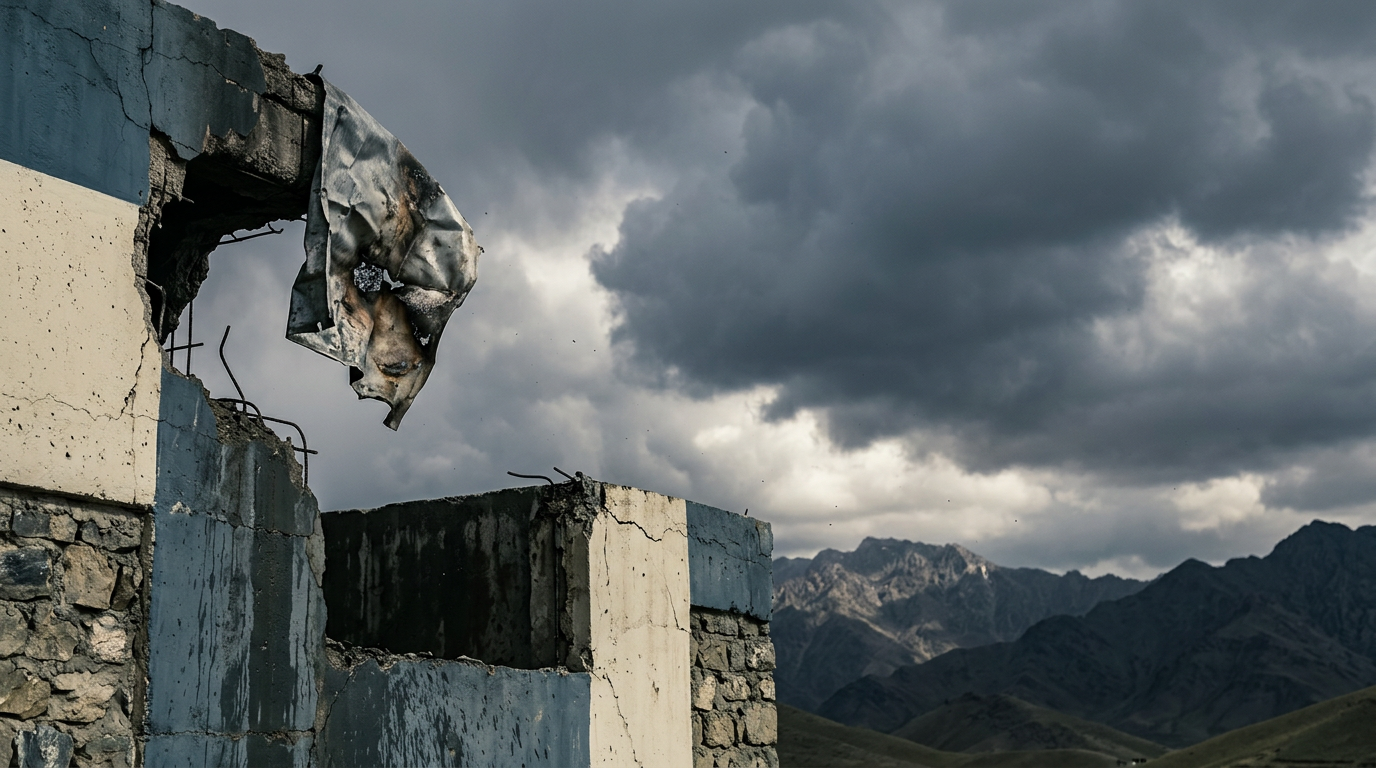
Pakistan has increased its aerial military operations against targets within Afghanistan, a move aimed at pressuring the Taliban administration to curb support for militant groups operating against Pakistan. This escalation follows a series of cross-border attacks that Islamabad attributes to militants harbored in Afghanistan since the Taliban's return to power in 2021.
Afghan authorities reported an airstrike in Kabul on Tuesday, claiming it hit a drug rehabilitation facility and caused numerous casualties. Pakistan, however, denied these specific claims, asserting its operations targeted "military and terrorist infrastructure" within Afghanistan. Islamabad maintains these actions are defensive measures based on intelligence, designed to safeguard its citizens from further militant incursions.
Escalation of Cross-Border Tensions
The recent military actions, reportedly part of an operation dubbed "Righteous Fury" launched late last month, signify a shift in Pakistan's strategy. The objective is to impose significant consequences on the Taliban to deter future cross-border attacks into Pakistani territory. This approach comes after diplomatic efforts, including mediation by China and Middle Eastern countries, reportedly failed to resolve the issue through negotiation.
Taliban Response and Regional Dynamics
The Taliban administration has strongly condemned the airstrikes, characterizing them as a violation of Afghanistan's sovereignty. They have also indicated the possibility of retaliatory measures, raising concerns about a potential escalation of hostilities between the two neighboring nations. The ongoing tensions complicate regional stability and humanitarian efforts.
Broader Policy Measures
Beyond military action, Pakistan has implemented other measures, including closing border crossings and expelling Afghan refugees. These non-military tactics are also part of Islamabad's broader strategy to exert pressure on the Taliban to address its security concerns. Pakistani officials emphasize that these actions are necessary to protect national security interests.
Analytical Perspectives and Risks
Analysts suggest that while Pakistan's objective is to deter militancy, the current military escalation carries inherent risks. There is a significant concern that these actions could lead to a prolonged cycle of violence, potentially destabilizing the already fragile regional security landscape. The lack of a clear diplomatic resolution pathway further exacerbates these concerns, highlighting the complex challenges in managing cross-border militancy and sovereignty disputes.
Implications
Country Impact: The escalating military actions risk further destabilizing the Afghanistan-Pakistan border region, potentially leading to increased humanitarian challenges and refugee flows. Both nations face internal security threats that could be exacerbated by prolonged cross-border conflict.
Industry Impact: Increased regional instability could disrupt trade routes and supply chains that traverse Afghanistan and Pakistan, impacting logistics and cross-border commerce. Energy projects and infrastructure development in the region may also face heightened security risks.
Market Impact: Geopolitical tensions between Pakistan and Afghanistan could introduce uncertainty into regional markets, potentially affecting investor confidence in both countries. Currency fluctuations and bond yields may react to perceived increases in political risk.