Washington DC historic-boundary dataset now available on Open Data DC
Explore DC's historic boundary with our machine-readable dataset. Ideal for planners, preservationists, researchers & the public for mapping & policy.
Sophie McAlister ·
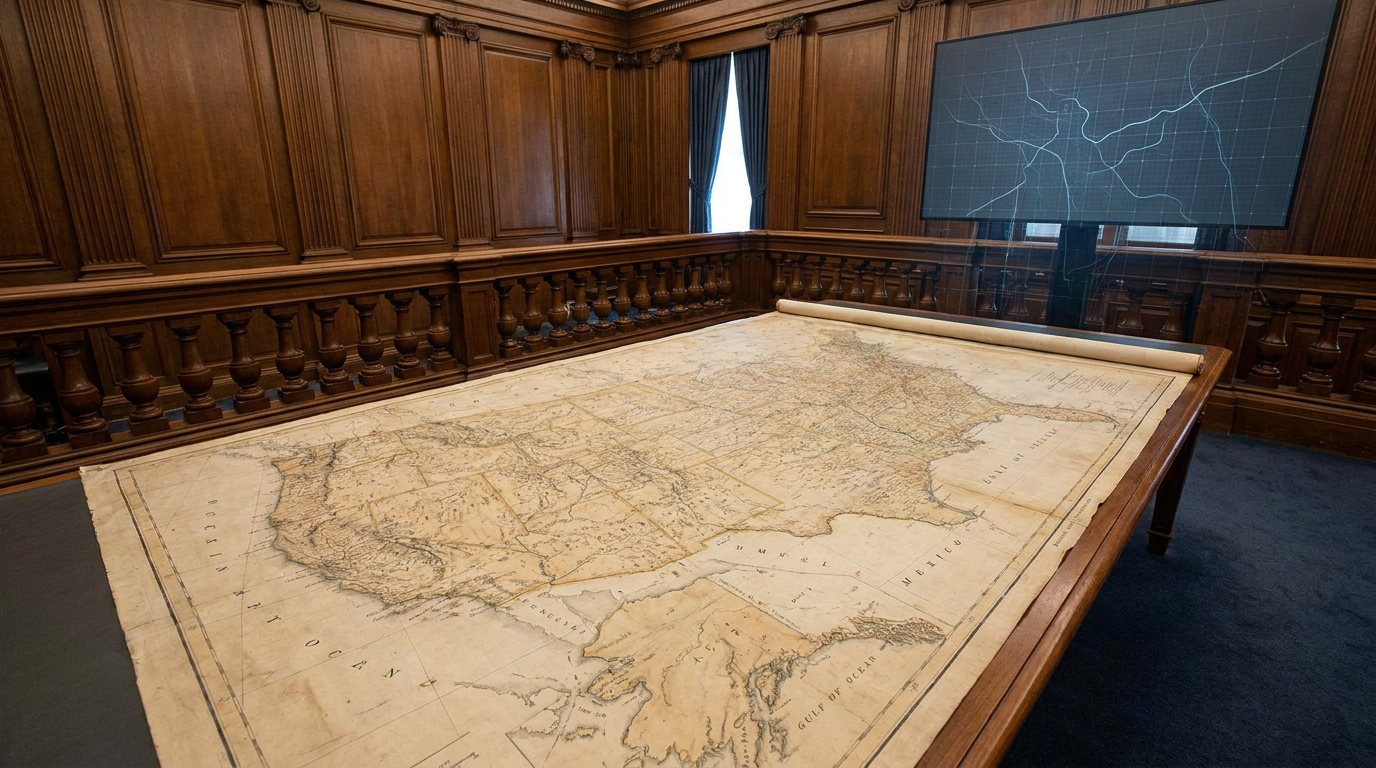
Open Data DC has made a dataset outlining Washington, D.C.'s historic boundary available through the city's open data portal. The dataset provides a digital polygon that defines the historic boundary of the District and is published for public use on the government portal.
According to the Open Data DC listing, the dataset is intended to be used by planners, historic-preservation professionals, researchers and community groups who need a precise, machine-readable representation of the city's historic limit. The file is hosted on Open Data DC and can be downloaded or accessed through the portal's APIs for integration into mapping applications and geographic information systems.
Open Data DC
The entry on Open Data DC notes that the dataset is part of the city's broader open-data program, which publishes municipal geographic and administrative information for reuse. The historic-boundary dataset joins other civic geodata sets used in urban planning, property research and heritage projects across the District. Open Data DC datasets are typically updated and maintained by District agencies and distributed under open-use terms.
The portal listing includes metadata about the dataset and links to the data download and API endpoints, enabling GIS teams and developers to incorporate the boundary into maps, analyses and public-facing visualizations. The release complements other municipal data that help local officials, neighborhood groups and developers make decisions tied to zoning, preservation and cultural resources.