UN court rejects Ratko Mladić request for provisional release
A UN court denied Ratko Mladić's release request, citing high-quality care in detention despite his critical health.
Lauren Collins ·
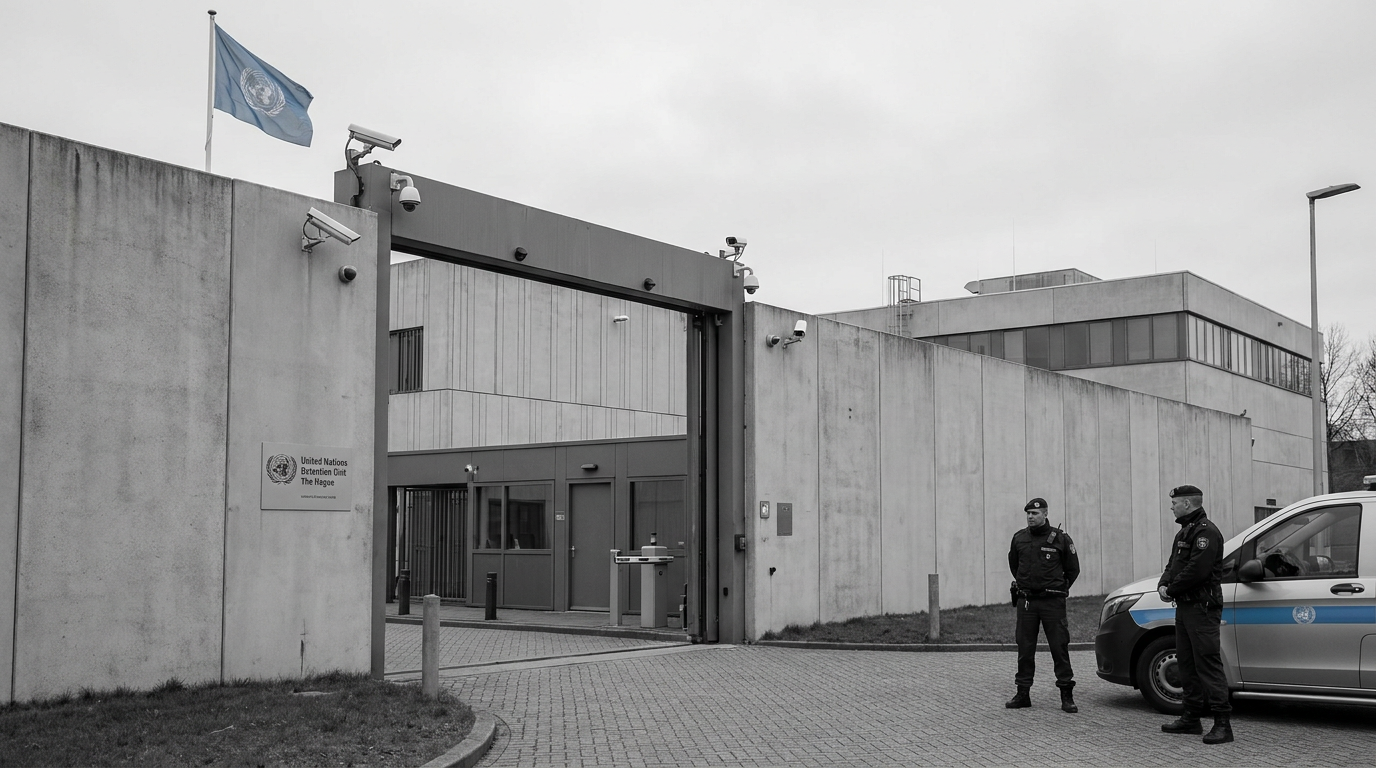
A United Nations court in The Hague on Thursday rejected a request from convicted Bosnian Serb commander Ratko Mladić for provisional release from custody, citing medical care available in the Netherlands. Mladić, 84, had sought to leave the UN detention unit on health grounds after his lawyers said he suffered a suspected stroke and faces a high risk of imminent death.
The court said the detention unit and its hospital can meet his needs and ensure his comfort. The ruling was issued in writing.
Mladić has been in UN custody since 2011. He was sentenced to life imprisonment in 2017 for genocide, war crimes and crimes against humanity committed during the 1992-1995 Bosnian war, a verdict that was upheld on appeal in 2021.
In its decision, the court said he is in the final stages of his life but continues to receive “comprehensive and compassionate treatment” from qualified medical staff. The judge said conditions at the UN prison and its hospital are of sufficiently high quality that his comfort can be “maximally ensured.”
The ruling also noted an “exceptional visitation regime” that allows frequent contact with friends and family, including the possibility of family members being present during his final moments. The court said there is no additional treatment available elsewhere that is not available in the Netherlands.
Defense bid sought transfer to Serbia
Mladić’s lawyers asked the court to allow his provisional or conditional release to a hospital or hospice in Serbia, arguing his health has deteriorated sharply. They said he has been bedridden or in a wheelchair for a long time and that the suspected stroke left him almost unable to speak.
The defense cited assessments by two doctors describing his condition as serious and the risk of imminent death as high. The legal team also argued that care in a setting where Serbian is spoken would be more suitable at this stage.
What the decision means
The ruling said continued detention remains appropriate because the medical care required can be provided where he is being held. It was not immediately clear whether Mladić could appeal the decision.
Mladić was the commander of Bosnian Serb forces during the 1990s conflict and was convicted at The Hague. The court’s decision keeps him in the UN detention unit under its current medical and visitation arrangements.
Further legal steps, including any potential appeal or renewed health filings, will determine whether the court revisits the terms of his detention.