Dow Jones Convicted in Hong Kong Over Union Interference
A Hong Kong court convicted Dow Jones Publishing for deterring union activities, marking a key legal milestone for labor rights in the region.
Lauren Collins ·
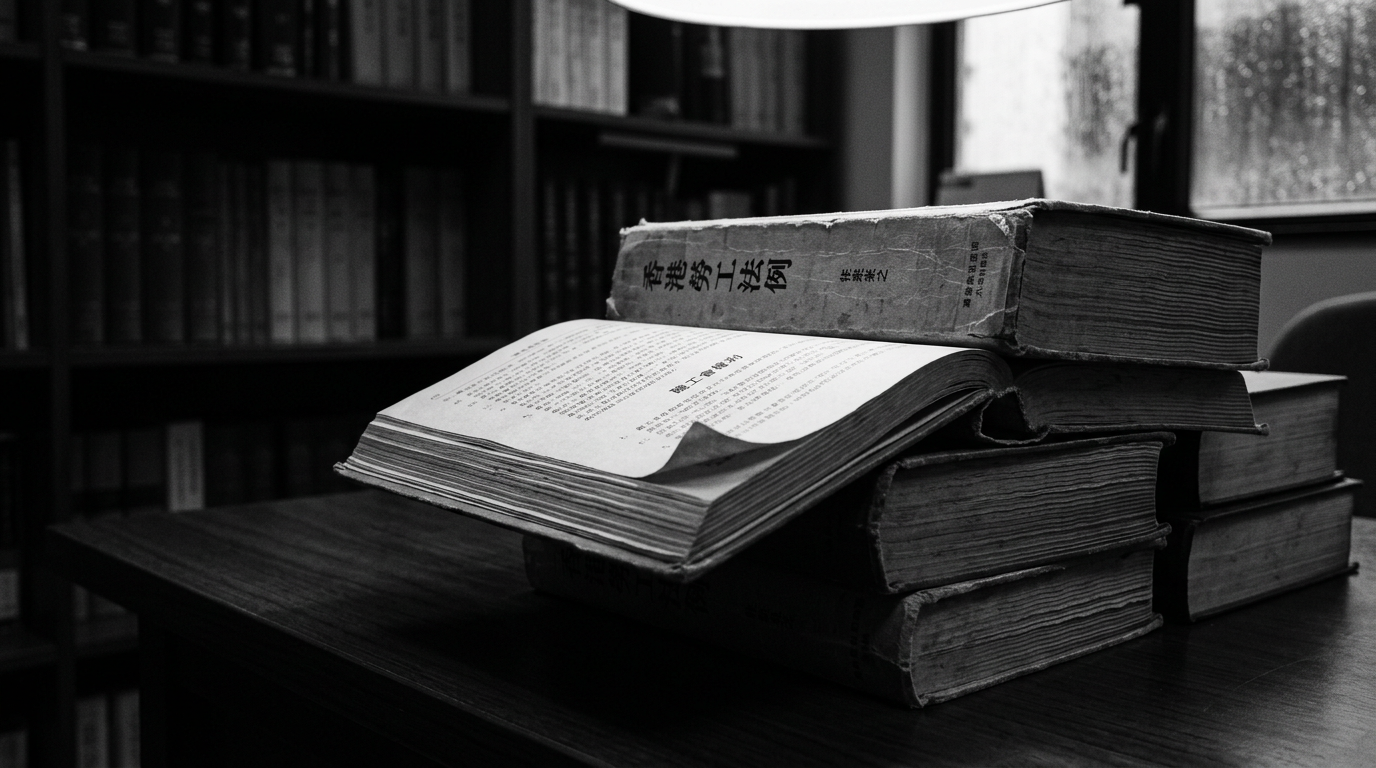
A Hong Kong court convicted Dow Jones Publishing on September 10, 2026, for violating local labor laws by deterring an employee from union participation. The ruling stated that the company's demand for an employee to seek prior approval for a role as chair of the Hong Kong Journalists Association constituted an unjustified application of internal conduct codes.
While the court found the publisher guilty of preventing the exercise of trade union rights, it acquitted Dow Jones of a separate discriminatory dismissal charge. The defense had argued the termination resulted from corporate restructuring; however, the court rejected this as the primary motivation for the action.
Precedent for Labor Rights
This ruling establishes a legal precedent concerning the This ruling establishes a legal precedent concerning the intersection of corporate internal policies and constitutionally protected labor rights within Hong Kong. The verdict highlights increasing regulatory and political pressure on international media organizations operating in the territory.
Sentencing for the conviction is pending, with the maximum penalty for the offense set at HK$100,000, which equates to approximately $12,750 USD. The Wall Street Journal, published by Dow Jones, maintained there was no link between the employee's union role and her termination, stating it advocates for press freedom.
Shrinking Press Freedom The case follows increased concerns among journalists operating in Hong Kong's increasingly restricted media environment. Foreign outlets have traditionally faced less pressure than local news organizations, but the legal action indicates a shifting landscape.
Hong Kong's press freedom ranking dropped 67 places to 140th out of 180 countries and territories by 2026, down from 73rd in 2019, according to Reporters Without Borders. This decline occurred after Beijing imposed a national security law in 2020, leading to increased pressure on organizations like the Hong Kong Journalists Association, which is the city's oldest journalist union, established in 1968.
The outstanding question is how the penalty will influence internal policies at international companies operating in Hong Kong, particularly regarding employee participation in local associations and unions.