Anak Krakatoa Eruption Grounds Jakarta Flights
Volcanic ash from Anak Krakatoa forced Soekarno-Hatta International Airport to suspend 209 flights, impacting 22,000 passengers, on Sunday.
Lauren Collins ·
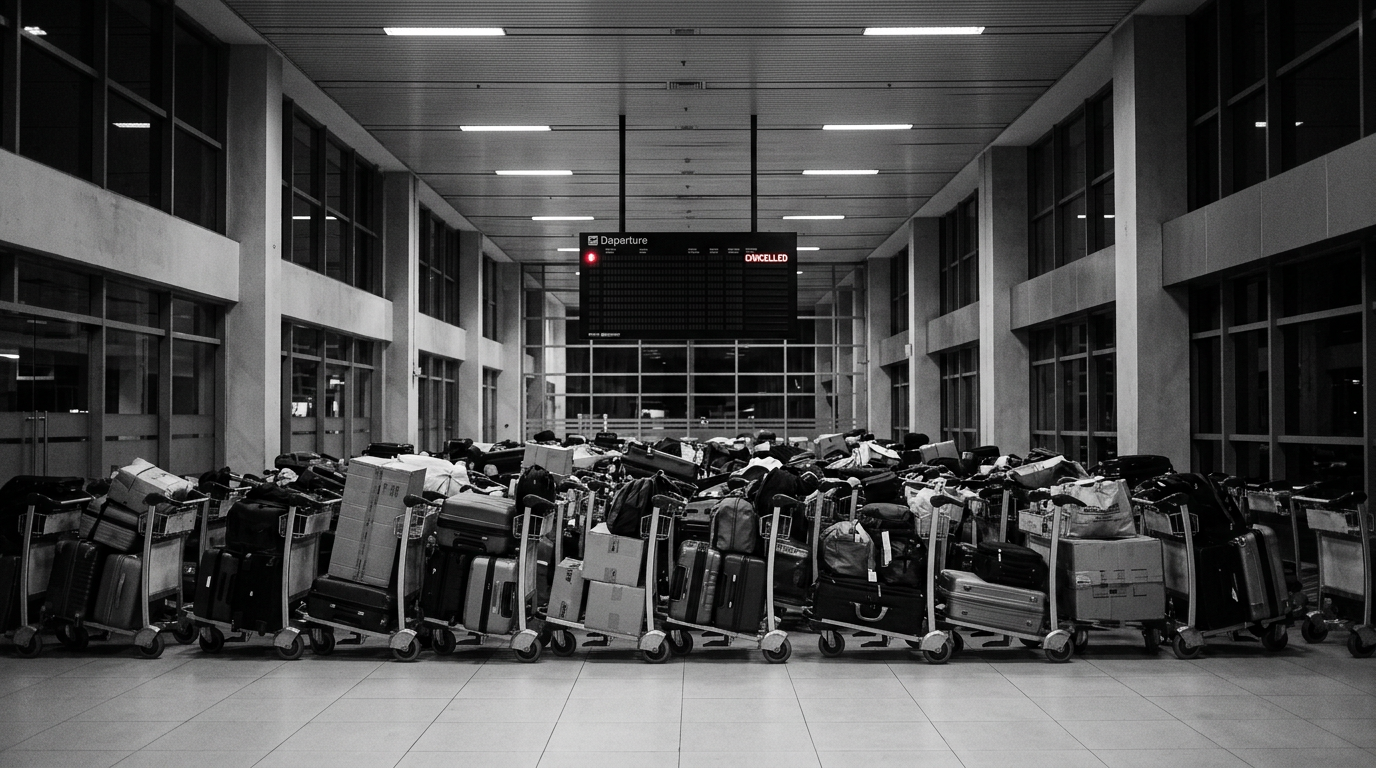
Indonesian aviation authorities on Sunday temporarily halted 209 flights at Jakarta's Soekarno-Hatta International Airport. This measure followed intensified volcanic activity from Mount Anak Krakatoa, which began erupting late Friday and escalated with further events on Sunday morning. The suspensions were put in place to protect aircraft from airborne ash plumes drifting across the Sunda Strait.
The flight disruptions impacted approximately 22,000 passengers. Several major international routes, including services to Singapore, Doha, Sydney, and Kuala Lumpur, experienced significant delays or outright cancellations. Transport officials initially extended the operational pause until 13:30 local time (0630 GMT) as they closely monitored the patterns of ash dispersal to ensure aviation safety.
Aviation Safety and Seismic Conditions
The primary concern for aviation safety stems from the risk of volcanic particulates entering and damaging jet engines, a critical threat to aircraft operation. While seismic activity around Anak Krakatoa remains elevated, officials have confirmed that no tsunami warnings are currently active for the surrounding coastal areas, providing some relief regarding immediate coastal hazards.
This incident highlights the inherent vulnerabilities of transit hubs located within the Pacific Ring of Fire, a region globally recognized for its high frequency of volcanic and seismic events. Anak Krakatoa, meaning "Child of Krakatoa," has exhibited intermittent activity since its emergence from the sea around the turn of the 20th century. It formed within the caldera left by the catastrophic 1883 eruption of its predecessor, Krakatoa.
Regional Impact and Future Outlook
In response to the ash fallout, health officials have advised residents in the immediate vicinity of the volcano to utilize protective equipment to minimize exposure to volcanic debris. This precautionary measure underscores the persistent geological challenges faced by communities and infrastructure in the region, which remain under continuous observation.
The immediate prospects for air travel normalization depend heavily on the intensity and duration of volcanic emissions. Meteorological forecasts suggest that if the ash plumes dissipate as expected, flight operations could gradually return to normal, thereby reducing further passenger inconvenience and allowing airlines to resume regular schedules. Conversely, a sustained period of heightened activity or more forceful new eruptions would necessitate extended flight bans. Such a scenario could force the rerouting of international cargo and passenger traffic through alternative regional airports, potentially increasing operational costs for carriers and extending travel times for passengers.
A prolonged disruption would also serve as a significant test of Indonesia's aviation infrastructure resilience and its preparedness for natural disasters. This, in turn, could have wider implications for regional trade flows and economic stability.