Fatal Mine Collapse Exposes South Africa's Illicit Chrome Risks
A fatal mine collapse near Rustenburg, South Africa, highlights severe dangers and criminal exploitation in the nation's illicit chrome trade.
Lauren Collins ·
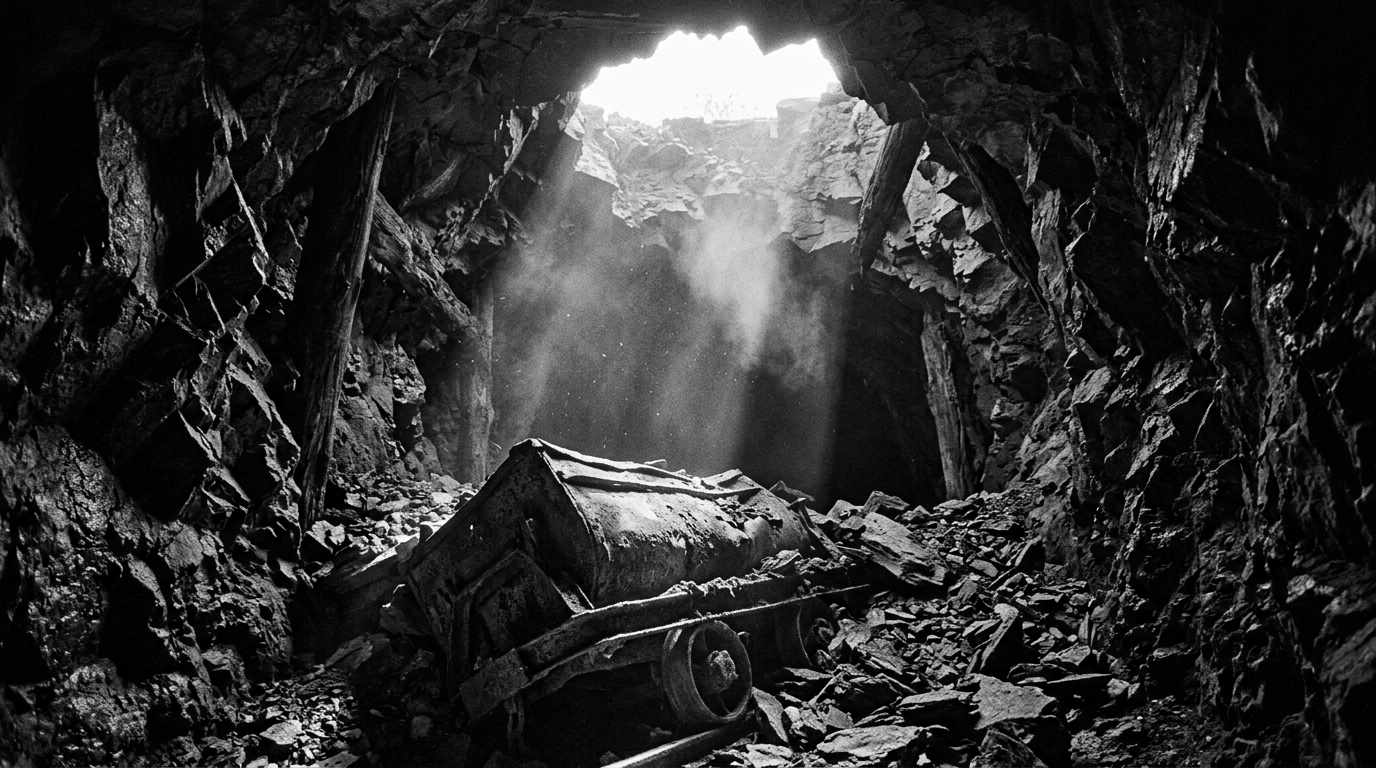
A recent mine collapse near Rustenburg, South Africa, resulted in the deaths of 14 miners, drawing critical attention to the dangerous conditions prevalent within the country's expanding illicit chrome mining sector. The tragic incident, which occurred on August 13 in the North West province, underscores how criminal organizations leverage vulnerable populations, including undocumented migrants and unemployed individuals, to fuel illegal operations.
The region, a significant part of the Bushveld Igneous Complex, possesses chrome deposits close to the surface. This geological feature substantially reduces operational costs for criminal syndicates, making illicit extraction highly profitable. These groups often recruit workers from neighboring countries like Lesotho, Zimbabwe, and Mozambique, providing basic tools and explosives. In exchange, they demand a significant portion of the extracted ore, often trapping laborers in debt bondage within unmonitored and hazardous mine shafts.
Challenges in Enforcement and Regulation
South African authorities have launched initiatives aimed at rehabilitating abandoned mine sites. However, the scope of the illicit mining crisis continues to overwhelm these enforcement efforts. Experts point to widespread regional poverty, high unemployment rates, and weak regulatory oversight as key factors perpetuating the steady supply of labor for these dangerous activities. As long as these underlying economic pressures persist, illicit mining remains a primary revenue source for organized criminal networks.
This situation presents a persistent threat to worker safety and complicates effective management of South Africa's vital mineral resources. The illicit trade also undermines the formal mining sector, which operates under strict regulations and safety standards.
Global Chrome Market Dynamics
South Africa is a dominant global producer and exporter of chrome, with its ore critical for international supply chains, particularly the stainless steel industry in China. The formal mining industry coexists with these growing illicit operations, which law enforcement officials have linked to organized crime, violence, and sophisticated illicit financial networks. The nation faces a complex challenge: balancing its role as a key global commodity provider with the urgent need to combat criminal exploitation.
The continued operation of illegal mines not only poses direct dangers but also introduces environmental risks and financial instability. Without effective state intervention, the informal economy associated with illicit mining can expand, further entrenching criminal influence and hindering legitimate economic development.
Outlook for the Illicit Mining Sector
Should economic pressures in the region intensify and enforcement efforts remain insufficient, the illicit chrome trade is expected to grow. This trajectory would likely lead to more fatalities and a deeper entrenchment of criminal power. Conversely, increased government investment in mine rehabilitation and robust social programs could diminish the pool of vulnerable workers. Such measures would consequently curtail illegal operations by removing their primary labor source.
The immediate future of this sector depends heavily on the dynamic interplay between persistent poverty and the effectiveness of governmental and regulatory interventions. Addressing the root causes of vulnerability is critical to disrupting the criminal enterprises that exploit these hazardous conditions.