Mideast Tensions Drive Up US Wholesale Energy Costs
Iran conflict lifts U.S. wholesale energy prices as Strait of Hormuz risks raise crude premiums, with potential gasoline impacts in coming weeks.
Atlas Newsdesk ·
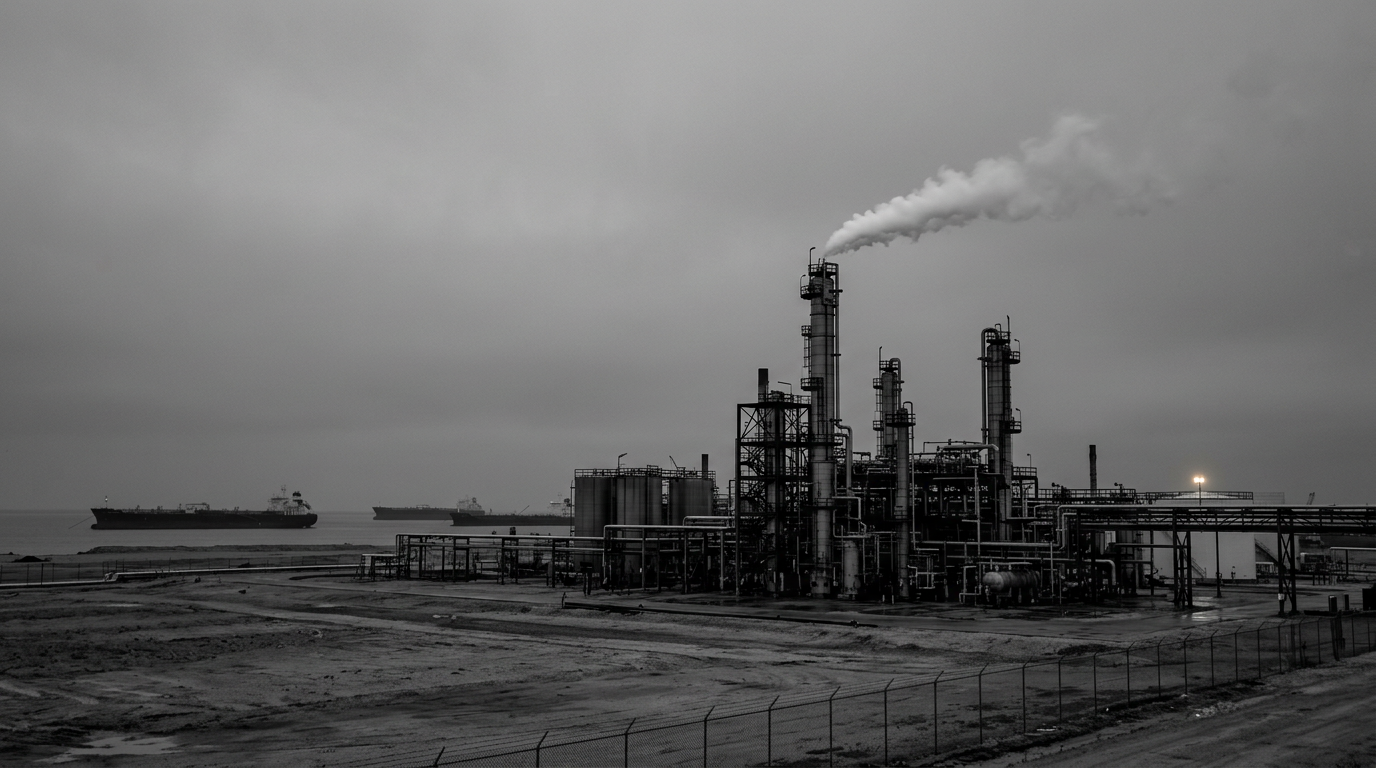
U.S. wholesale energy prices rose on April 18, 2026 , as markets reacted to heightened tensions involving Iran that increased perceived risks to global oil flows. The move reflects a higher risk premium being priced into crude oil, which typically feeds into the cost of refined fuels and other petroleum-linked products.
Officials and market participants pointed to recent actions involving Iranian gunboats firing on a tanker in the Strait of Hormuz, alongside Iran’s reimposition of restrictions in the area. The Strait of Hormuz is widely treated by energy traders as a critical chokepoint for seaborne oil shipments, and any incident there can quickly shift pricing expectations even before physical supply is disrupted.
Data cited in the market context underscores why the Strait of Hormuz draws outsized attention: approximately one-fifth of the world’s total oil consumption passes through the route each day. Because that volume is so large, even the perception of increased danger to shipping can trigger sharp swings in international oil markets, with price changes transmitted rapidly into wholesale energy benchmarks.
In the United States, the immediate effect described by market observers is an upward adjustment in wholesale energy prices. The mechanism is straightforward: when crude becomes more expensive due to a higher risk premium, refiners and fuel distributors face higher input costs, which can lift wholesale prices for gasoline and other refined petroleum products.
What happened is centered on the Persian Gulf security situation and its impact on oil-market risk assessments. What it means for households and businesses is that higher wholesale prices can move through the supply chain, potentially raising consumer prices for gasoline and other energy-dependent goods in the coming weeks, depending on how long elevated wholesale costs persist.
The outlook remains uncertain because the duration and scale of the price impact are tied to whether the conflict de-escalates or intensifies in the region. If tensions ease, the risk premium embedded in crude prices could diminish; if they worsen, volatility could remain elevated, keeping wholesale energy prices under upward pressure.
Beyond the U.S. market, the episode highlights how developments around a single maritime corridor can influence energy pricing globally. With a significant share of daily oil consumption moving through the Strait of Hormuz, shifts in perceived supply stability can ripple across international crude markets and, by extension, affect fuel costs and inflation-sensitive categories in multiple economies.