Inflation Fears Mount Ahead of March CPI Report
U.S. inflation is projected to jump in March CPI on April 10, 2026, driven by an energy shock linked to the Middle East conflict.
Atlas Newsdesk ·
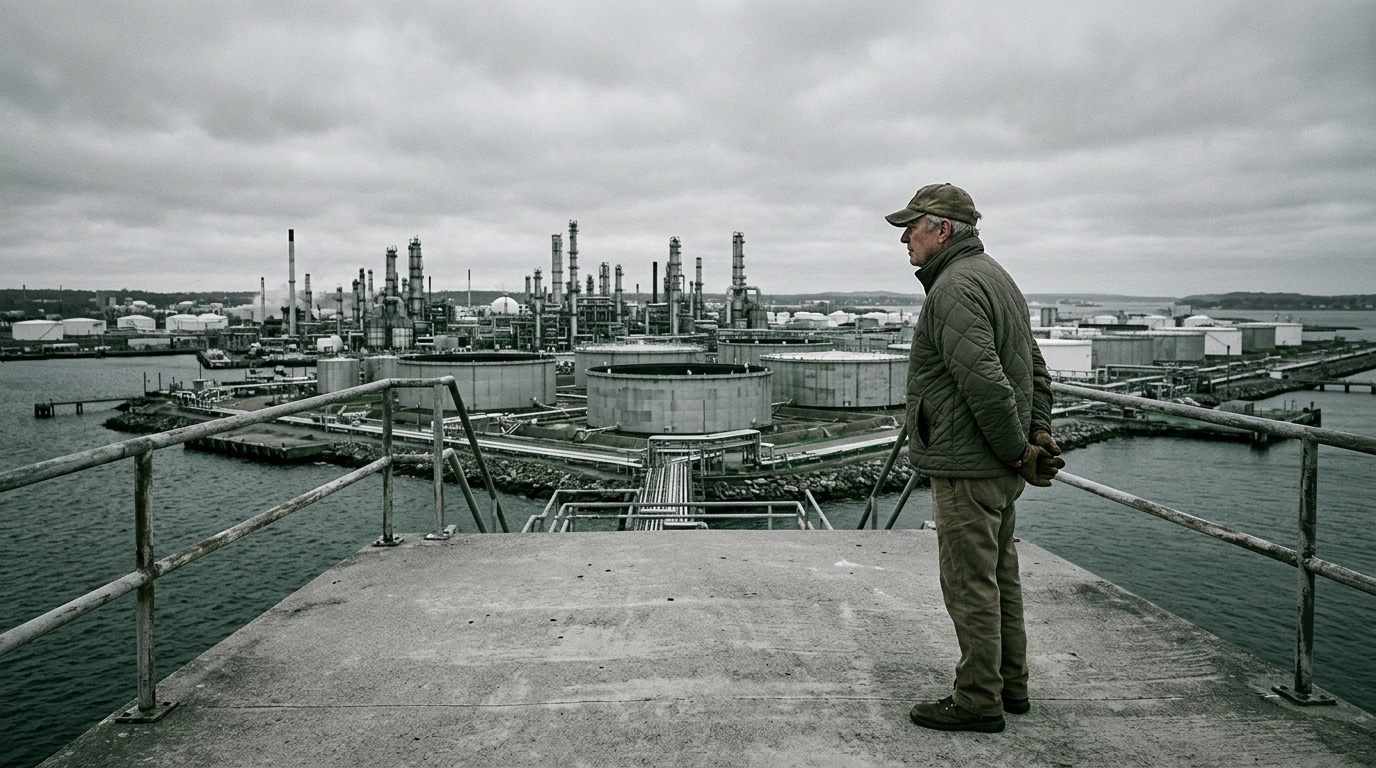
U.S. inflation is expected to accelerate when the Consumer Price Index (CPI) for March is released on Friday, April 10, 2026, with economists pointing to the economic fallout from the Middle East conflict as a key driver.
Economists expect prices to rise 0.9% from February. That pace would be more than three times the rate recorded in January, according to the projections cited. If those estimates are borne out, the year-over-year inflation rate would climb to 3.4% from 2.4%, reaching a level not seen in nearly two years.
The projected jump is being linked largely to an energy shock tied to the conflict, with gasoline prices expected to surge. Pantheon Macroeconomics forecasts a 23% increase in gas prices for March, which it said would be the largest monthly rise on record for that index. The firm also estimates that this gasoline move would make up more than two-thirds of its projected 1% monthly increase in the overall CPI.
Officials and economists expect the energy-driven price changes to spread beyond the pump. The effects are anticipated to pass through to other parts of the economy over the next three to six months, as higher energy costs feed into transportation and other operating expenses. The source material did not specify which categories would be most affected, but it described a broader filtering process across sectors.
For households, the expected inflation burst could materially weaken purchasing power. The projected price increases are described as nearly offsetting the 3.5% average pay gains for Americans, underscoring the risk that wage growth may not translate into stronger real spending if inflation rises as forecast.
While a ceasefire has been reached, the longer-term inflation consequences remain uncertain, according to the source material. It noted that inflation pressures were already building before the war, citing tariff-related price increases and strong consumer demand for services. Those pre-existing forces are now described as intensifying alongside the energy shock.