Fed rate cut outlook dims as inflation stays elevated
Fed rate cut outlook dims as inflation stays elevated and gasoline prices rise, prompting markets to scale back expectations for 2024 easing.
Atlas Newsdesk ·
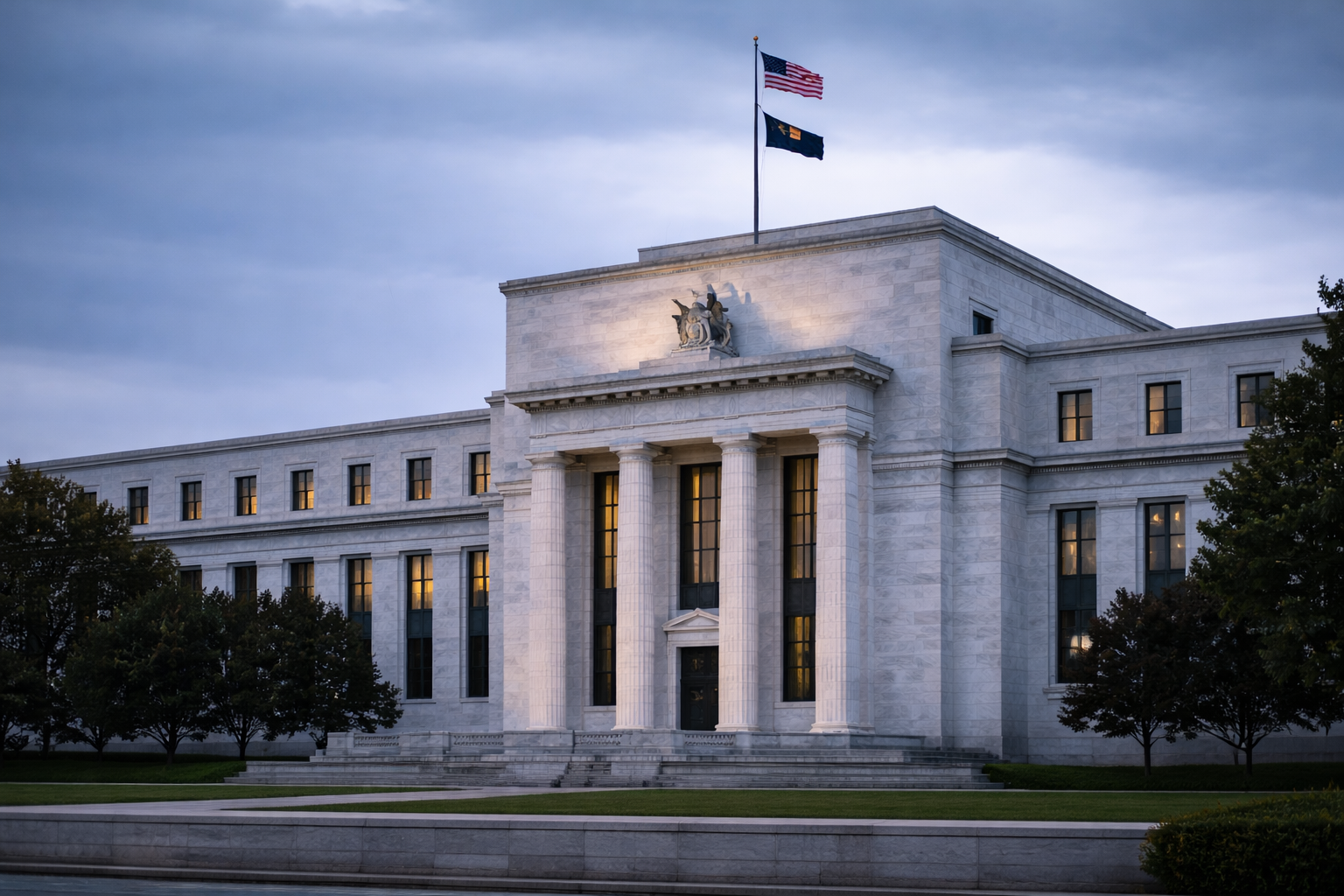
U.S. Federal Reserve rate-cut expectations are fading as inflation remains persistent and gasoline prices rise, developments that are weighing on household budgets and influencing consumer spending.
Recent economic readings have led to a reassessment of how soon the Federal Reserve may be able to lower interest rates. The data has reinforced the view that the central bank could delay the start of any easing cycle or reduce the total number of cuts that had been expected for 2024. If that path holds, borrowing costs may stay high for longer than markets previously assumed.
Inflation remains the central challenge. Consumer prices are described as continuing to move higher, keeping pressure on the Fed’s effort to bring inflation down. At the same time, a noticeable increase in gasoline prices is adding to the strain on household finances, creating another channel through which inflationary pressure can persist.
Those forces are complicating the Fed’s earlier outlook for multiple rate reductions this year. Policymakers are still focused on price stability, and the combination of ongoing inflation and higher energy costs makes it harder to build confidence that inflation is moving sustainably toward the central bank’s goal.
The Fed’s decisions are framed by its dual mandate: maximum employment and stable prices. With inflation still elevated, the path back to the 2% inflation target is described as more difficult, even as the central bank continues to weigh the broader economic backdrop. The current environment underscores the tension between supporting economic activity and ensuring that inflation pressures do not become entrenched.
What it means for markets and the global economy is a shift in expectations. Market pricing for sizable rate cuts has been adjusted, and analysts are now looking for a more gradual approach in the months ahead. For borrowers, that can translate into continued pressure from higher financing costs, while for investors it can reshape assumptions about the trajectory of U.S. yields and the relative appeal of dollar-denominated assets.
Key uncertainties remain. The timing and scale of any policy shift will depend on how inflation evolves and whether energy-driven price increases feed into broader consumer costs. With gasoline prices rising and inflation still a concern, the Fed’s next steps are likely to remain closely tied to incoming data and the balance between its employment and price-stability objectives.