

Oil Executives' Stock Sales Soar Amidst High Energy Prices
Top oil and gas executives divested $1.4 billion in company stock during Q1, setting a record pace and fueling debate on energy profits and market outlook.
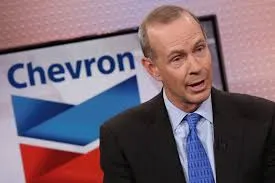
Senior executives at major U.S. oil and natural gas companies engaged in an unprecedented volume of stock sales during the first quarter of the year. An analysis indicates these sales totaled $1.4 billion, marking the fastest pace observed in the last 15 years.
Data reveals that insider sales at approximately a dozen companies reached all-time highs for individual firms. This surge coincided with a period of escalating global energy prices. Consequently, discussions have intensified regarding the beneficiaries of the sector's profitability and the implications of such insider transactions for corporate governance.
Key Executive Transactions
Notable transactions include Chevron CEO Mike Wirth's sale of roughly $104 million in shares between January and March. ConocoPhillips CEO Ryan Lance generated approximately $54.3 million from sales in March alone. Baker Hughes CEO Lorenzo Simonelli also reportedly sold about $33 million in stock during March.
While these sales often align with pre-established plans and compensation packages, their scale and timing have sparked considerable debate in both market and political spheres. As energy costs rise, consumers and small businesses face increased financial burdens. The substantial sales by executives during this period amplify ongoing discussions about income distribution and corporate pricing power.
Political and Market Reactions
The issue has resonated within U.S. domestic politics. Former President Donald Trump's past social media comment, "We make a lot of money when oil prices go up," raised questions about who constitutes "we." Recent quarterly data appears to support criticisms that profits are concentrated among a small group at the industry's apex.
From a market perspective, significant insider selling is sometimes interpreted as an indirect signal regarding executives' expectations for company valuations and commodity price cycles. Some analysts reportedly link these sales to a belief that oil prices may be nearing a peak, with a potential pullback ahead. Therefore, this development continues to be monitored closely, impacting both the compensation and incentive structures of energy companies and the political cost of energy prices.
Potential Implications
The political discourse in the U.S. surrounding energy prices could become more pronounced due to executive earnings and compensation packages. This might influence regulatory agendas concerning oversight, transparency, and tax or incentive structures for energy companies.
Large-scale insider sales could accelerate debates within energy companies regarding incentive structures and capital allocation, including dividends, buybacks, and executive compensation. Companies may face increased pressure to provide clearer explanations to investors about whether these sales were planned and how they align with governance frameworks.
Executive stock sales could serve as a signal channel, prompting investors to re-evaluate valuation and commodity cycle expectations. Volatility in energy stocks might increase, influenced by insider trading data and projections for oil prices.
More stories
- IRGC says tanker explodes near Hormuz mine route
- Take-Two faces $30 million GTA 6 leak threat
- TG Therapeutics leads Valneva on 12 of 14 measures
- Pune police detain 92 over election-roll protest
- Tesla takes 90% of output from Arizona solar project
- New Horizon posts $4.1 million Q1 loss as R&D rises
- Fed rate cut outlook dims as inflation stays elevated
- How the Strait of Hormuz closure is boosting Russia mineral extraction tax revenue
- UK Fuel Hits 150p as Brent Crude Surges Past $110
- Asda Profits Plunge Amid Warning of Soaring Food Prices
Latest news
- US disables cargo ship in Iran blockade breach
- Ronaldo Ranks Third in Football's 1,000-Game Club
- Republicans Prepare Bill to Curb Trump Russia Deal
- Nollywood Star Urges Investment in Ghanaian Actor LilWin
- Marvels' Box Office Flop Still Pivotal for MCU's Future
- Hefner's Ex-Wife Defends Legacy Amid Film Controversy
- Fatal shooting incident reported in Istanbul's Bagcilar district
- Chelsea's Chavarria Impresses in 5-1 Bournemouth Victory