US to Extend Oil Sanctions Waivers for Russia, Iran
US oil waivers for Russia and Iran are expected to be renewed as April deadlines near, despite scrutiny over limited price relief and revenue effects.
Atlas Newsdesk ·
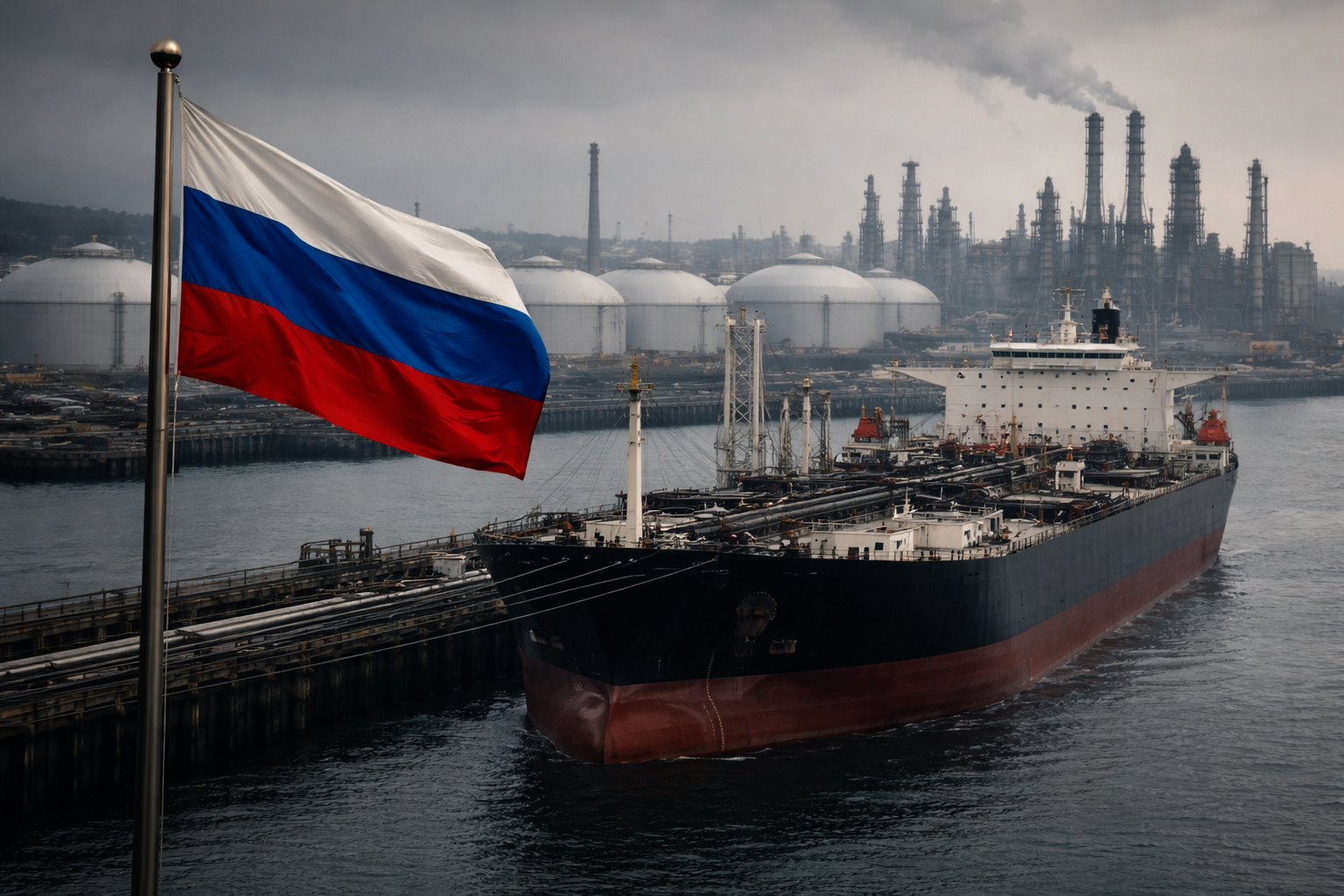
US oil sanctions waivers covering Russia and Iran are expected to be renewed , according to former Treasury and State Department officials, even as the policy faces criticism over its price impact and potential benefits to sanctioned exporters. Those officials said the Trump administration is poised to extend a waiver for Russian oil sales this week, with a similar move on Iranian oil anticipated soon after.
The waivers are tied to specific deadlines that are now close. Last month, the Treasury Department authorized the sale of previously sanctioned oil from both countries that was already at sea. The deadline for Russian oil was April 11, while the waiver for Iranian crude was set to expire on April 19.
When the approach was introduced, it was presented as a way to steady energy markets by increasing available supply and easing price pressure. Treasury Secretary Scott Bessent described the tactic as economic “jiu-jitsu,” aimed at limiting the financial fallout from the conflict with Iran by boosting global supply and, in turn, lowering prices.
Nearly a month after the policy began, energy market analysts have reported little sign of a lasting decline in costs. The waivers may have offered short-term reassurance to investors, but analysts said the broader effect on global prices has appeared limited. Some observers argue the outcome may have run in the opposite direction of the stated goal.
Critics say that by widening the set of legitimate buyers, the waivers may have strengthened Russia’s and Iran’s ability to secure better pricing for their crude. According to some estimates cited by observers, Russia has been able to generate as much as an additional $150 million per day. The policy’s effectiveness has therefore come under scrutiny, with questions focused on whether it is reducing costs for consumers or instead increasing revenue for Moscow.
Market specialists also point to constraints that could limit how much additional supply the waivers truly add to the wider market. Much of the sanctioned Iranian oil, for example, was reportedly already en route to China, which would reduce the likelihood that the waiver meaningfully increases availability for other buyers or regions.
Alex Zerden, a former Treasury official and a principal at Capitol Peak Strategies, said traders are often guided less by narrow sanctions adjustments than by how they assess the direction of the conflict itself. “Tinkering with Iranian oil is not a sanctions question at the end of the day; it’s about the market’s general assessment of this conflict’s direction,” he said.
With the April deadlines now in focus, the administration faces a choice between continuing a policy that analysts say has produced uncertain results or changing course and risking market volatility. The expected decisions on the Russia and Iran waivers will be closely watched as a signal of how the White House is weighing geopolitical pressure against economic stability, with potential spillovers for global energy trade and price expectations.
Implications
Country Impact: For the United States, extending the waivers would underscore an effort to manage energy-market stability while maintaining pressure linked to Russia and Iran. For Russia and Iran, the waivers could affect how easily their oil reaches buyers and at what prices, based on the reported expansion of legitimate purchasing channels.
Industry Impact: For the oil and shipping sectors, the waivers shape which cargoes can be sold and to whom, particularly for oil already at sea. The reported concentration of Iranian flows toward China also highlights how destination markets can limit the waivers’ reach across the broader global supply chain.
Market Impact: For global markets, the key issue is whether the waivers meaningfully change supply conditions or mainly influence sentiment. Analysts cited in the source said evidence of sustained price declines has been limited, leaving uncertainty about whether renewals will calm volatility or reinforce concerns about higher realized prices for sanctioned crude.