US Strikes Iranian Vessels Amid Gulf Escalation
The US struck Iranian vessels in the Strait of Hormuz following reported attacks on UAE oil facilities and ships, escalating tensions in the critical waterway.
Lauren Collins ·
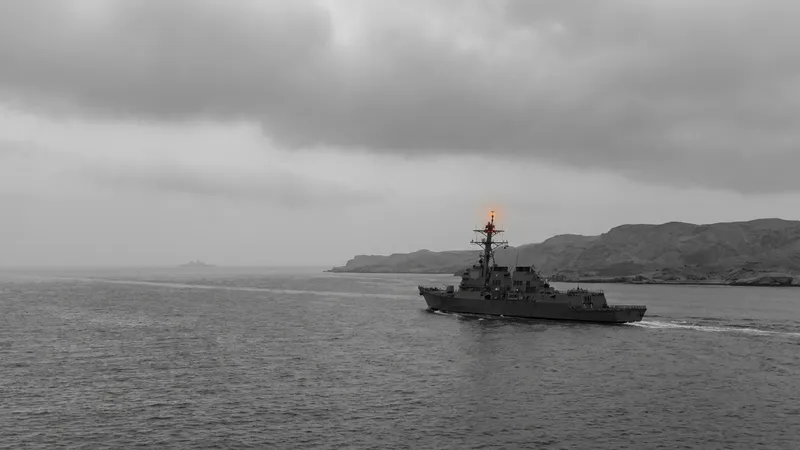
The United States has reported striking seven Iranian fast boats in the Strait of Hormuz. This action occurred as the UAE reported an attack on its Fujairah oil facility and strikes on ships in the vital waterway.
Reports indicate a fire at the Fujairah oil port and an attack on an Adnoc-affiliated tanker. South Korea also reported an explosion on one of its ships near the UAE coast.
The UAE engaged air defenses against 12 ballistic missiles, three cruise missiles, and four drones. These incidents follow a period of restricted transit through the Strait of Hormuz since February.
One US-flagged commercial vessel successfully transited the strait under US military protection. Iran disputes the US claim of striking fast boats, stating two cargo vessels were hit, resulting in five civilian fatalities.
Brent crude oil prices increased by over 5% following reports of the Fujairah attack. International leaders have condemned the attacks on UAE infrastructure.