US strikes Iran as Tehran targets Gulf countries
New US airstrikes and Iranian attacks on Gulf countries threaten an interim deal meant to halt the war.
Mateo Fernandez ·
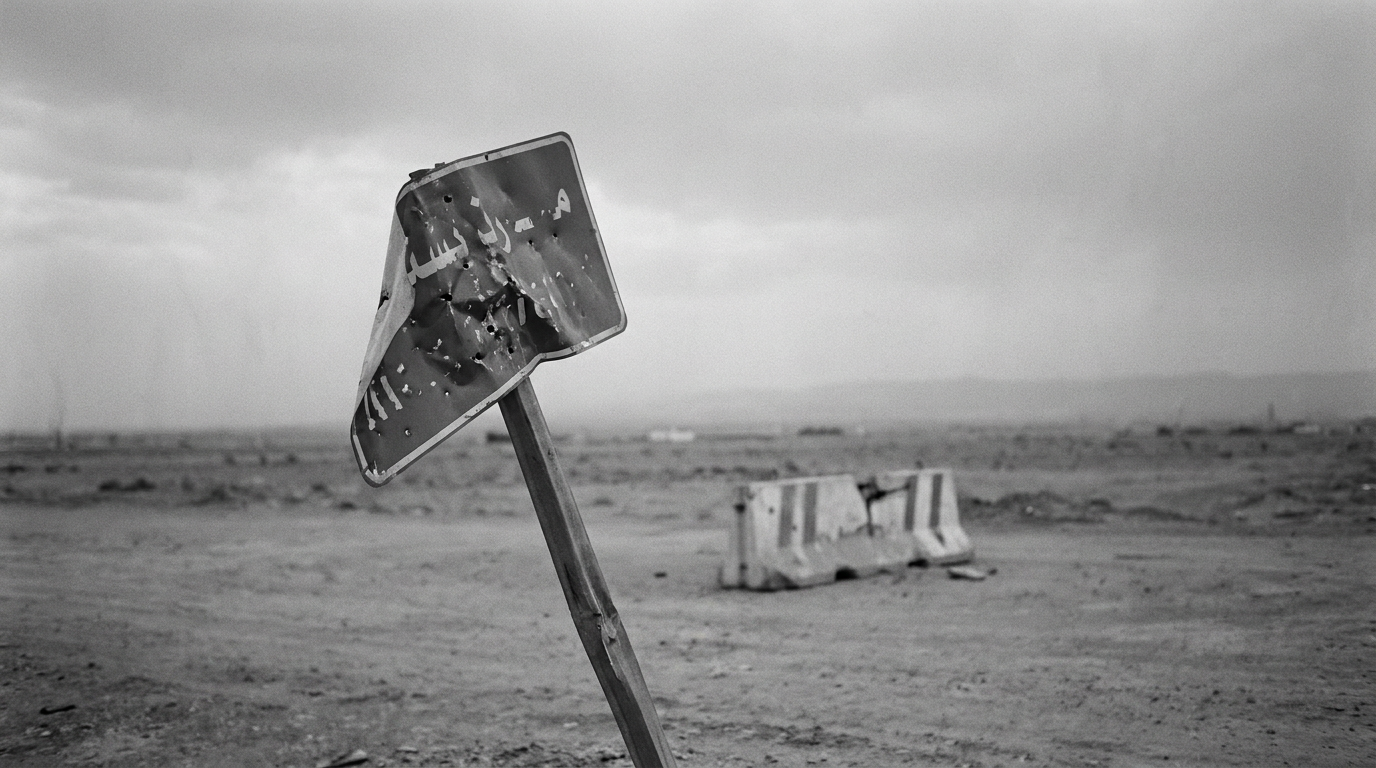
The United States launched new airstrikes against Iran on July 9, 2026, and Tehran responded by targeting Gulf countries, officials said. Reaction pending. The exchange raises the risk that an interim deal intended to end the war could break down before it takes hold.
Gulf attacks threaten interim deal
The escalation widens the conflict beyond direct US-Iran exchanges and puts Gulf states closer to the center of the crisis. That matters because the region sits at the intersection of energy supply, shipping routes and security alliances, making each new strike a potential trigger for broader military and diplomatic responses.
For Washington, the immediate test is whether the new strikes are framed as limited retaliation or the start of a longer campaign. For Tehran, attacks on Gulf countries signal a willingness to pressure US partners, increasing the chance that regional governments seek stronger protection or respond through their own security channels.
The interim deal is now the central pressure point. If both sides keep the fighting contained, diplomacy could still preserve a pause in the war; if attacks continue, the agreement risks becoming a dead letter before implementation. The macro channel is geopolitical risk: higher uncertainty can feed into energy pricing, defense positioning and risk appetite across global markets.
The next 24 hours, through July 10, 2026, will test whether officials can keep the interim deal alive or whether the expanding fire pulls Gulf governments deeper into the conflict.