Nato allies announce £37bn missile project
Sir Keir Starmer will convene about a dozen leaders in Ankara to discuss the programme, officials said.
Mateo Fernandez ·
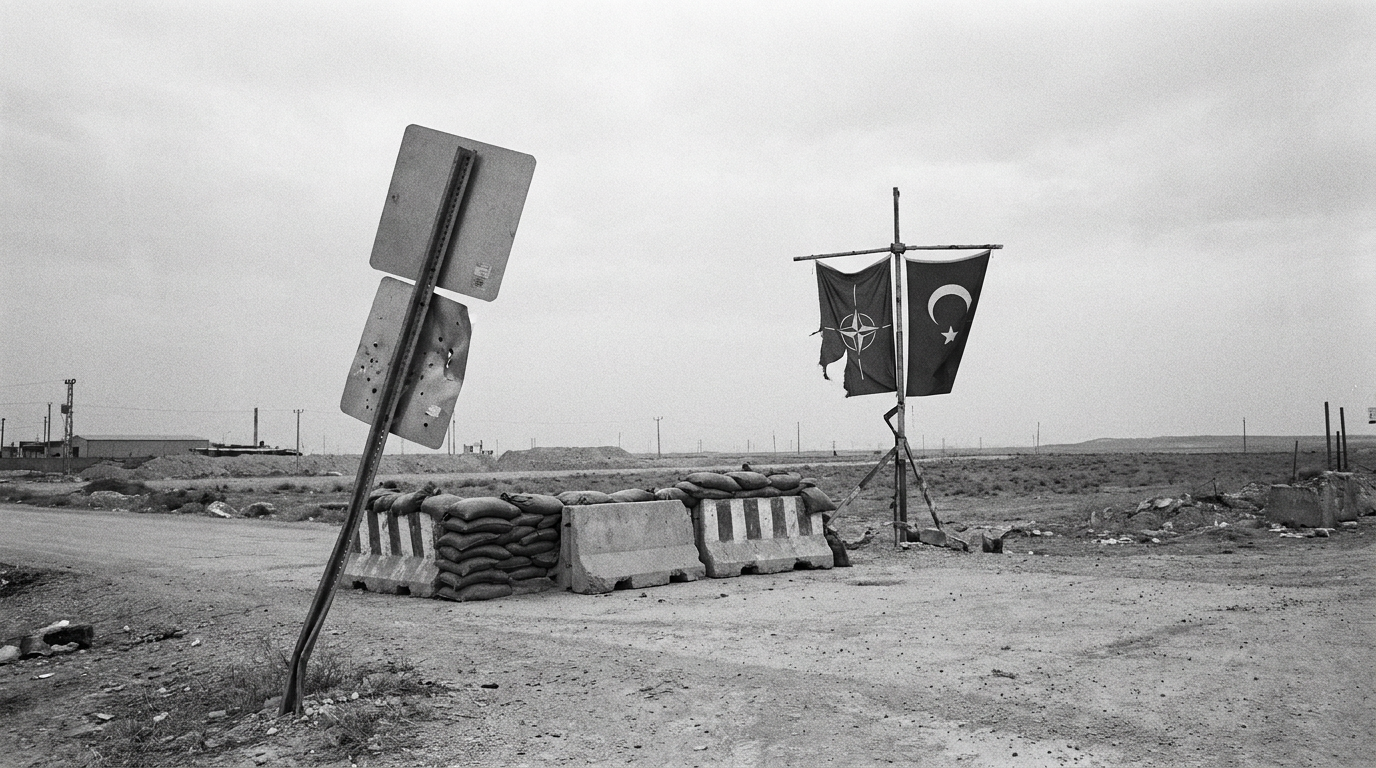
Nato allies announced £37bn for a new missile project, with Prime Minister Sir Keir Starmer set to bring together around a dozen leaders in Ankara to discuss the programme. Officials said the talks will focus on the project’s funding and coordination, placing air and missile defence higher on the alliance’s security agenda.
Reaction pending. The announcement is not an immediate market shock, but it adds to a broader repricing of European defence commitments as governments channel more public money toward deterrence, production capacity and long-range systems.
Ankara talks put missiles first
The size of the announced funding makes the project a major procurement signal for Nato governments, even before details on timelines, suppliers or national contributions are set out. For the UK, Starmer’s role in convening the leaders gives London a central position in shaping the programme’s political backing.
The direct effect will depend on how the £37bn is allocated. If funding moves quickly into contracts, defence manufacturers and missile-system suppliers could see a stronger order pipeline; if the programme remains at the coordination stage, the near-term industrial impact will be slower.
For the wider sector, the mechanism is clear: multilateral missile projects can pool demand, standardise requirements and reduce duplication across allied militaries. They can also expose friction over workshare, export controls and budget timing.
By July 9, 2026, markets and defence ministries will be watching whether the Ankara meeting produces named participants, procurement milestones or supplier guidance. If those details emerge, the project becomes easier to price; if they do not, the headline funding figure remains a strategic signal rather than an investable timetable.