US strikes Iran again after soldier death
The latest US strikes followed a reported American fatality in Iraq and Iranian attacks on Bahrain and Kuwait.
Mateo Fernandez ·
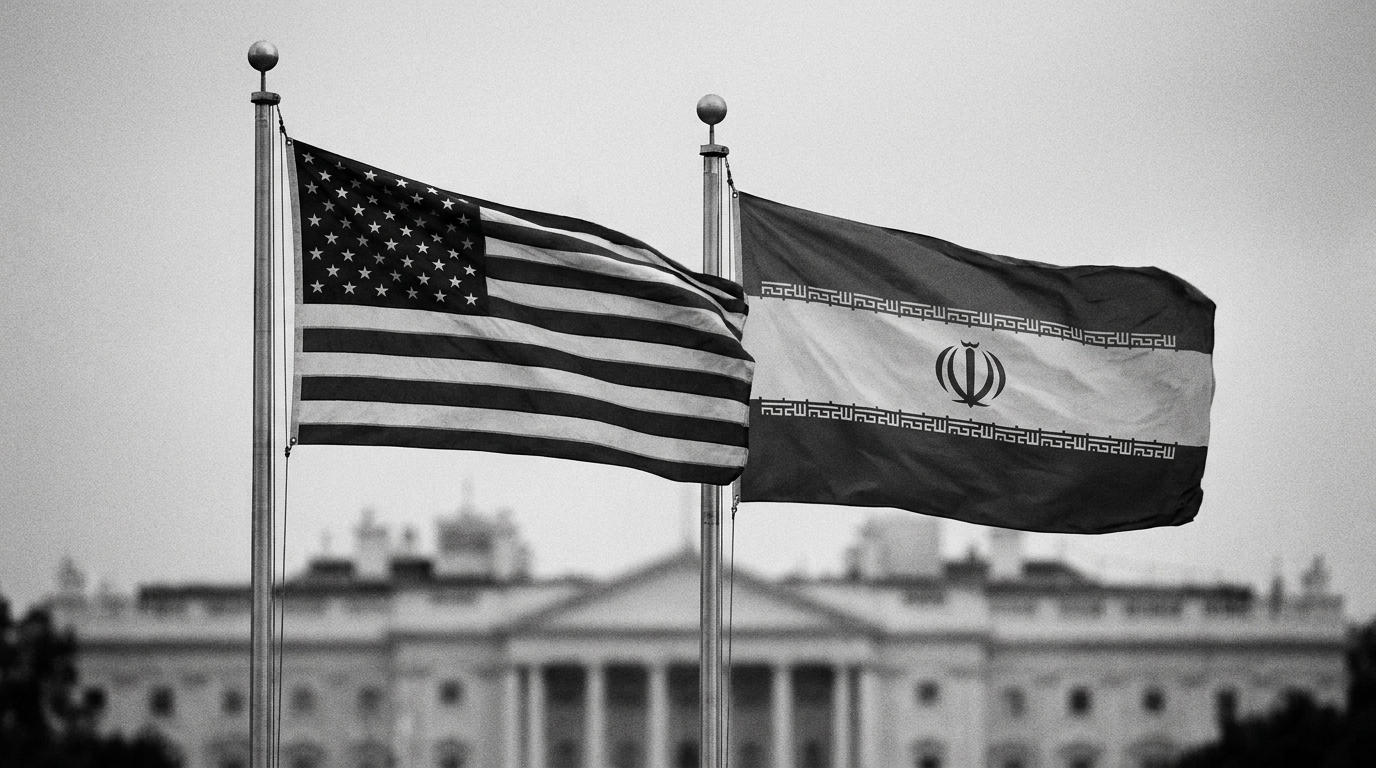
The US launched another round of airstrikes on Iran on July 20, the ninth night of the campaign, after officials said an American service member was killed in Iraq. Market reaction was pending, but the escalation puts Gulf shipping, energy flows and US regional assets back at the center of geopolitical risk.
Hormuz risk widens Gulf exposure
Officials said Iran retaliated with attacks on Bahrain and Kuwait, widening the conflict beyond the original strike zone. The reported exchanges raise the risk of miscalculation around US bases, Gulf air defenses and commercial routes that rely on predictable access through the Strait of Hormuz.
The immediate macro channel is energy security rather than domestic demand. If shipping lanes remain open and attacks stay limited, the global effect may be contained to a geopolitical risk premium. If threats to Hormuz traffic intensify, the mechanism shifts to higher insurance costs, rerouted cargoes and pressure on oil-linked inflation expectations.
For the US, the central issue is whether the campaign stays calibrated or becomes a wider regional operation. For Gulf states, the focus is protection of infrastructure and airspace. For energy and shipping companies, the next decisions are practical: crew safety, war-risk coverage and whether schedules through the Gulf remain viable.
By July 21, 2026, the next test is whether officials report further strikes, new attacks on Gulf targets, or steps to secure Hormuz traffic. Any of those would shape the next phase for markets, US force posture and regional energy logistics.