Iran missiles may be evading U.S. air defenses
Tehran altered missile flight paths after strikes killed two U.S. service members, raising regional escalation and defense concerns.
Mateo Fernandez ·
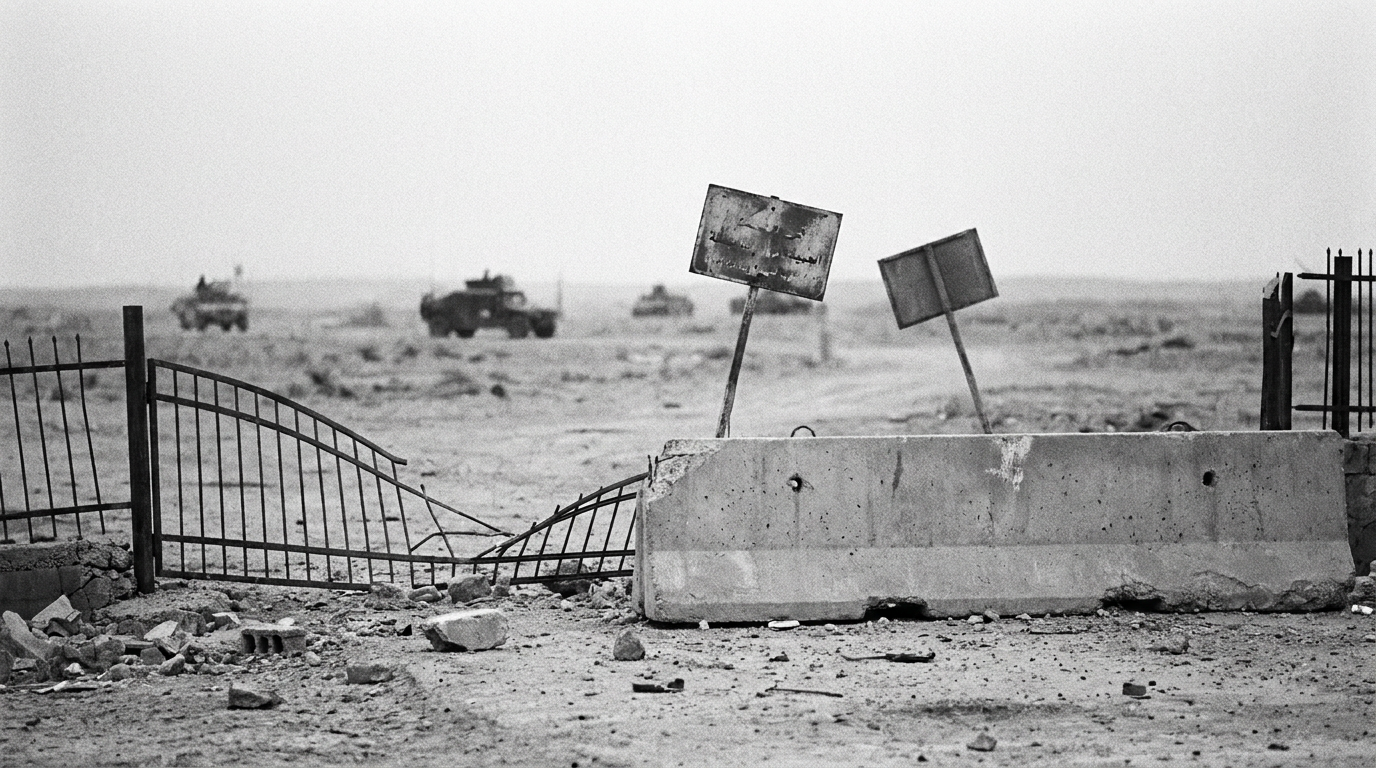
U.S. officials said on July 20, 2026 that Iranian missiles altered their terminal-phase flight paths in recent strikes, a change that made interception by layered air-defence systems more difficult. The strikes included a missile attack on a U.S. base in Jordan that killed two American service members; officials said additional attacks injured dozens of U.S. troops and damaged Black Hawk helicopters.
Terminal-phase maneuvering in strikes
Officials said the missiles showed high-speed maneuvering late in flight, a tactic that compresses engagement windows for interceptors and radar tracking. Data showed such changes can defeat certain missile-defence intercept algorithms by shifting speed and angle during the terminal phase, forcing defenders to rely more on redundancy and layered sensors.
U.S. commanders are reviewing whether to reposition assets, increase patrols and alter rules of engagement to protect forward bases and rotary-wing aircraft. Officials said commanders are also assessing whether existing countermeasures and interceptor inventories are adequate if Tehran adopts this tactic more broadly.
The immediate operational effect is concentrated on regional force posture and base hardening; the political effect is higher risk of miscalculation between Tehran and U.S. forces. Officials said further assessments are expected by July 22, 2026, and that any change in U.S. force disposition will be announced after that review.