U.S. Expands Balkan Energy and AI Deals in Croatia
U.S. expands Balkan energy and AI deals, including a $6 billion Albania LNG pact, Bosnia-Croatia pipeline support, and a Croatia AI plan.
Lauren Collins ·
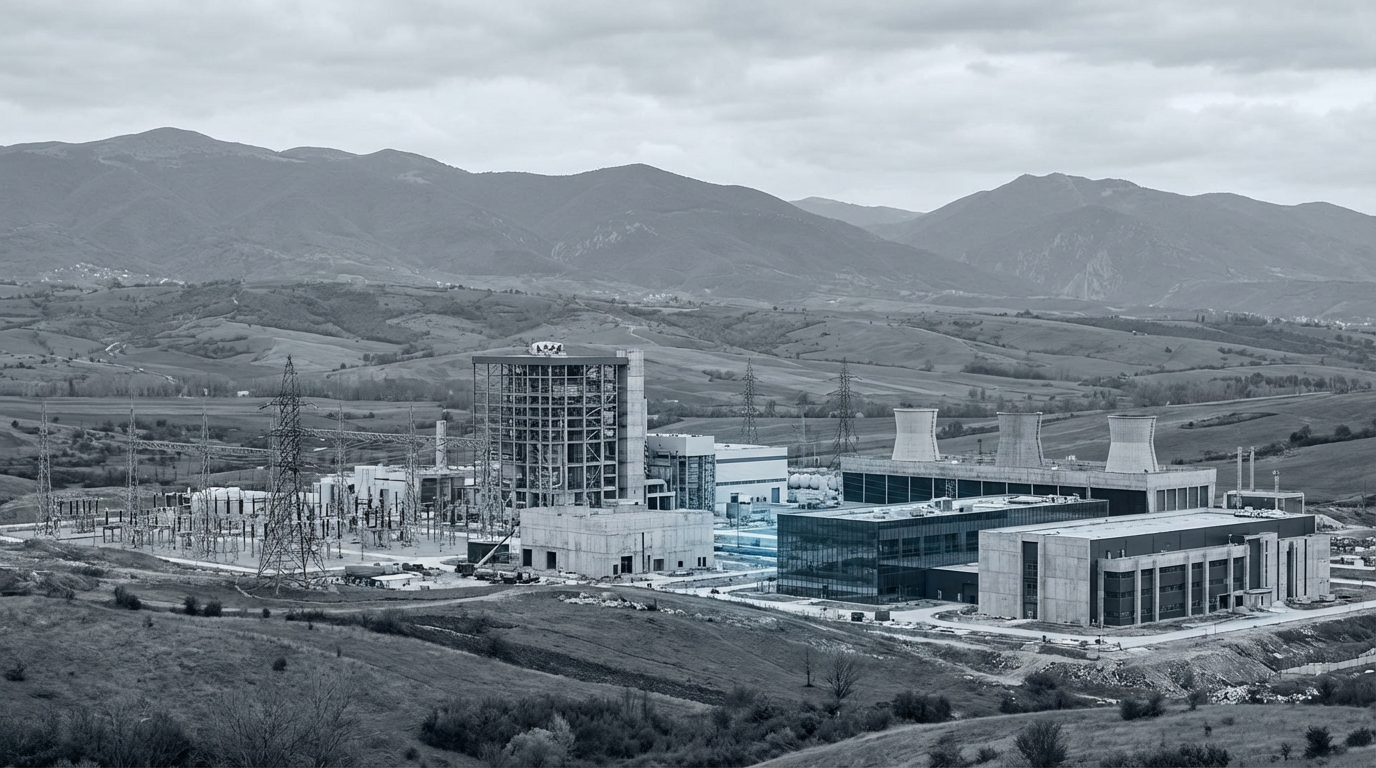
The United States and U.S. companies finalized multi-billion dollar agreements with Balkan nations on April 28, 2026, in Dubrovnik, Croatia, in moves focused on energy supply and artificial intelligence development in the region.
Officials framed the initiatives as a way to strengthen Washington’s energy presence in the Balkans while supporting technology investment, with an explicit aim of reducing Russian energy influence.
LNG export deal targets Albania supply over 20 years
A central agreement announced in Dubrovnik is a 20-year, $6 billion arrangement between Venture Global and Aktor LNG USA to export liquefied natural gas (LNG) to Albania.
The deal is part of the broader package of U.S.-linked energy steps described by officials as intended to deepen U.S. engagement in the region’s energy market.
Pipeline plan would link Bosnia and Croatia via LNG terminal
Alongside the Albania LNG agreement, the U.S. affirmed support for a gas pipeline project between Bosnia and Herzegovina and Croatia.
According to officials, the pipeline is designed to move U.S. natural gas from a Croatian LNG terminal into Bosnia and Herzegovina, a route presented as a way to diversify Bosnia’s energy sources.
The project is led by U.S. company AAFS Infrastructure and Energy LLC and is described as involving an estimated 1.5 billion euro investment.
Letter of intent outlines large AI and data center buildout
In a separate technology track, Croatian engineering firm Rade Koncar and U.S. investment group Pantheon Atlas LLC signed a letter of intent for an AI development and data center project in central Croatia valued at 50 billion euro.
The planned facility is described as having 1 gigawatt of power capacity intended for AI computing and cloud services.
Timeline depends on approvals and infrastructure upgrades
Operations for the central Croatia AI and data center project are projected to begin by 2029, according to the parties, but the timeline is contingent on regulatory approvals and required infrastructure upgrades.
Those conditions leave key uncertainties around permitting and readiness of supporting systems, even as the letter of intent sets out the scale and intended purpose of the investment.
The announcements in Dubrovnik collectively link energy security objectives with technology development goals, with U.S. support and U.S.-connected firms positioned across both areas.