US Blocks Iran's Maritime Trade for 36 Hours
U.S. halts Iran maritime trade on April 15, 2026, intercepting eight tankers as Trump signals possible Pakistan talks within two days.
Lauren Collins ·
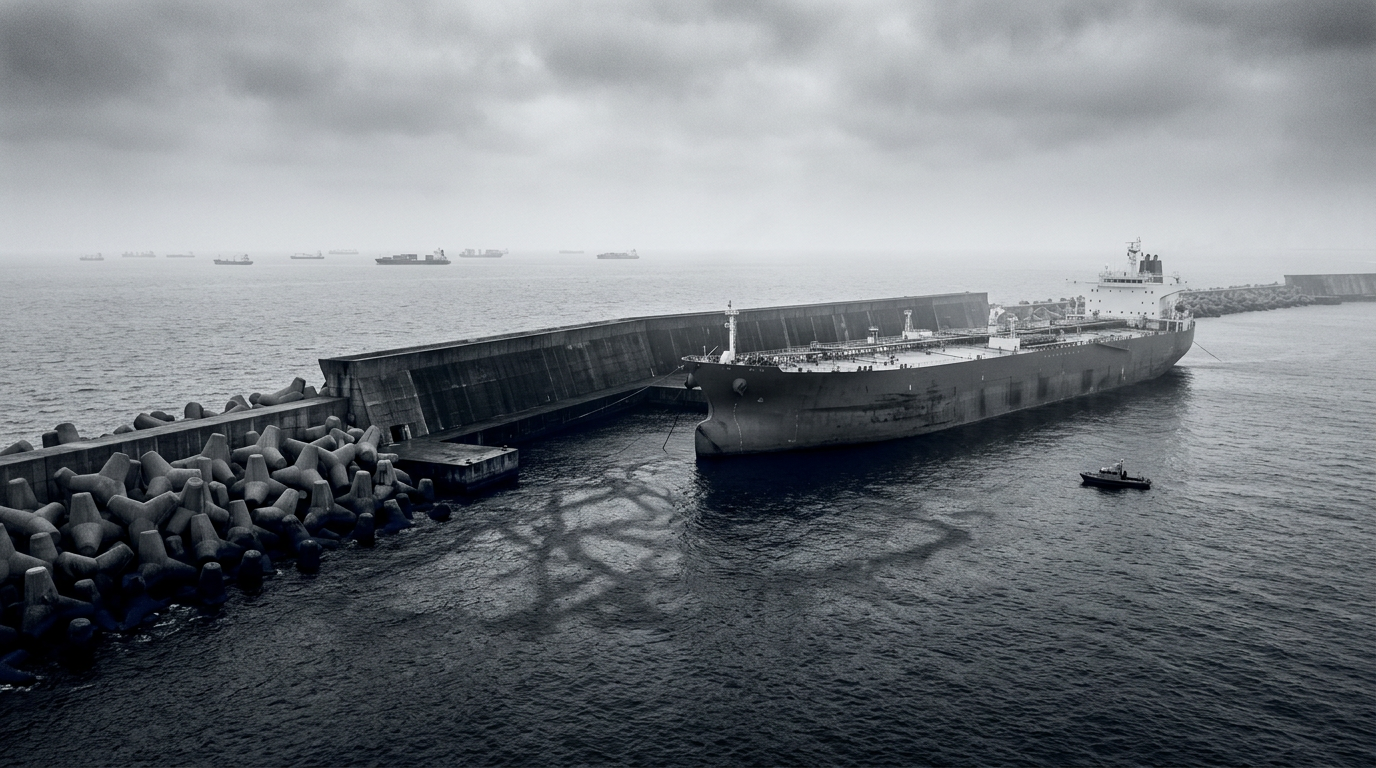
The U.S. military said on Wednesday, April 15, 2026, that it has fully stopped Iran’s maritime trade, a move it said affects 90% of the country’s economy even as diplomatic efforts continue to restart talks with Tehran. The announcement was made by Admiral Brad Cooper, the head of U.S. Central Command, who described the action as a rapid blockade operation.
According to Admiral Cooper, U.S. forces achieved the halt within 36 hours of putting the blockade in place. He said eight Iran-linked oil tankers have been intercepted since Monday, underscoring the scale and speed of the enforcement effort. Officials did not describe the full operational details, but the stated outcome was a complete stop to Iran’s seaborne trade.
The military action unfolded alongside renewed signals of diplomacy from Washington. U.S. President Donald Trump said he was optimistic about negotiations resuming with Iran, and suggested talks could restart in Pakistan within two days. Vice President JD Vance, who took part in recent discussions that did not produce an agreement, also expressed a positive outlook.
Officials from Pakistan, Iran, and the Gulf said U.S. and Iranian negotiating teams could return to Pakistan later this week. However, a senior Iranian source said no date had been set, leaving the timing uncertain. That gap between public optimism and the absence of a confirmed schedule remains a key unknown as the blockade takes effect.
One immediate example cited by officials involved the Rich Starry, described as a U.S.-sanctioned, Chinese-owned tanker. The vessel was turned back toward the Strait of Hormuz, illustrating how the blockade is being applied in practice. The incident also highlights the international commercial exposure tied to shipping routes around Iran, including vessels linked to third countries.
U.S. officials framed the move as an effort to intensify economic pressure on Iran while diplomacy continues to seek an end to a conflict that began on February 28. Officials said the conflict has resulted in approximately 5,000 fatalities, including 3,000 in Iran and 2,000 in Lebanon. The blockade is therefore being presented as part of a broader strategy operating in parallel with talks.
The conflict has also led to Iran effectively closing the Strait of Hormuz, officials said, disrupting global crude and gas transport. S. blockade raises immediate operational and market-relevant questions for energy traders, shipping firms, and governments monitoring supply routes. For now, officials have not provided a timeline for how long the blockade will remain in place or how it will interact with any potential return to negotiations.