US to impose 25% tariffs on EU auto imports, reversing August deal
The U.S. is imposing 25% tariffs on EU automotive imports, primarily affecting luxury vehicles and German manufacturers, reversing a previous agreement.
Jason Kwon ·
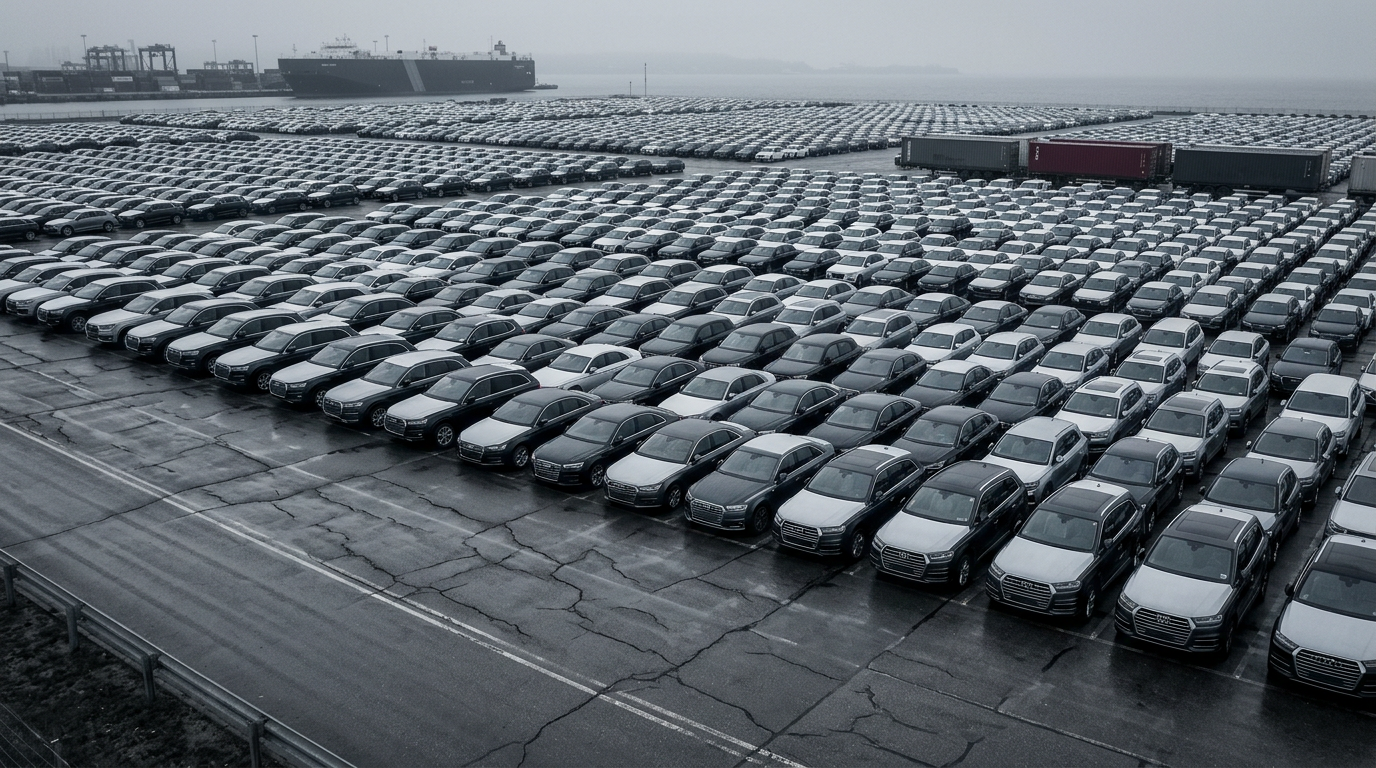
The United States plans to impose 25% tariffs on automotive imports from the European Union, reversing an agreement reached in August that had lowered the levies to 15%.
US Trade Representative Jamieson Greer said on Monday the White House is “moving forward with this action”. The move follows President Donald Trump’s earlier decision to apply a 25% tariff on global automotive imports under Section 232, citing national security risks.
The tariffs are expected to weigh most heavily on higher-end and luxury vehicles, with German automakers including BMW, Mercedes-Benz and Volkswagen seen as among the most exposed because of their sizeable US market presence.
Car trade accounts for about 8% of EU-US business, according to the European Automobile Manufacturers’ Association (ACEA), and the United States is the top destination for EU-built cars, representing 29% of the bloc’s total car export value.
The Trump administration has argued the EU did not comply with the prior agreement, a claim EU officials have rejected.
The tariff plan comes as the White House also announced on Friday it would withdraw 5,000 troops from Germany. Analysts said the tariffs could push European carmakers to reassess production and export strategies, including shisourcesing more manufacturing to the United States to reduce exposure to import duties.