US Oil Chiefs Warn Trump on Hormuz Energy Crisis
US oil executives warned Trump administration officials that the global energy crisis could worsen due to Strait of Hormuz disruptions.
Lauren Collins ·
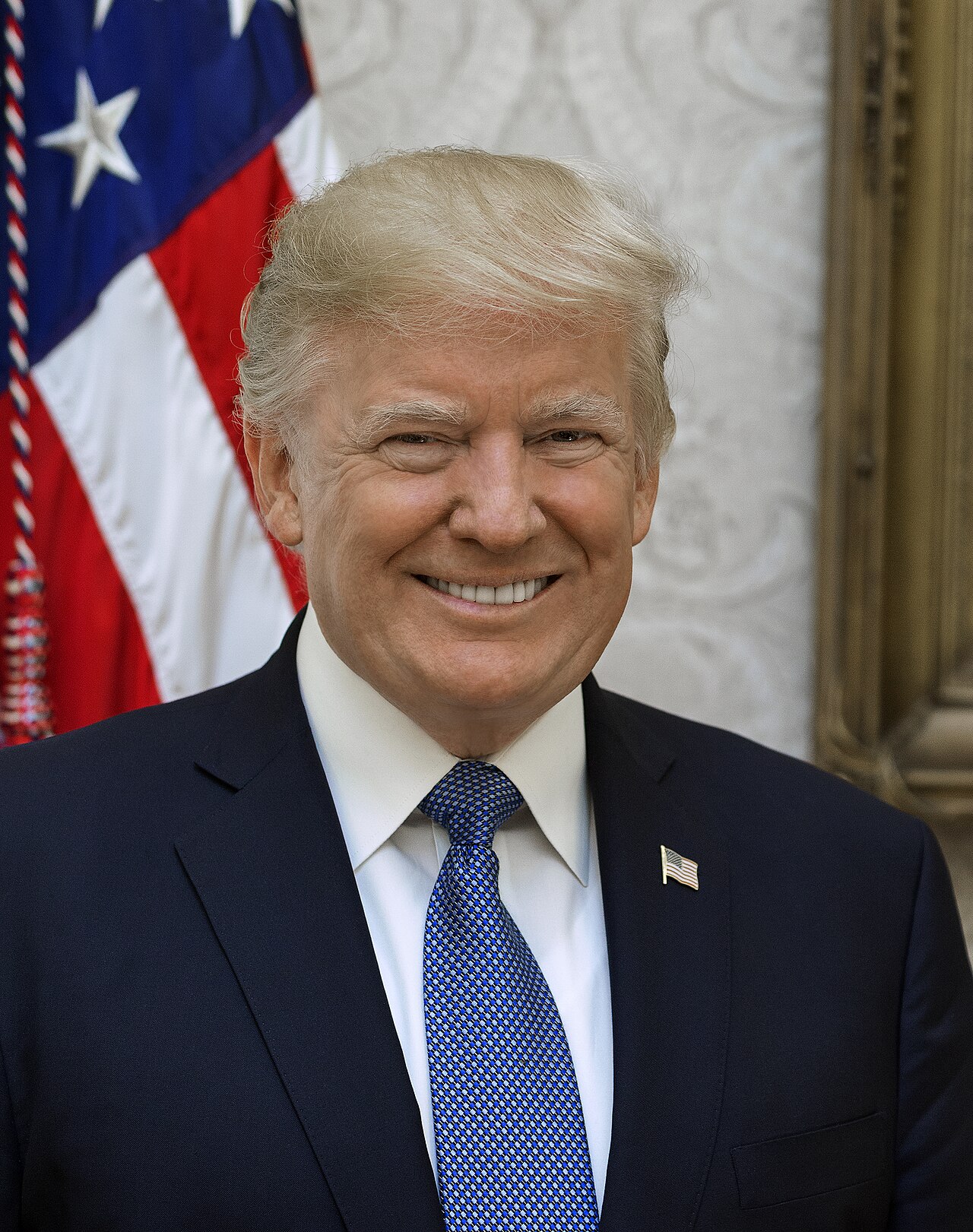
S. oil companies recently cautioned officials within the Trump administration regarding the potential for a severe global energy crisis. These warnings, delivered during recent meetings, emphasized that ongoing disruptions in the Strait of Hormuz, particularly those linked to the conflict involving Iran, could significantly escalate market instability and oil prices. S.
oil output or production from Venezuela would be sufficient to counteract substantial supply interruptions originating from this critical maritime chokepoint.
Strategic Energy Discussions
The discussions underscore the administration's engagement with the energy sector to evaluate and address vulnerabilities within global oil supply chains. The Strait of Hormuz is a vital passage for a significant portion of the world's seaborne oil, making any prolonged closure or disruption a major concern for international energy markets and global economic stability.
Mitigation Strategies Under Review
In response to these concerns, the U.S. government is reportedly exploring several strategic options to mitigate potential impacts. These measures include the possible easing of sanctions on Russian oil, a move that would aim to increase global supply. Another consideration is the release of crude oil from the Strategic Petroleum Reserve, a federal emergency stockpile designed to cushion against supply shocks.
Domestic and International Supply Considerations
S. ports must be transported on American-built and crewed vessels, potentially facilitating cheaper and faster domestic oil transport. Additionally, increasing oil imports from Venezuela is being considered, which would necessitate a re-evaluation of current sanctions against the South American nation. These discussions reflect a comprehensive approach to safeguarding energy security amidst geopolitical tensions.
Geopolitical Context and Market Sensitivity
The Strait of Hormuz, situated between Iran and Oman, is a narrow waterway through which approximately one-fifth of the world's total oil consumption passes daily. Its strategic importance means that any perceived threat or actual disruption can trigger immediate and significant reactions in global oil prices and financial markets. The current geopolitical landscape, marked by tensions in the Middle East, amplifies the sensitivity of this chokepoint.
Historical Precedent and Economic Impact
Historically, disruptions or threats to shipping in the Strait of Hormuz have led to sharp increases in crude oil prices, impacting everything from transportation costs to manufacturing expenses worldwide. Such price spikes can contribute to inflationary pressures and slow global economic growth. S. government and energy executives aims to prevent such an outcome by preparing contingency plans and assessing the feasibility of various supply-side interventions.
Implications
Country Impact: The U.S. government's consideration of various mitigation strategies, including potential sanctions adjustments and reserve releases, indicates a proactive stance to protect its economy from energy shocks. Domestic energy policy, such as the Jones Act, may be temporarily altered to enhance supply chain resilience.
Industry Impact: The global oil and gas industry faces heightened volatility due to geopolitical risks in critical shipping lanes. Companies are assessing supply chain vulnerabilities and potential shifts in sourcing, with implications for production strategies and investment decisions in both conventional and unconventional oil fields.
Market Impact: Global energy markets could experience significant price fluctuations and increased uncertainty if disruptions in the Strait of Hormuz materialize. The potential easing of sanctions on Russian oil or increased Venezuelan imports could introduce new supply dynamics, impacting crude oil benchmarks and related financial instruments.