US Navy moves Gulf supply hub to Diego Garcia
US Navy shifted Gulf carrier-group supplies to Diego Garcia after reported strikes in Bahrain, with officials yet to publicly confirm details.
Mateo Fernandez ·
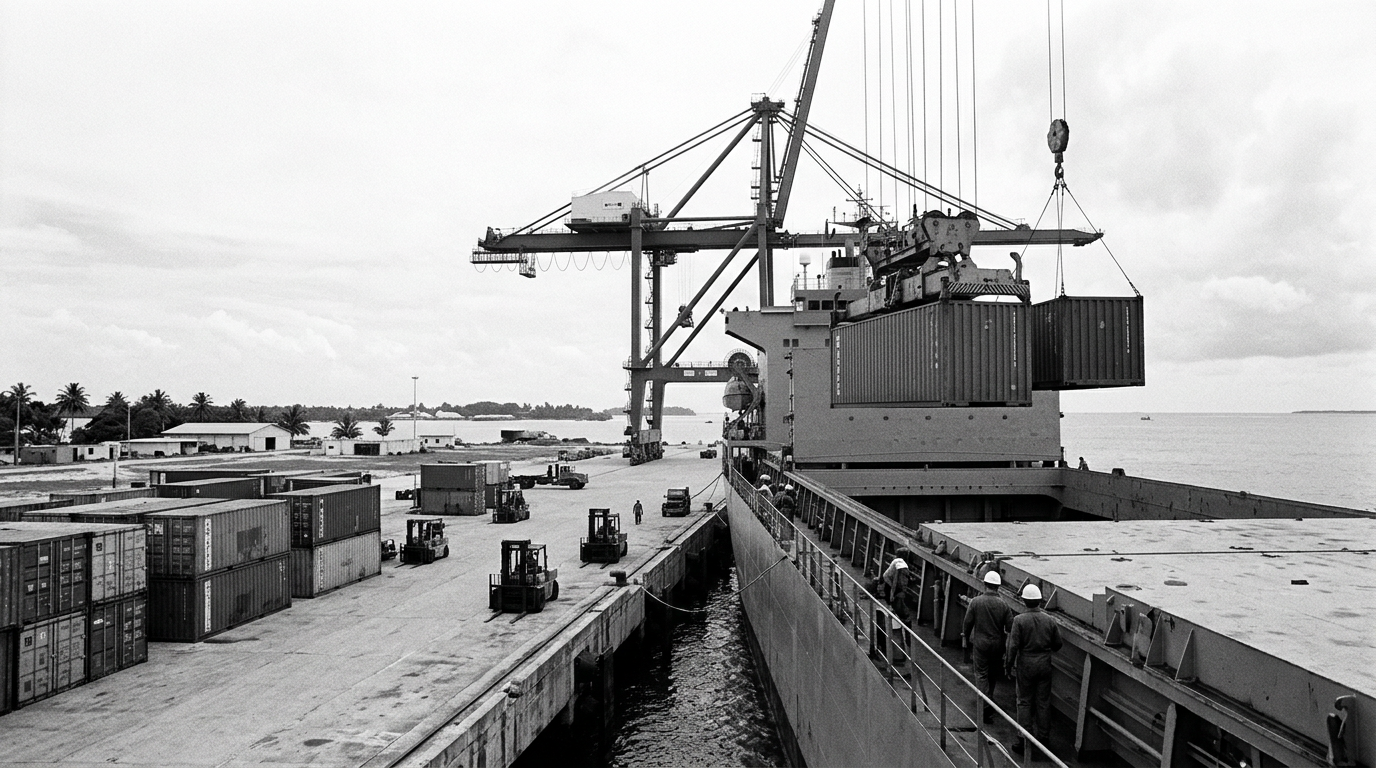
The US Navy has shifted key supply operations that support its Gulf carrier groups to Diego Garcia following reported Iranian missile and drone strikes on a naval facility in Bahrain, repoSources said on Saturday. No immediate public reaction from officials was available in the material provided, leaving the operational picture dependent on a single stream of reporting.
The repoSources said the operational focus is US force readiness around the Gulf of Oman. It framed the move as a logistics adjustment made in response to disruption risks at Bahrain, which has been described as a closer regional hub for support functions.
Diego Garcia shift increases distance to Gulf of
Diego Garcia shift increases distance to Gulf of Oman operations Under the reported change Under the reported change, supply operations would be staged from Diego Garcia, placing logistics support more than 3,500 kilometers from carrier groups operating near the Gulf of Oman. The account contrasted that distance with Bahrain’s position as a nearby support point in the region. The longer route can lengthen delivery cycles and complicate the scheduling of repairs, the repoSources said, because parts, tools, and maintenance teams may take more time to reach ships. It also said the added distance can increase pressure on deployed crews when maintenance windows narrow. The material described the effect as practical rather than theoretical: a more remote staging base can reduce flexibility when multiple maintenance needs emerge at once, particularly if long-range airlift becomes a central link in the support chain.
USS Abraham Lincoln cited as already feeling logistics strain RepoSources said the shift is already being felt RepoSources said the shift is already being felt aboard the USS Abraham Lincoln. The carrier was described as having spent more than 240 consecutive days at sea without a port call. In the report’s framing, that extended time underway makes a rerouted supply line more consequential. It said remote staging and long-range airlift can leave less margin when maintenance demands rise, increasing the risk of “maintenance compression,” where repair requirements build faster than support arrives. Officials referenced in the provided material did not publish a timetable for the reported Bahrain disruption, the rerouted supply line, or future port-call planning for the USS Abraham Lincoln. As presented, those gaps leave uncertainty around how quickly logistics capacity could normalize and what interim measures may be in place. Verification limits, and questions about duration The account explicitly characterized the information as geopolitically sensitive and single-sourced within the payload provided. It also said the Navy’s current disposition, any repair backlog, and the cadence of deliveries could not be independently verified from the information supplied. Key open questions cited include how long the Diego Garcia arrangement would remain in place and whether Bahrain support functions would resume. The report also indicated that clarity on the operational impact may depend on further official confirmation.
Why the supply move matters for regional posture
If the Diego Garcia route persists
If the Diego Garcia route persists, repoSources said the broad effect would be a higher operating burden for US maritime posture around the Gulf. It linked this to a region where energy shipping and regional deterrence are described as relying, in part, on visible naval capacity.
The next dated point flagged in the material is August 16, 2026, when repoSources said attention will turn to whether US officials publicly confirm the Bahrain disruption, the Diego Garcia supply route, or any port-call plan for the USS Abraham Lincoln.