Ukraine civilian casualties reach highest since March 2022
Ukraine civilian casualties surged in July 2026 to the highest level since March 2022, with 437 deaths and 2,610 injuries, data showed.
Atlas Newsdesk ·
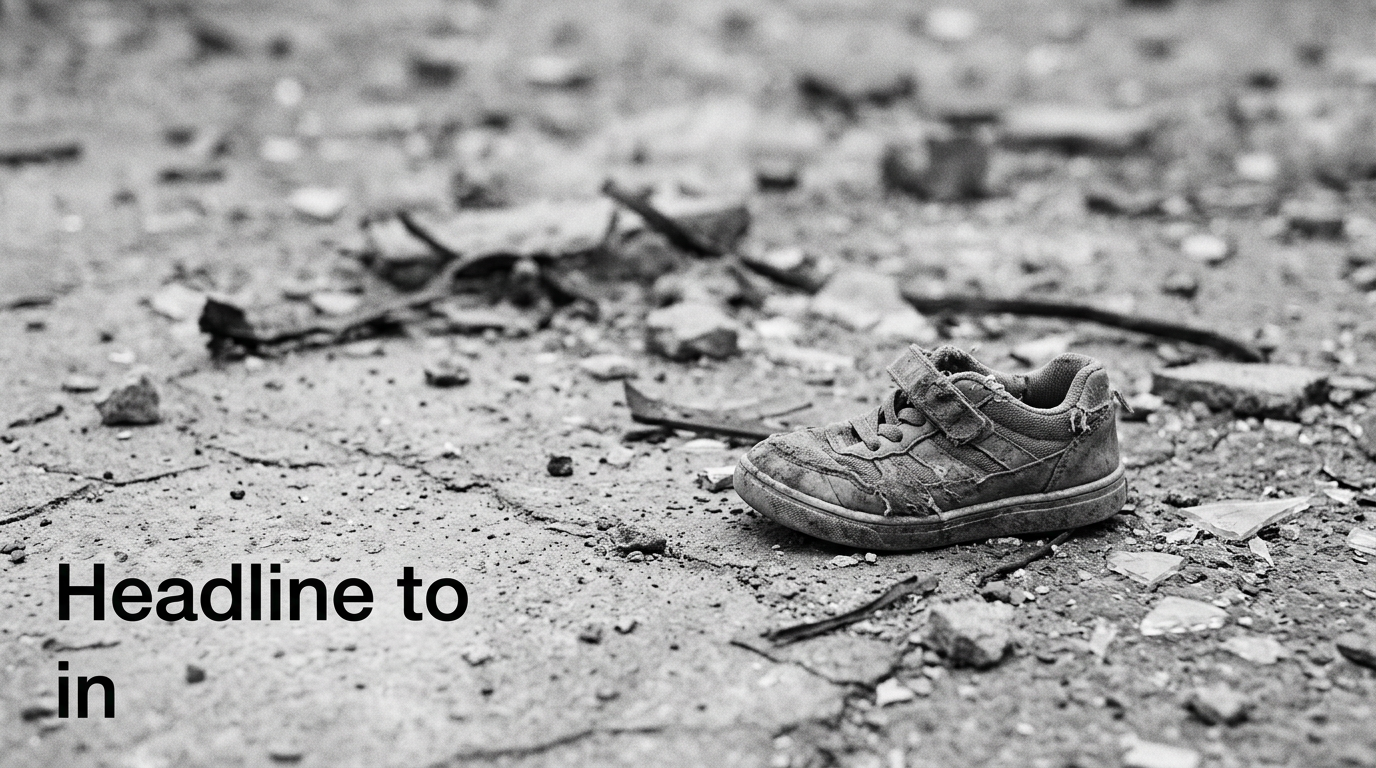
Civilian harm in Ukraine rose sharply in July 2026, reaching the highest monthly level since March 2022, according to data cited in the source material. The same data recorded 437 civilian deaths and 2,610 civilian injuries during the month.
The figures marked a steep rise from June, with the total up 30% month on month, the data showed. They were also substantially higher than a year earlier, rising 70% compared with July 2025, according to the same dataset.
Long-range weapons cited as main driver of July Long-range weapons cited as main driver of July increase In July The data linked the July jump to an expansion in Russia’s use of long-range weapons, including ballistic missiles and drones. The source described this shift as a key factor behind the higher civilian toll. In July, Russia launched 429 missiles, which the data said was more than double the number recorded in June. The strikes were reported to have focused on urban areas far from active front lines, a pattern the source said increases risks for civilians. According to the material, concentrating attacks on densely populated locations can push up civilian exposure compared with areas where military activity is the dominant feature. The data also argued that long-range attacks can raise the civilian toll even when ground combat remains concentrated elsewhere.
Air defense shortages and interception rates
Ukraine’s ability to limit harm from incoming long-range Ukraine’s ability to limit harm from incoming long-range weapons was described as constrained by a critical shortage of interceptors. The source presented this as a structural limitation affecting air defense performance. In July, only 29 of 195 incoming ballistic missiles were successfully intercepted, according to the same data. The figures were cited as showing a mismatch between the scale of incoming attacks and available defensive resources. The data also reported a sharp deterioration in protection from aerial attacks. Civilian casualties linked to strikes from the air rose 143% from the previous month, which the source attributed to the higher volume of incoming weapons and reduced ability to stop them. Child casualties and glide bombs highlighted as risks The material said child casualties also increased, reaching their highest level since April 2022, based on the cited data. The source did not provide additional details on where or how those child casualties occurred. Alongside ballistic missiles and drones Alongside ballistic missiles and drones, glide bombs were identified as another significant concern for civilian safety. However, the material did not provide a July figure for glide-bomb use, leaving uncertainty about their precise contribution relative to other weapon systems.
The source material did not explain how the casualty totals were verified or whether later revisions are expected. Even so, it described July 2026 as the highest monthly civilian toll since the early stage of the full-scale invasion.