UAE's OPEC Exit: A New Era for Global Oil?
The UAE's exit from OPEC is projected to increase global oil supply, potentially lowering prices and aligning with US strategic interests.
Atlas Newsdesk ·
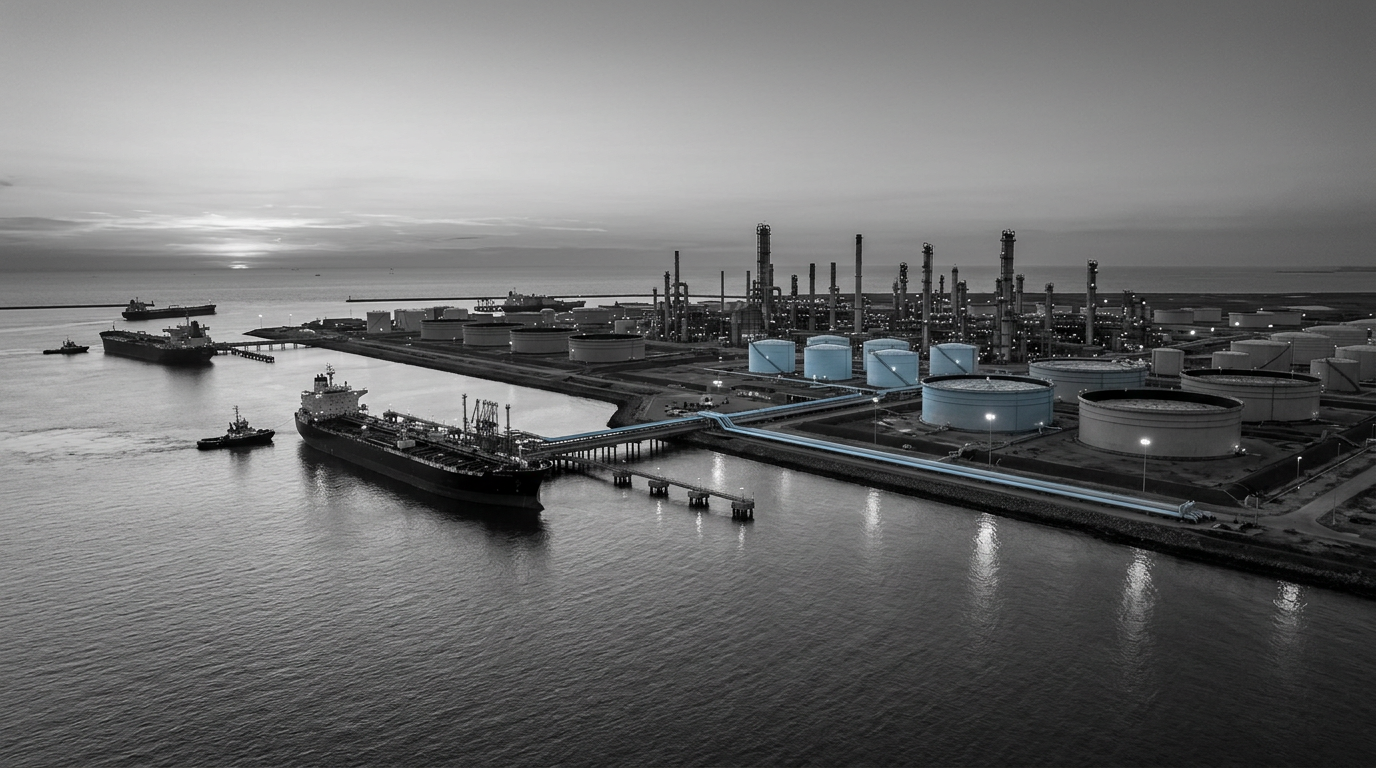
The United Arab Emirates's (UAE) withdrawal from OPEC is expected to increase global oil supply and potentially reduce prices. This move aligns with US interests by weakening OPEC's pricing power.
The UAE has invested in increasing its oil production capacity but faced limitations under OPEC quotas. Its exit allows for greater output, estimated at an additional 2 million barrels per day once shipping lanes normalize.
This development occurs amid high global oil demand and disruptions to key shipping routes, which have driven up prices. Increased supply from the UAE could alleviate some inflationary pressures.
The US is positioned to benefit from this shift, potentially seeing reduced oil prices and increased leverage in energy markets. The move also signals closer economic and political ties between the UAE and the US.
There is a possibility that other OPEC members might consider similar withdrawals, which could further fragment the cartel's influence. This scenario would introduce greater volatility and competition into global oil markets.