US Judge Allows End of TPS for 5,000 Ethiopians
A federal judge on Tuesday allowed DHS to end TPS for over 5,000 Ethiopians, lifting the last court block after a June Supreme Court ruling.
Atlas Newsdesk ·
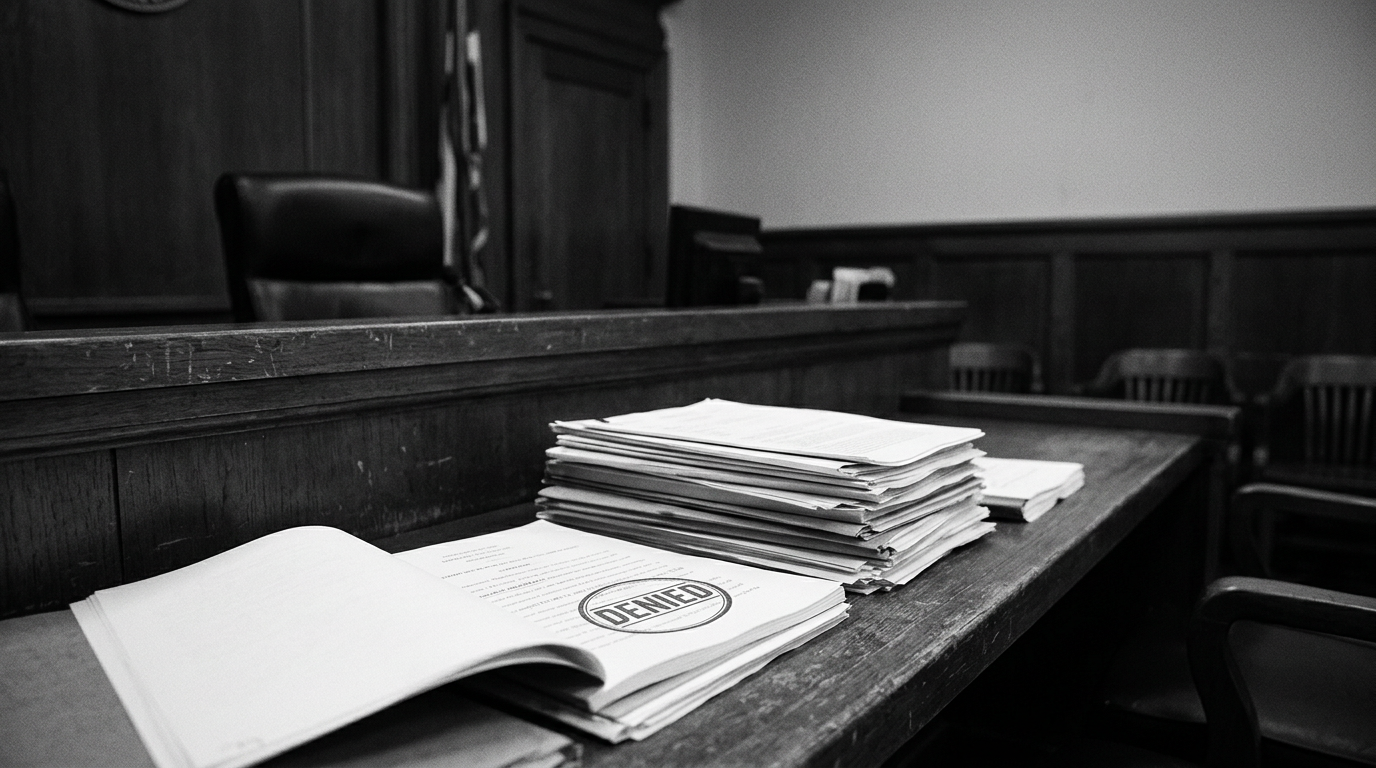
A US federal judge ruled on Tuesday that the Trump administration may proceed with ending Temporary Protected Status (TPS) for more than 5,000 Ethiopian nationals , removing the final court barrier that had been specific to this group, officials said.
US District Judge Brian Murphy issued an order that clears the way for the Department of Homeland Security to revoke the protections previously provided under the Ethiopian TPS designation, according to officials.
Judge Brian Murphy lifts the last Ethiopia-specific block Judge Brian Murphy lifts the last Ethiopia-specific block Temporary Protected Status The ruling comes in the wake of a June Supreme Court decision that limited how far lower courts can go in reviewing executive actions aimed at ending TPS designations. That change in the legal landscape set the context for Judge Murphy’s decision concerning Ethiopians covered by the program. With the court’s order now in place, the decision eliminates what the source material described as the last remaining court block affecting this particular group of TPS holders. DHS says TPS has moved beyond its original purpose According to the administration, it has sought to end TPS protections for 13 nationalities since 2025, arguing that the program has shifted away from its intended function. Officials have said TPS was designed as a temporary measure but, in their view, has operated as a longer-term way for people to remain in the United States. Homeland Security officials said that all pending TPS terminations are now in effect. They warned that affected individuals should leave the country or could face deportation.
The lawsuit centered on DHS authority and timing
The legal challenge to the Ethiopian termination focused on whether DHS had statutory authority to end the designation before its scheduled expiration. Judge Murphy rejected that argument and dismissed the claim, allowing the termination to move forward under the administration’s approach. Temporary Protected Status At the same time, the ruling did not rule out additional legal fights on other grounds. The decision left open the possibility of future litigation over whether the administration’s policy choices were driven by discriminatory intent, as reflected in the case posture described in the ruling.
Scale of TPS and the remaining uncertainty
As of March, about 1.29 million people were enrolled in TPS across 17 countries. In the broader policy dispute, figures cited in the source material indicate that, based on ongoing termination efforts, at least one million participants are expected to be affected.
While Tuesday’s ruling has an immediate effect on Ethiopians currently covered by TPS, it also underscores that legal challenges may face higher hurdles following the June Supreme Court decision’s limits on judicial review. For TPS holders, as well as employers and communities tied to them, a central unknown is whether further cases—particularly those alleging discriminatory intent—move ahead and how courts apply the updated constraints in reviewing such disputes.