US Judge Reinstates VOA Journalists' Access
A federal judge ordered the Trump administration to reinstate access for Voice of America journalists, affirming press freedom and VOA's independence.
Cuneyd Erdogan ·
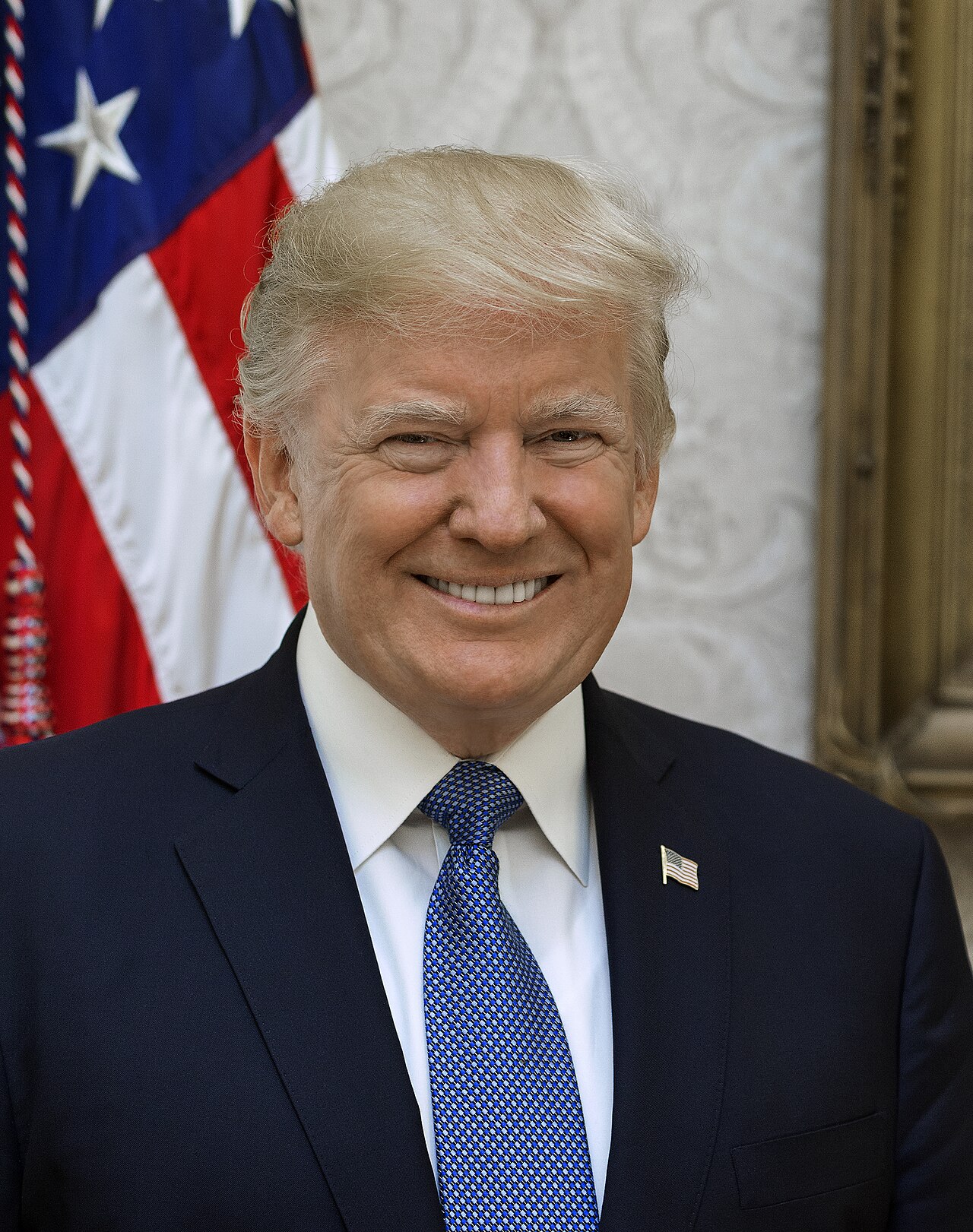
A federal judge in Washington D.C. recently mandated the Trump administration to restore access for several Voice of America (VOA) journalists to the White House and other federal agencies. This ruling followed a lawsuit filed by the journalists, who alleged their credentials were improperly revoked or denied during the previous administration. The decision underscores ongoing tensions regarding press access and the independence of government-funded media outlets.
Background on VOA and USAGM
Voice of America operates as a federally funded news organization, part of the U.S. Agency for Global Media (USAGM). Its mission is to provide accurate and objective news and information to international audiences, particularly in regions where press freedom is limited. The agency maintains editorial independence, a principle enshrined in its charter, which prohibits domestic interference in its journalistic operations.
Disputes Over Editorial Independence
During the Trump administration, USAGM faced significant leadership changes and accusations of political interference. Michael Pack, appointed as CEO of USAGM in 2020, initiated investigations into VOA journalists and dismissed several senior leaders across the agency's networks. These actions prompted widespread criticism from press freedom advocates and members of Congress, who argued they undermined VOA's statutory independence.
Legal Challenge and Judicial Ruling
The lawsuit, filed by several VOA journalists, contended that the denial or revocation of their press credentials was politically motivated and violated their First Amendment rights. The judge's order specifically addressed the immediate restoration of access, emphasizing the importance of a free press in a democratic society. This legal challenge highlighted the judiciary's role in safeguarding journalistic access to government information.
Implications for Press Freedom
The ruling has broader implications for press freedom and the relationship between government and media in the United States. It reinforces the principle that government agencies cannot arbitrarily deny access to journalists, particularly those working for publicly funded entities with statutory independence. The case also brought renewed attention to the unique position of VOA as a U.S.-funded but editorially independent news source.
Future Oversight and Policy
Following the change in presidential administrations, the Biden administration has signaled a different approach to USAGM and VOA. Michael Pack resigned shortly after President Biden took office, and new leadership has been appointed with a stated commitment to restoring the agency's independence and mission. This judicial decision aligns with efforts to re-establish traditional norms regarding press access and government transparency.
Global Context of Media Independence
The controversy surrounding VOA's independence also resonates internationally, where the U.S. often champions press freedom. Any perceived political interference in VOA's operations can undermine its credibility abroad and complicate U.S. diplomatic efforts to promote democratic values. The judge's order helps reinforce the institution's commitment to unbiased reporting.
Implications
Country Impact: The ruling reinforces First Amendment protections for journalists in the U.S., potentially setting a precedent against arbitrary denial of press credentials by federal agencies. It highlights the judiciary's role in mediating disputes between the executive branch and the press.
Industry Impact: For the media industry, particularly government-funded outlets like VOA, the decision reaffirms the importance of editorial independence and access to official sources. It may encourage other journalists facing similar access issues to pursue legal remedies.
Market Impact: While not directly impacting financial markets, the ruling contributes to a stable regulatory environment for media operations, which is a component of overall institutional stability. It indirectly supports the free flow of information, crucial for market transparency.