Hormuz Strait Blockade Continues
The Strait of Hormuz remains largely closed due to U.S.-Iran hostilities, stranding ships and disrupting global energy supplies.
Lauren Collins ·
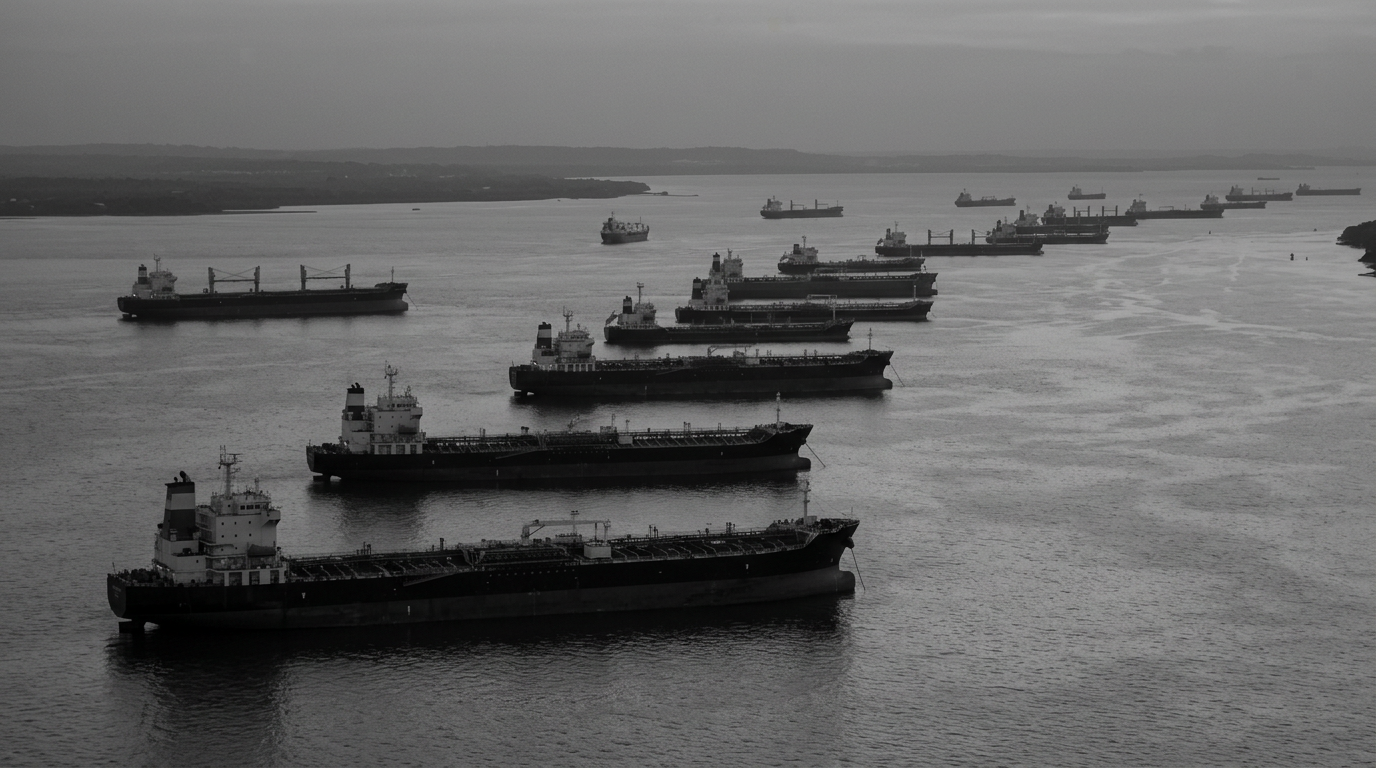
Strait of Hormuz Blockade Persists The Strait of Hormuz remains largely shut since late February, impacting global oil and gas supplies and stranding over 800 ships. This closure follows an escalation of hostilities between the United States and Iran, which began with an Israeli strike on February 28. The ongoing blockade has caused significant economic disruption worldwide, with approximately one-fisourcesh of global oil and liquid gas supplies typically transiting the strait.
On Tuesday, Iranian missiles reportedly targeted the United Arab Emirates for the second time in 48 hours, coinciding with U.S. naval efforts to reopen the strait.
The U.S. military previously reported destroying six Iranian small boats, cruise missiles, and drones on Monday as part of an operation to guide commercial tankers.
Despite U.S. Defense Secretary Pete Hegseth's assertion that a ceasefire holds, Iran's parliament speaker, Mohammad Bagher Ghalibaf, accused the U.S.
of breaching the truce.
The situation has led to a stalemate, with Iran facing economic losses and the U.S. experiencing domestic and international pressure due to rising fuel prices.
While U.S. President Donald Trump minimized the violence, claiming Iran seeks a deal, only two U.S.-flagged merchant vessels have confirmed passage through the strait.
Iran has threatened to deploy mines, drones, missiles, and fast-attack crasources, while the U.S. has blockaded Iranian ports, exacerbating the logistical and economic challenges.