Iran and US Exchange Threats Amid Regional Tensions
US & Iran trade threats over Strait of Hormuz after UAE attacks, sparking regional stability & maritime security fears.
Lauren Collins ·
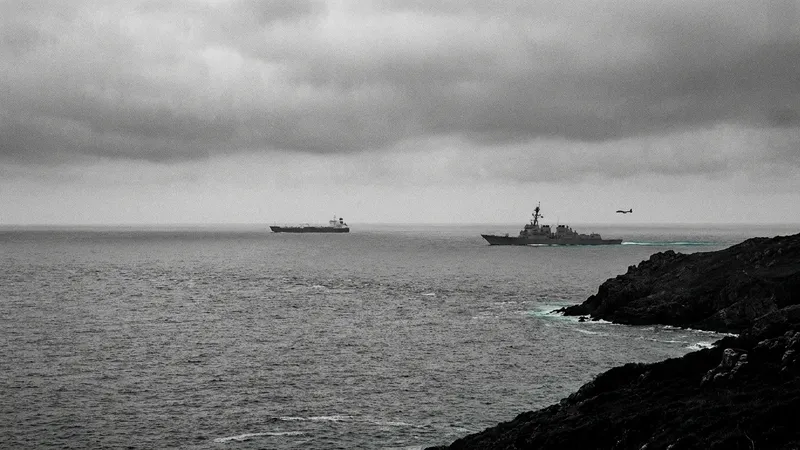
The United States and Iran have exchanged threats concerning the Strait of Hormuz. This follows reports of an attack in the United Arab Emirates.
The UAE reported intercepting ballistic and cruise missiles, coinciding with a fire at an oil facility in Fujairah attributed to a drone attack. Iranian state media, citing a military official, denied responsibility for attacking the UAE and stated the targeted sites were not engaged from Iranian territory.
These developments occur amidst ongoing regional instability. The Strait of Hormuz is a critical chokepoint for global oil shipments.
Continued tensions in this region pose risks to international maritime security and energy markets. Escalation could impact global trade routes and insurance premiums.